Thank you for contacting
GetTaxReliefNow.com!
or wage garnishment — call us now at +(888) 260 9441 for immediate help.



Treasury Expands Low-Income Taxpayer Clinic Funding
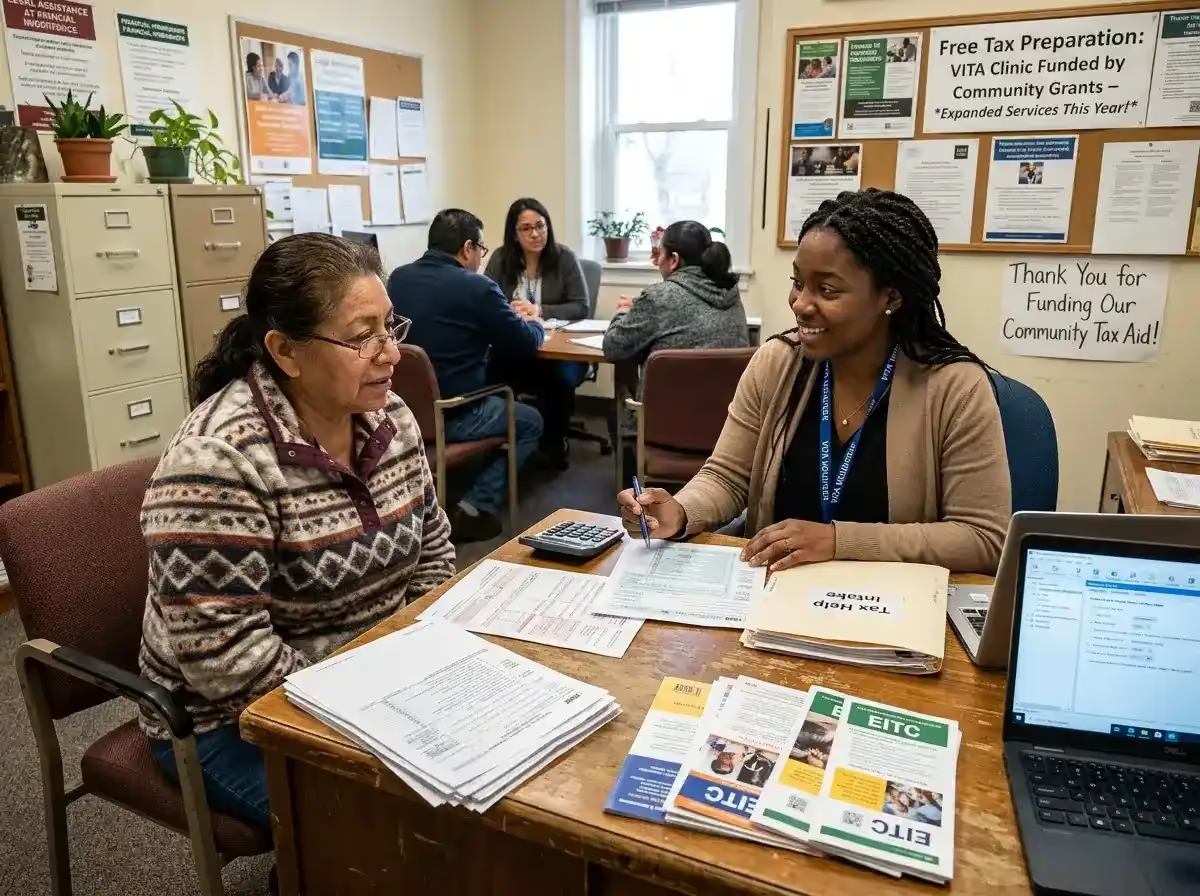
The U.S. Department of the Treasury is directing additional funding toward the Low Income Taxpayer Clinic network to expand services for Hispanic communities and Spanish-speaking taxpayers. Officials say the investment will strengthen multilingual assistance and provide greater access to representation for individuals facing tax disputes within the federal tax system.
Federal Grants Expand Network of Taxpayer Clinics
Federal funding is being distributed through the Low Income Taxpayer Clinic grant program to strengthen clinics that help individuals resolve tax disputes with the Internal Revenue Service. The program, administered through the Taxpayer Advocate Service, supports qualified low-income taxpayer clinics that provide representation and taxpayer education for people who cannot afford professional legal assistance.
According to the Internal Revenue Service, more than $22.5 million in matching grants have been awarded for the 2026 grant year to roughly 145 clinics nationwide. The funding allows organizations to expand staffing, improve outreach, and increase services that assist taxpayers dealing with tax collection matters, audits, and appeals.
Many of the clinics operate within nonprofit legal aid groups, law schools, and community organizations that work to protect taxpayer rights and ensure fairness within the tax system.
Clinics Provide Help With Tax Disputes and Collection Matters
Low-income taxpayer clinics focus on resolving taxpayer disputes involving audits, tax collection problems, and other enforcement actions. Their work often begins when individuals receive notices from the Internal Revenue Service regarding unpaid liabilities, incorrect filings, or potential identity theft issues.
Clinics may help taxpayers respond to collection action, negotiate payment arrangements, or challenge an assessment through administrative appeals. Assistance may also include guidance on credits, such as the earned income tax credit, which frequently arises in disputes over documentation or eligibility.
Representation May Extend to Court Proceedings
In some cases, disputes escalate beyond administrative review and enter formal court proceedings. When eligible clients need additional representation, clinics may assist taxpayers appearing before the United States Tax Court during Tax Court Calendar Calls.
Attorneys and clinic advocates often follow Tax Court Clinic Guidelines when preparing taxpayers for hearings or negotiating settlements. The legal system may hear cases in Federal District Courts or ultimately lead them to the U.S. Court of Appeals. However, most disputes are resolved before reaching those stages.
The goal of representation is to ensure taxpayers understand their rights and have a fair opportunity to present their case.
Multilingual Outreach Targets Hispanic Communities
New funding is also intended to strengthen multilingual outreach in areas where Spanish-language services are essential. Expanding bilingual programs helps taxpayers understand official notices, deadlines, and available options when responding to tax collection matters or appeals.
Clinics often work with community organizations to deliver educational programs that explain taxpayer rights and responsibilities. Many also collaborate with advocacy groups such as the Center for Taxpayer Rights to promote access to assistance for underserved communities.
Language Access Can Prevent Escalating Tax Problems
Language barriers can complicate interactions with the federal tax system, particularly when taxpayers must respond quickly to notices involving collection action or potential identity theft. Spanish-language assistance helps taxpayers understand how to respond to IRS letters and avoid penalties associated with unresolved tax collection issues.
Community-based programs frequently serve immigrant households and mixed-status families that may be unfamiliar with U.S. tax administration. In some cases, taxpayers may also seek help after discovering identity theft or fraudulent filings linked to their identity.
Providing multilingual support helps ensure individuals understand how to verify information, correct errors, and protect their records within the tax system.
Eligibility Rules Focus on Low-Income Taxpayers
Low-income taxpayer clinics typically assist individuals whose income falls below the program's established thresholds. In general, taxpayers must earn less than 250 percent of the federal poverty guidelines and face disputes involving relatively modest tax liabilities.
These limits help clinics focus on taxpayers who may otherwise struggle to access representation in tax disputes or collection matters.
Common Issues Clinics Help Resolve
Many cases involve disagreements with the Internal Revenue Service over reported income, eligibility for the earned income tax credit, or classification of workers in business filings. Worker misclassification disputes are one example of how clinics may help taxpayers understand their federal tax obligations and correct filing errors.
Clinics may also provide guidance when taxpayers receive notices related to identity theft or ID theft involving fraudulent returns filed under stolen Social Security numbers. These cases can require coordination with federal authorities and careful documentation.
In addition, clinics often assist taxpayers navigating complex rules contained in the Internal Revenue Manual, the agency’s internal procedural guide for handling enforcement and administrative actions.
Clinics Operate Through a Nationwide Assistance Network
The Low Income Taxpayer Clinic program operates through a network of organizations across the United States. Some programs are connected to university law schools, including clinics such as the Philip C. Cook Low-Income Taxpayer Clinic, which provide representation while training law students in taxpayer advocacy.
Other clinics operate through nonprofit organizations that collaborate with state agencies, including offices like the Oregon Department of Revenue or the MN Department of Revenue, when disputes involve both federal and state tax obligations.
Taxpayers may also receive referrals from local Taxpayer Assistance Offices, where IRS staff direct individuals to nearby clinics that can handle tax disputes or tax collection matters.
Finding Help Through the Clinic Locator
Taxpayers who need help can find nearby programs using the Taxpayer Advocate Service's clinic locator. The directory lists participating organizations, service areas, and languages offered, allowing individuals to identify clinics that provide bilingual assistance.
Before contacting a clinic, taxpayers are usually advised to gather IRS notices, tax returns, and supporting documents related to their case. Preparing a brief timeline of the issue can also help clinics determine whether they can assist with a specific dispute.
With expanded funding and broader outreach, officials say the Low Income Taxpayer Clinic program remains a key resource for individuals seeking help navigating tax disputes and protecting their taxpayer rights within the federal tax system.
Sources
- Taxpayer Advocate Service Announces 2026 Funding for Low-Income Taxpayer Clinic Grant Recipients
- Low Income Taxpayer Clinics — Internal Revenue Service
- Low Income Taxpayer Clinic Grant Program Application Notice
By William Mc Lee, Editor-in-Chief & Tax Expert—Get Tax Relief Now
If you need help with a tax issue discussed in this article, you can reach a licensed tax professional at Get Tax Relief Now at (888) 260-9441 or visit our contact page.
Thank you for submitting!
Start My Confidential, No-Judgment Case Review
Ready to stop penalties and garnishments? Complete the form or call/email us directly—our experts are standing by to assist.

Have a question?
+ (888) 260 9441
Write email
info@gettaxreliefnow.com
Address