Gracias por contactar
Obtenga TaxReliefNow.com!
o embargo de salario: llámenos ahora al + (88) 260 941 para obtener ayuda inmediata.



Más apoyo legal para contribuyentes de bajos ingresos
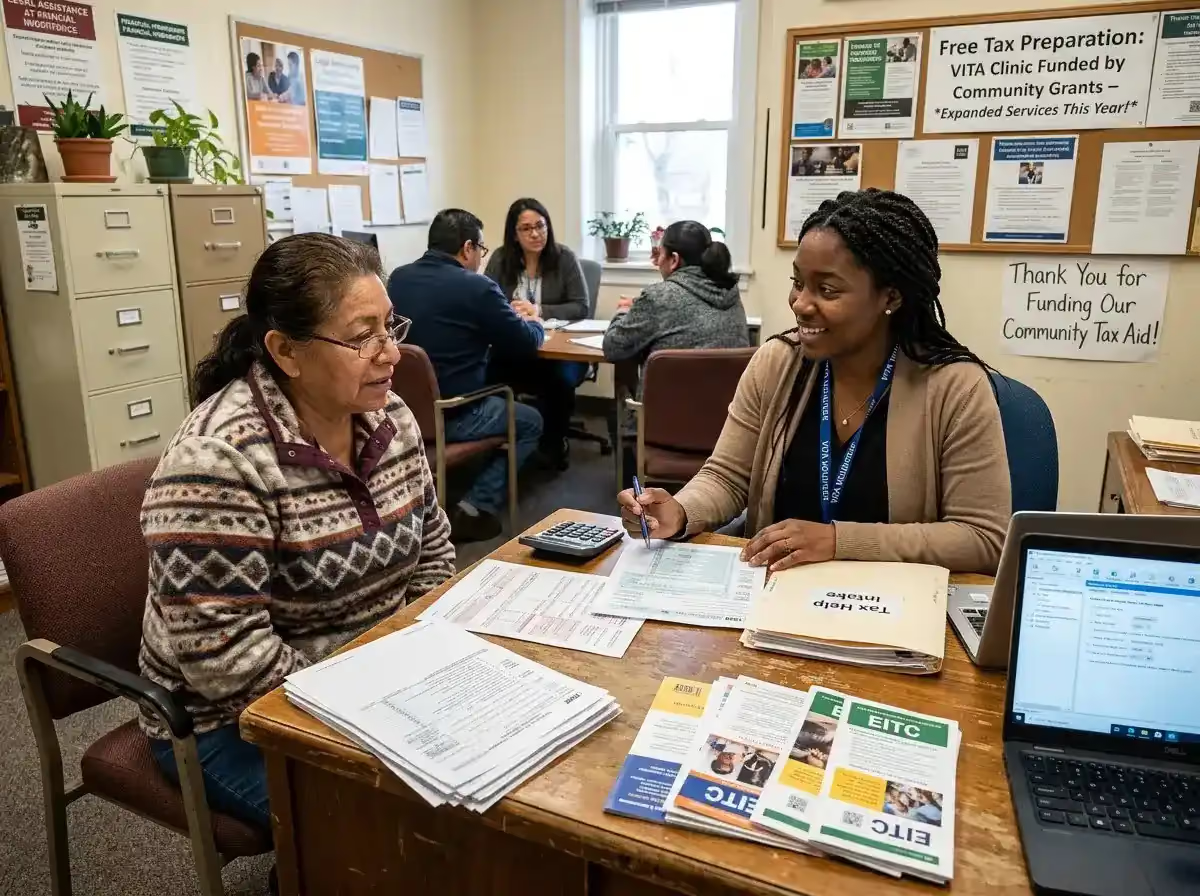
El Departamento del Tesoro de los Estados Unidos está destinando fondos adicionales a la red de clínicas para contribuyentes de bajos ingresos a fin de ampliar los servicios para las comunidades hispanas y los contribuyentes de habla hispana. Las autoridades dicen que la inversión fortalecerá la asistencia multilingüe y brindará un mayor acceso a la representación para las personas que enfrentan disputas tributarias dentro del sistema tributario federal.
Las subvenciones federales amplían la red de clínicas para contribuyentes
Los fondos federales se distribuyen a través del programa de subvenciones para clínicas para contribuyentes de bajos ingresos para fortalecer las clínicas que ayudan a las personas a resolver disputas tributarias con el Servicio de Impuestos Internos. El programa, administrado a través del Servicio del Defensor del Contribuyente, apoya a las clínicas calificadas para contribuyentes de bajos ingresos que brindan representación y educación sobre los contribuyentes a personas que no pueden pagar una asistencia legal profesional.
Según el Servicio de Impuestos Internos, se han otorgado más de 22,5 millones de dólares en subvenciones de contrapartida para el año de subvenciones 2026 a aproximadamente 145 clínicas de todo el país. La financiación permite a las organizaciones ampliar su personal, mejorar la divulgación y aumentar los servicios que ayudan a los contribuyentes a resolver asuntos de recaudación de impuestos, auditorías y apelaciones.
Muchas de las clínicas funcionan dentro de grupos de asistencia legal sin fines de lucro, facultades de derecho y organizaciones comunitarias que trabajan para proteger los derechos de los contribuyentes y garantizar la equidad dentro del sistema tributario.
Las clínicas brindan ayuda con disputas tributarias y asuntos de recaudación
Las clínicas para contribuyentes de bajos ingresos se centran en resolver las disputas de los contribuyentes relacionadas con auditorías, problemas de recaudación de impuestos y otras medidas de cumplimiento. Su trabajo a menudo comienza cuando las personas reciben avisos del Servicio de Impuestos Internos sobre obligaciones impagas, declaraciones incorrectas o posibles problemas de robo de identidad.
Las clínicas pueden ayudar a los contribuyentes a responder a las acciones de cobro, negociar acuerdos de pago o impugnar una evaluación mediante apelaciones administrativas. La asistencia también puede incluir orientación sobre los créditos, como el crédito tributario por ingreso del trabajo, que con frecuencia surge en disputas sobre la documentación o la elegibilidad.
La representación puede extenderse a los procedimientos judiciales
En algunos casos, las disputas van más allá de la revisión administrativa y entran en procedimientos judiciales formales. Cuando los clientes que reúnen los requisitos necesitan representación adicional, las clínicas pueden ayudar a los contribuyentes a comparecer ante el Tribunal Tributario de los Estados Unidos durante las llamadas programadas por el tribunal tributario.
Los abogados y defensores de las clínicas suelen seguir las pautas clínicas del tribunal tributario cuando preparan a los contribuyentes para las audiencias o negocian acuerdos. El sistema legal puede conocer de los casos en los tribunales federales de distrito o, en última instancia, llevarlos al Tribunal de Apelaciones de los Estados Unidos. Sin embargo, la mayoría de las disputas se resuelven antes de llegar a esas etapas.
El objetivo de la representación es garantizar que los contribuyentes comprendan sus derechos y tengan una oportunidad justa de presentar su caso.
La divulgación multilingüe se dirige a las comunidades hispanas
Los nuevos fondos también están destinados a fortalecer la divulgación multilingüe en áreas donde los servicios en español son esenciales. La expansión de los programas bilingües ayuda a los contribuyentes a comprender los avisos oficiales, los plazos y las opciones disponibles para responder a asuntos o apelaciones de recaudación de impuestos.
Las clínicas suelen trabajar con organizaciones comunitarias para ofrecer programas educativos que explican los derechos y responsabilidades de los contribuyentes. Muchas también colaboran con grupos de defensa, como el Centro para los Derechos del Contribuyente, para promover el acceso a la asistencia para las comunidades marginadas.
El acceso lingüístico puede prevenir la escalada de los problemas tributarios
Las barreras lingüísticas pueden complicar las interacciones con el sistema tributario federal, especialmente cuando los contribuyentes deben responder rápidamente a las notificaciones relacionadas con una acción de recaudación o un posible robo de identidad. La asistencia en español ayuda a los contribuyentes a entender cómo responder a las cartas del IRS y a evitar las multas asociadas a problemas de recaudación de impuestos no resueltos.
Los programas comunitarios con frecuencia sirven a hogares de inmigrantes y familias de estatus mixto que tal vez no estén familiarizadas con la administración tributaria de los EE. UU. En algunos casos, los contribuyentes también pueden buscar ayuda después de descubrir el robo de identidad o las declaraciones fraudulentas relacionadas con su identidad.
La asistencia multilingüe ayuda a garantizar que las personas entiendan cómo verificar la información, corregir errores y proteger sus registros dentro del sistema tributario.
Las reglas de elegibilidad se centran en los contribuyentes de bajos ingresos
Las clínicas para contribuyentes de bajos ingresos suelen ayudar a las personas cuyos ingresos están por debajo de los umbrales establecidos en el programa. En general, los contribuyentes deben ganar menos del 250 por ciento de lo estipulado en las pautas federales de pobreza y enfrentarse a disputas relacionadas con obligaciones tributarias relativamente modestas.
Estos límites ayudan a las clínicas a centrarse en los contribuyentes que, de otro modo, podrían tener dificultades para acceder a la representación en disputas tributarias o asuntos de recaudación.
Problemas comunes que las clínicas ayudan a resolver
Muchos casos involucran desacuerdos con el Servicio de Impuestos Internos sobre los ingresos declarados, la elegibilidad para el crédito tributario por ingreso del trabajo o la clasificación de los trabajadores en las declaraciones comerciales. Las disputas sobre la clasificación errónea de los trabajadores son un ejemplo de cómo las clínicas pueden ayudar a los contribuyentes a entender sus obligaciones tributarias federales y a corregir los errores de presentación.
Las clínicas también pueden brindar orientación cuando los contribuyentes reciben avisos relacionados con el robo de identidad o identidad que involucren declaraciones fraudulentas presentadas con números de Seguro Social robados. Estos casos pueden requerir la coordinación con las autoridades federales y una documentación cuidadosa.
Además, las clínicas suelen ayudar a los contribuyentes a navegar por las complejas reglas contenidas en el Manual de Impuestos Internos, la guía de procedimientos internos de la agencia para gestionar las acciones administrativas y de cumplimiento.
Las clínicas funcionan a través de una red de asistencia nacional
El programa de clínicas para contribuyentes de bajos ingresos opera a través de una red de organizaciones en los Estados Unidos. Algunos programas están relacionados con las facultades de derecho de las universidades, incluidas clínicas como la Clínica Philip C. Cook para contribuyentes de bajos ingresos, que brindan representación y capacitan a los estudiantes de derecho en la defensa de los contribuyentes.
Otras clínicas funcionan a través de organizaciones sin fines de lucro que colaboran con agencias estatales, incluidas oficinas como el Departamento de Ingresos de Oregón o el Departamento de Ingresos de Minnesota, cuando las disputas involucran obligaciones tributarias federales y estatales.
Los contribuyentes también pueden recibir referencias de las oficinas locales de asistencia al contribuyente, donde el personal del IRS dirige a las personas a clínicas cercanas que pueden manejar disputas tributarias o asuntos de recaudación de impuestos.
Cómo encontrar ayuda a través del localizador de clínicas
Los contribuyentes que necesitan ayuda pueden encontrar programas cercanos utilizando el localizador de clínicas del Servicio del Defensor del Contribuyente. El directorio enumera las organizaciones participantes, las áreas de servicio y los idiomas que se ofrecen, lo que permite a las personas identificar las clínicas que brindan asistencia bilingüe.
Antes de contactar a una clínica, generalmente se recomienda a los contribuyentes que recopilen los avisos, las declaraciones de impuestos y los documentos de respaldo del IRS relacionados con su caso. Preparar un breve cronograma sobre el problema también puede ayudar a las clínicas a determinar si pueden ayudar con una disputa específica.
Con una mayor financiación y un alcance más amplio, las autoridades afirman que el programa de clínicas para contribuyentes de bajos ingresos sigue siendo un recurso clave para las personas que buscan ayuda para resolver las disputas tributarias y proteger sus derechos como contribuyentes dentro del sistema tributario federal.
Fuentes
- El Servicio de Defensa del Contribuyente anuncia la financiación de 2026 para los beneficiarios de subvenciones clínicas para contribuyentes de bajos ingresos
- Clínicas para contribuyentes de bajos ingresos — Internal Revenue Service
- Aviso de solicitud del programa de subvenciones para clínicas para contribuyentes de bajos ingresos
Por William McLee, editor en jefe y experto en impuestos: obtenga una desgravación fiscal ahora
Si necesita ayuda con un problema fiscal tratado en este artículo, puede comunicarse con un profesional fiscal con licencia en Get Tax Relief Now al (888) 260-9441 o visite nuestra página de contacto.
¡Gracias por enviarnos!
Iniciar mi revisión de caso confidencial y sin prejuicios
¿Listo para detener las multas y embargos? Complete el formulario o llámenos/envíenos un correo electrónico directamente; nuestros expertos están listos para ayudarle.

¿Tiene alguna pregunta?
+ (888) 260 9441
Escribir correo electrónico
info@gettaxreliefnow.com
Dirección