Thank you for contacting
GetTaxReliefNow.com!
or wage garnishment — call us now at +(888) 260 9441 for immediate help.



Tax-Related Text Message Fraud Surges Nationwide
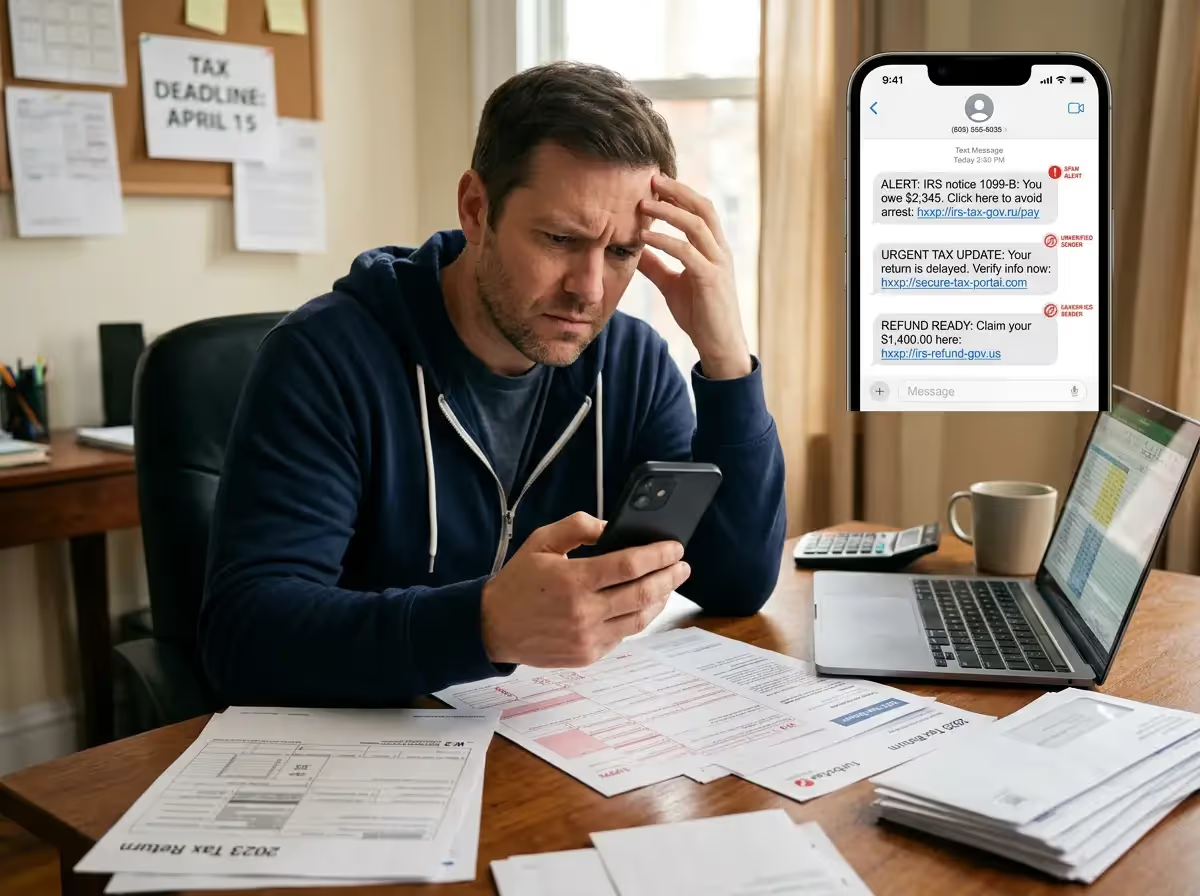
A wave of phishing text messages posing as official tax notices is sweeping across the United States, prompting urgent warnings from regulators. The Federal Trade Commission reports sharp increases in losses tied to tax scams, as criminals exploit tax season anxiety to steal personal information and financial data.
Federal Data Show Sharp Rise in Text-Based Tax Scams
New figures from the Federal Trade Commission point to a growing surge in tax-related text message fraud, with consumers losing billions to scams in 2024 alone. Officials say phishing scams—particularly those delivered through SMS—have become a dominant channel for tax fraud, often mimicking legitimate government websites and payment systems.
These phishing text messages typically claim that taxpayers are owed tax refunds or must resolve an issue tied to their Social Security number. Victims are directed to a scam site that asks them to enter sensitive details, such as bank account numbers, payment information, or identity verification credentials. Once submitted, this data can be used for identity theft or unauthorized financial transactions.
Authorities note that the scale of these attacks reflects broader concerns about data breaches and weak online security practices, which scammers exploit through social engineering.
Messages Exploit Tax Season Pressure and Refund Anxiety
Fraudsters are increasingly timing their campaigns to coincide with tax season, when millions of Americans file returns and await tax refunds. Messages often promise unexpected refunds, stimulus payments, or unclaimed refund balances, encouraging recipients to act quickly.
In many cases, scammers reference legitimate tax documents, such as Forms W-2 or 1099-NEC, to appear credible. Others claim discrepancies in filings, such as Schedule H or Form 7202, and urge taxpayers to “verify” details via a bogus link. Officials assert that these tactics aim to instill a sense of urgency and circumvent skepticism.
A growing number of cases also involve spoofed number technology, allowing criminals to disguise messages as coming from official tax department contacts or government agencies.
Government Agencies Warn of Impersonation Tactics
Officials from the Treasury Inspector General for Tax Administration and the Federal Trade Commission emphasize that government agencies do not initiate contact through unsolicited text messages or phishing emails requesting personal data.
“Any message requesting your Social Security number or directing you to provide payment information through a link should be treated as suspicious,” regulators said in recent consumer alerts.
Authorities also warn about related schemes, including fake IRS bills, scam email campaigns, and phishing emails targeting tax professionals. These attacks may attempt to access tax transcripts, manipulate direct deposit details, or file a fake return in a victim’s name.
The IRS Security Summit, a coalition of federal and state agencies, has identified identity theft linked to tax fraud as one of the fastest-growing risks facing taxpayers and preparers alike.
Identity Theft Risks Extend Beyond Immediate Losses
Experts say the financial damage from tax scams often goes beyond initial losses. Once criminals obtain personal information, such as a Social Security number or bank account data, they may file fraudulent returns, redirect tax refunds, or open credit accounts in a victim’s name.
The Internet Crime Complaint Center has received a growing number of reports of such cases, many tied to phishing scams that begin with a simple text message. Victims may also face legal complications, including delayed filings, rejected returns, or even potential legal charges if fraudulent activity is linked to their identity.
Tax professionals warn that small businesses are especially vulnerable, particularly when scammers target payroll data or forms like Form W-2. In some cases, attackers pose as clients or customer service representatives to gain access to tax software systems.
Fraudsters Expand Tactics Across Digital Channels
While text-based scams are increasing, officials say criminals are also using scam email campaigns, delivery notification scam messages, and fake charities to widen their reach. Some messages claim connections to unrelated events, such as the World Cup or consumer promotions, to lure victims into clicking on malicious links.
Scammers frequently direct victims to fraudulent portals designed to resemble official government websites. These pages may offer payment options such as online credit card payments, pre-paid debit cards, or third-party online bill payment companies—methods that are difficult to trace once funds are transferred.
Authorities caution that legitimate IRS payment systems, such as the Web Pay service, do not operate through unsolicited links or text messages.
Officials Urge Stronger Security Measures and Awareness
Regulators are urging taxpayers to adopt stronger security measures, including enabling account alerts, monitoring financial activity, and securing online accounts. Enrolling in an identity protection PIN can provide an additional layer of defense against unauthorized filings.
Experts recommend verifying any tax-related communication directly through official government websites rather than clicking links in unsolicited messages. Taxpayers who receive suspicious communications should file a scam report with the Federal Trade Commission or the Treasury Inspector General for Tax Administration.
Officials also stress the importance of working with a qualified tax professional and maintaining updated records, including tax transcripts and filing confirmations.
Authorities Call for Vigilance as Fraud Cases Rise
With tax fraud cases continuing to climb, agencies are increasing fraud detection efforts and expanding public awareness campaigns through consumer alerts and updates to official scam pages. Law enforcement is also reviewing legal regulations to address emerging threats tied to digital scams.
Experts say the most effective defense remains simple awareness. Recognizing warning signs—such as a spoofed number, urgent payment demands, or requests for personal data—can help taxpayers avoid falling victim to schemes that continue to evolve.
Source Links
- Federal Trade Commission – Top Text Scams of 2024
- Federal Trade Commission – Fraud Losses Report 2024
- IRS – Dirty Dozen Tax Scams for 2026
By William Mc Lee, Editor-in-Chief & Tax Expert—Get Tax Relief Now
If you need help with a tax issue discussed in this article, you can reach a licensed tax professional at Get Tax Relief Now at (888) 260-9441 or visit our contact page.
Thank you for submitting!
Start My Confidential, No-Judgment Case Review
Ready to stop penalties and garnishments? Complete the form or call/email us directly—our experts are standing by to assist.

Have a question?
+ (888) 260 9441
Write email
info@gettaxreliefnow.com
Address