Thank you for contacting
GetTaxReliefNow.com!
or wage garnishment — call us now at +(888) 260 9441 for immediate help.



Notario Fraud in Texas Prompts Wider Crackdown
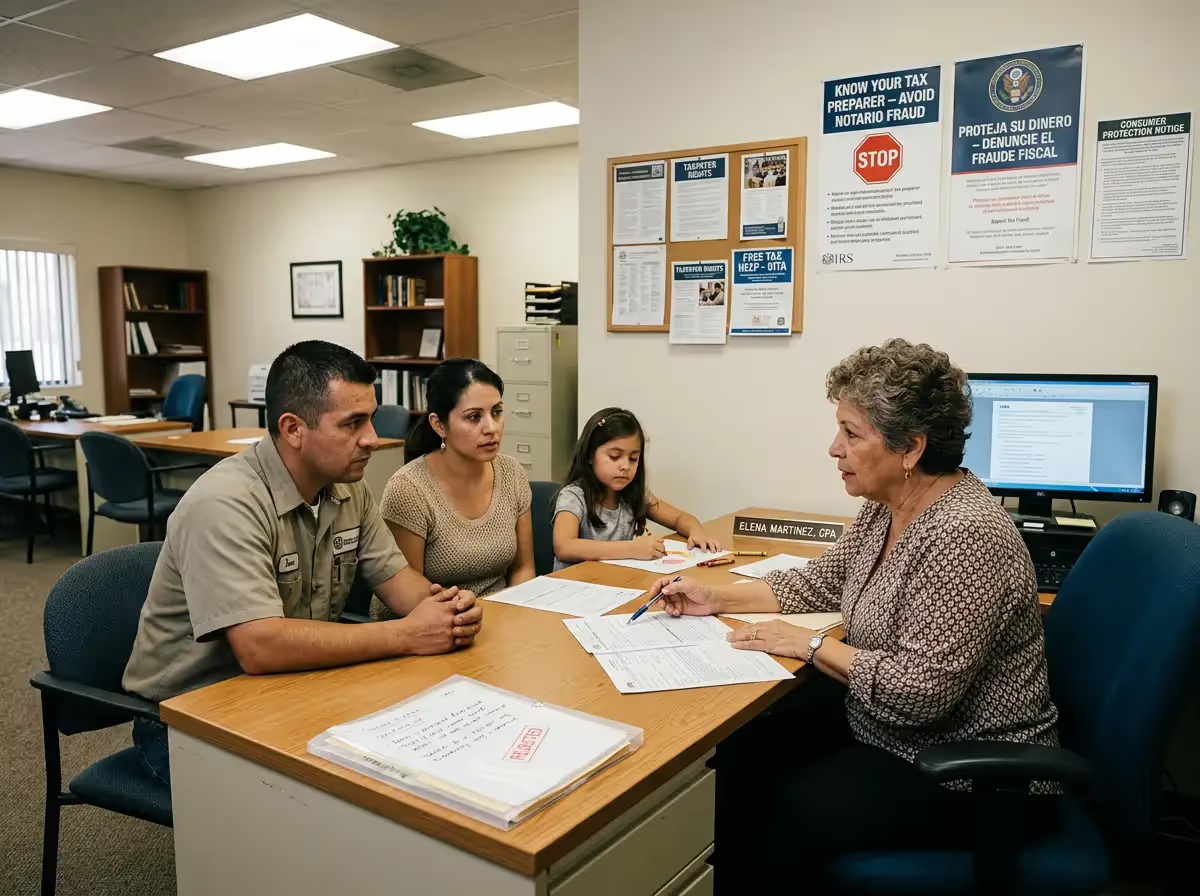
Texas authorities are widening their investigation into notario fraud in Texas, targeting unlicensed operators who pose as legal professionals to exploit immigrant communities. State and federal agencies say the schemes often involve fraudulent notarization services, false legal claims, and improper handling of immigration applications, putting victims at risk of financial loss and legal harm.
State and Federal Agencies Expand Enforcement Efforts
Across the United States, regulators are intensifying efforts to combat notary fraud linked to notario públicos who falsely present themselves as qualified legal professionals. The attorney general's office in Texas has filed cases seeking civil damages against individuals accused of offering unauthorized legal services tied to immigration law.
In South Texas, including El Paso, investigators say some operators used stolen or forged notary credentials to mislead clients seeking legal assistance. These cases often involve fraudulent contracts, document fraud, and improper filing of immigration applications that can expose individuals to criminal charges.
The Texas Secretary of State and the Office of the Texas Secretary of State oversee Texas Notaries Public and maintain records used to verify a notary public’s commission number and notary name. Meanwhile, the Supreme Court of Texas Unauthorized Practice of Law Committee works alongside the Department of Justice and the Federal Trade Commission to address violations involving fraudulent notarization services.
Prosecutors Point to Evidence of Systematic Abuse
Authorities report that many investigations involve detailed reviews of recorded document trails, handwriting evidence, and failures in identity verification during the notarization process. In some cases, a special United States attorney and local prosecutors have worked with the County Attorney’s Office to pursue criminal violations tied to fraudulent recordings.
Legal groups, including the American Bar Association and the Commission on Immigration, warn that these schemes can undermine the immigration process and leave victims facing permanent legal consequences. Filing inaccurate or fabricated immigration applications can jeopardize eligibility for immigration relief and result in disciplinary action.
Cultural Gap Continues to Drive Confusion
A key factor behind notario fraud in Texas is the difference between the role of a notario público in Latin American countries and that of a notary public in the United States. In many countries, notarios públicos perform legal functions similar to those of an immigration lawyer or legal counsel, handling complex legal services and official documentation.
In contrast, Texas notaries public are limited to verifying identity, witnessing signatures, and ensuring proper execution of the signing process for a notarized document. They are not authorized to provide legal referrals, legal assistance, or advice on immigration law.
Misleading Services Target Immigrant Communities
Fraudulent operators often advertise services in Spanish, offering immigration services or promising quick approvals for immigration applications. Advocates say these claims frequently mislead immigrant communities seeking affordable alternatives to a private attorney.
Some individuals collect filing fees but never file documents, while others submit incorrect supporting documents that can damage a person’s immigration record. The Federal Trade Commission has warned that such suspicious activity can lead to long-term consequences, including denial of benefits or removal proceedings.
Lawmakers Consider New Safeguards and Oversight
Lawmakers in the U.S. House Judiciary Committee, including Congresswoman Escobar and Jerrold Nadler, have raised concerns about the rise in notary fraud cases. Proposals such as the Fight Notario Fraud Act aim to strengthen notarial law enforcement and improve oversight of notary services.
Federal agencies, including the Department of Justice and the United States Postal Inspection Service, are also working with government entities to detect fraudulent recordings and prevent identity theft linked to notarized documents.
Technology Tools Aim to Detect Fraud Early
Officials are exploring new tools, such as a notary fraud alert system, to serve as an early warning for consumers. By allowing individuals to sign up for alerts tied to their identity or recorded document activity, regulators hope to reduce the risk of document fraud and mortgage foreclosure scams.
Remote Online Notarization has expanded access to notary services. Still, authorities stress the importance of verifying government-issued identification, such as a driver’s license, and confirming identity verification procedures during the signing process.
Officials Urge Verification Before Using Notary Services
Authorities say the most effective way to avoid notario fraud is to verify credentials before trusting any provider offering legal services. Individuals should use official notary public search tools to confirm a notary’s information, including their commission number and licensing status.
Experts also recommend using USCIS online resources to track filings using a receipt number and ensure that all immigration applications are properly submitted. Keeping copies of supporting documents and confirming that a filing fee has been properly processed can help prevent disputes.
Legal professionals stress that only a licensed immigration lawyer or qualified legal professional can provide legal counsel or represent individuals in immigration matters. Those who suspect fraudulent notarization services should report the issue to the attorney general's office or the Federal Trade Commission.
Sources
The following official enforcement releases and federal case records document legal actions against fraudulent notario operations and tax preparer misconduct affecting immigrant communities and taxpayers in the United States.
- Texas AG Obtains TRO to Stop Unauthorized Legal Service Operation in El Paso
- Four Tax Preparers Sentenced to 105 Months in Federal Prison for Filing False Returns
These sources reflect current enforcement actions and provide additional context on how authorities are addressing notario fraud and related financial crimes. They also outline the legal standards and penalties associated with unauthorized legal services and fraudulent tax practices.
By William Mc Lee, Editor-in-Chief & Tax Expert—Get Tax Relief Now
If you need help with a tax issue discussed in this article, you can reach a licensed tax professional at Get Tax Relief Now at (888) 260-9441 or visit our contact page.
Thank you for submitting!
Start My Confidential, No-Judgment Case Review
Ready to stop penalties and garnishments? Complete the form or call/email us directly—our experts are standing by to assist.

Have a question?
+ (888) 260 9441
Write email
info@gettaxreliefnow.com
Address