Gracias por contactar
Obtenga TaxReliefNow.com!
o embargo de salario: llámenos ahora al + (88) 260 941 para obtener ayuda inmediata.



Fraude notarial en Texas: alerta y acciones
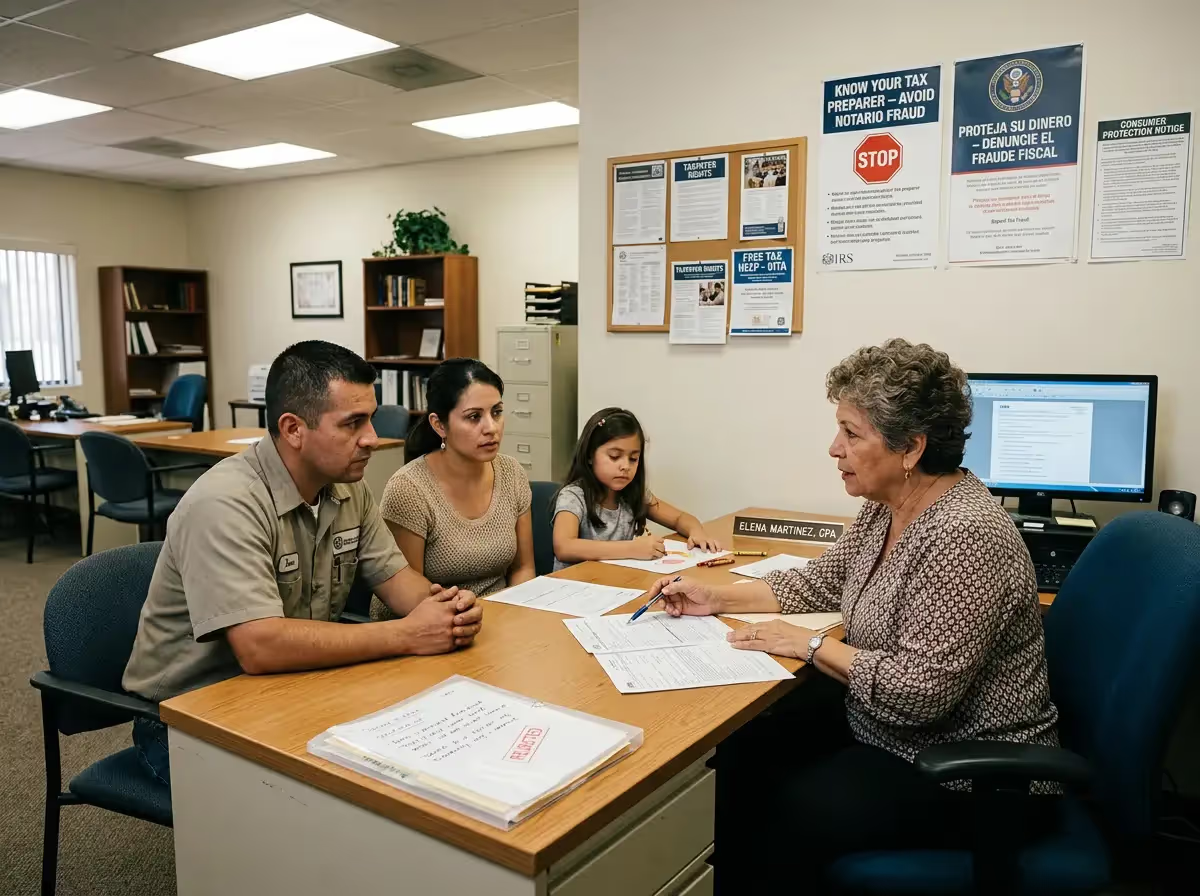
Las autoridades de Texas están ampliando su investigación sobre el fraude notarial en Texas, centrándose en los operadores sin licencia que se hacen pasar por profesionales legales para explotar a las comunidades de inmigrantes. Las agencias estatales y federales afirman que los esquemas suelen incluir servicios de notarización fraudulentos, reclamaciones legales falsas y una tramitación inadecuada de las solicitudes de inmigración, lo que pone a las víctimas en riesgo de sufrir pérdidas financieras y daños legales.
Las agencias estatales y federales amplían los esfuerzos de cumplimiento
En todo Estados Unidos, los reguladores están intensificando sus esfuerzos para combatir el fraude notarial vinculado a notarios públicos que se presentan falsamente como profesionales legales calificados. La oficina del fiscal general de Texas ha presentado demandas por daños civiles contra personas acusadas de ofrecer servicios legales no autorizados relacionados con la ley de inmigración.
En el sur de Texas, incluido El Paso, los investigadores afirman que algunos operadores usaron credenciales notariales robadas o falsificadas para engañar a los clientes que buscaban asistencia legal. Estos casos suelen implicar contratos fraudulentos, fraude de documentos y presentación indebida de solicitudes de inmigración, lo que puede exponer a las personas a cargos penales.
La Secretaría de Estado de Texas y la Oficina del Secretario de Estado de Texas supervisan a los notarios públicos de Texas y mantienen los registros utilizados para verificar el número de comisión y el nombre del notario público. Mientras tanto, el Comité de Ejercicio No Autorizado de la Abogacía de la Corte Suprema de Texas colabora con el Departamento de Justicia y la Comisión Federal de Comercio para abordar las infracciones relacionadas con los servicios de notarización fraudulentos.
Los fiscales señalan pruebas de abuso sistemático
Las autoridades informan que muchas investigaciones implican revisiones detalladas de los registros de documentos registrados, las pruebas escritas a mano y las fallas en la verificación de identidad durante el proceso de certificación notarial. En algunos casos, un fiscal especial de los Estados Unidos y fiscales locales han colaborado con la Oficina del Fiscal del Condado para perseguir las infracciones penales relacionadas con grabaciones fraudulentas.
Los grupos legales, incluidos el Colegio de Abogados de los Estados Unidos y la Comisión de Inmigración, advierten que estos esquemas pueden socavar el proceso de inmigración y hacer que las víctimas se enfrenten a consecuencias legales permanentes. La presentación de solicitudes de inmigración inexactas o falsas puede poner en peligro la elegibilidad para recibir ayuda migratoria y resultar en medidas disciplinarias.
La brecha cultural sigue generando confusión
Un factor clave detrás del fraude notarial en Texas es la diferencia entre el papel de un notario público en los países de América Latina y el de un notario público en los Estados Unidos. En muchos países, los notarios públicos desempeñan funciones legales similares a las de un abogado o asesor legal de inmigración, y se ocupan de servicios legales complejos y de documentación oficial.
Por el contrario, los notarios públicos de Texas se limitan a verificar la identidad, presenciar las firmas y garantizar la ejecución adecuada del proceso de firma de un documento notariado. No están autorizados a proporcionar referencias legales, asistencia legal o asesoramiento sobre la ley de inmigración.
Los servicios engañosos se dirigen a las comunidades de inmigrantes
Los operadores fraudulentos suelen anunciar sus servicios en español, ofreciendo servicios de inmigración o prometiendo aprobaciones rápidas para las solicitudes de inmigración. Los defensores dicen que estas afirmaciones con frecuencia engañan a las comunidades de inmigrantes que buscan alternativas asequibles a un abogado privado.
Algunas personas cobran tasas de presentación pero nunca presentan documentos, mientras que otras presentan documentos de respaldo incorrectos que pueden dañar el registro de inmigración de una persona. La Comisión Federal de Comercio ha advertido que esta actividad sospechosa puede tener consecuencias a largo plazo, incluida la denegación de beneficios o los procedimientos de expulsión.
Los legisladores consideran nuevas salvaguardias y supervisión
Los legisladores del Comité Judicial de la Cámara de Representantes de los Estados Unidos, incluidos los congresistas Escobar y Jerrold Nadler, han expresado su preocupación por el aumento de los casos de fraude notarial. Propuestas como la Ley de lucha contra el fraude notarial tienen como objetivo fortalecer la aplicación de la ley notarial y mejorar la supervisión de los servicios notariales.
Las agencias federales, incluidos el Departamento de Justicia y el Servicio de Inspección Postal de los Estados Unidos, también están trabajando con entidades gubernamentales para detectar grabaciones fraudulentas y prevenir el robo de identidad vinculado a documentos notariales.
Las herramientas tecnológicas tienen como objetivo detectar el fraude de manera temprana
Los funcionarios están explorando nuevas herramientas, como un sistema de alerta de fraude notarial, para que sirvan de alerta temprana a los consumidores. Al permitir que las personas se suscriban para recibir alertas relacionadas con su identidad o con la actividad documentaria registrada, los reguladores esperan reducir el riesgo de fraude documental y estafas relacionadas con las ejecuciones hipotecarias.
La notarización remota en línea ha ampliado el acceso a los servicios notariales. Sin embargo, las autoridades subrayan la importancia de verificar la identificación emitida por el gobierno, como una licencia de conducir, y de confirmar los procedimientos de verificación de identidad durante el proceso de firma.
Los funcionarios instan a la verificación antes de utilizar los servicios notariales
Las autoridades dicen que la forma más eficaz de evitar el fraude notarial es verificar las credenciales antes de confiar en cualquier proveedor que ofrezca servicios legales. Las personas deben usar las herramientas oficiales de búsqueda de notarios públicos para confirmar la información del notario, incluido su número de comisión y el estado de la licencia.
Los expertos también recomiendan usar los recursos en línea del USCIS para rastrear las solicitudes con un número de recibo y garantizar que todas las solicitudes de inmigración se envíen correctamente. Guardar copias de los documentos justificativos y confirmar que la tasa de presentación se ha procesado correctamente puede ayudar a prevenir disputas.
Los profesionales legales enfatizan que solo un abogado de inmigración con licencia o un profesional legal calificado puede brindar asesoría legal o representar a personas en asuntos de inmigración. Quienes sospechen que los servicios de notarización son fraudulentos deben denunciar el problema a la oficina del fiscal general o a la Comisión Federal de Comercio.
Fuentes
Los siguientes comunicados oficiales de ejecución y registros de casos federales documentan las acciones legales contra las operaciones fraudulentas de notarios y la mala conducta de los preparadores de impuestos que afectan a las comunidades inmigrantes y a los contribuyentes en los Estados Unidos.
- Texas AG obtiene TRO para detener la operación de servicios legales no autorizados en El Paso
- Cuatro preparadores de impuestos sentenciados a 105 meses en una prisión federal por presentar declaraciones falsas
Estas fuentes reflejan las medidas de cumplimiento actuales y proporcionan un contexto adicional sobre la forma en que las autoridades abordan el fraude notarial y los delitos financieros relacionados. También describen las normas legales y las sanciones asociadas con los servicios legales no autorizados y las prácticas tributarias fraudulentas.
Por William McLee, editor en jefe y experto en impuestos: obtenga una desgravación fiscal ahora
Si necesita ayuda con un problema fiscal tratado en este artículo, puede comunicarse con un profesional fiscal con licencia en Get Tax Relief Now al (888) 260-9441 o visite nuestra página de contacto.
¡Gracias por enviarnos!
Iniciar mi revisión de caso confidencial y sin prejuicios
¿Listo para detener las multas y embargos? Complete el formulario o llámenos/envíenos un correo electrónico directamente; nuestros expertos están listos para ayudarle.

¿Tiene alguna pregunta?
+ (888) 260 9441
Escribir correo electrónico
info@gettaxreliefnow.com
Dirección