


Planes de pago del IRS en mora | Ayuda inmediata
Ayudamos con los planes de pago de impuestos revisando el historial de pagos, preparando una declaración de información de cobro mediante el formulario 433 o el formulario 433-F y evaluando las opciones de pago. Actuando en virtud de un poder notarial, nos esforzamos por restablecer los acuerdos de pago a plazos, solicitar una oferta de compromiso o que actualmente no sea cobrable y reducir las acciones de cobro.

Qué hace este servicio
Cuando un acuerdo de pago a plazos del IRS no cumple, el problema no es simplemente ponerse al día con un pago atrasado. Se trata de restablecer su estado de protección y evitar una escalada. Diseñamos nuestro servicio de planes de pago incumplidos del IRS para abordar simultáneamente los riesgos de cumplimiento y cumplimiento.
Intervenimos como su representante autorizado
Una vez que nos contrate, prepararemos y presentaremos el formulario 2848 del IRS, un poder notarial. El IRS explica que el formulario 2848 autoriza a un representante elegible a actuar en su nombre ante la agencia. Una vez aceptado, hablamos directamente con el IRS para que no tenga que gestionar llamadas estresantes ni interpretar avisos complejos por su cuenta. Controlamos la comunicación y garantizamos la coherencia de los mensajes.
Realizamos una revisión completa de la cuenta del IRS
Un plan de pago puede dejar de pagarse por varios motivos. Obtenemos sus transcripciones del IRS y confirmamos la causa oficial de la cancelación. Verificamos si el problema está relacionado con pagos atrasados, giros domiciliados fallidos, declaraciones no presentadas o una nueva deuda tributaria acumulada después de la entrada en vigor del acuerdo. Este análisis evita conjeturas y garantiza que corrijamos el problema real.
Abordamos las brechas de cumplimiento de manera inmediata
El IRS generalmente exige el cumplimiento total de los requisitos de presentación antes de restablecer o modificar un acuerdo. Si le faltan declaraciones o tiene saldos recién evaluados, trabajamos con usted para corregirlos. Restablecer el cumplimiento es con frecuencia la clave para reabrir las negociaciones e impedir que se amplíe el cumplimiento.
Estabilizamos el riesgo de cumplimiento
Según IRS.gov, un embargo es una incautación legal de una propiedad para satisfacer una deuda tributaria y puede incluir el embargo salarial o el retiro de fondos de cuentas bancarias. Una vez que un plan de pagos deja de pagar, la exposición a los gravámenes aumenta. Actuamos con rapidez para reducir el riesgo de que se presenten gravámenes y gravámenes, a la vez que buscamos la restitución o la adopción de medidas alternativas.
Negociamos condiciones sostenibles
Si la reincorporación es posible, la perseguimos. Si su situación financiera ha cambiado, podemos negociar condiciones de pago revisadas que reflejen su flujo de caja actual. El IRS explica que los planes de pago permiten a los contribuyentes pagar con el tiempo, pero las multas y los intereses continúan hasta que se pague el saldo en su totalidad. Nuestro objetivo es garantizar un plan que pueda mantener de manera realista para no volver a incumplir.
Lo supervisamos y lo guiamos hacia adelante
La resolución no termina con un nuevo acuerdo. Brindamos orientación continua para que cumpla con los requisitos de presentación y pago. Evitar que se repitan los incumplimientos forma parte de la protección de su estabilidad financiera a largo plazo.
Por qué esto empeora sin ayuda
Un acuerdo de pago a plazos predeterminado devuelve su caso al sistema de cobro del IRS. Retrasar la acción puede aumentar tanto el costo financiero como el riesgo de ejecución.
La actividad de cumplimiento puede reanudarse
El IRS explica que el proceso de cobro comienza después de enviar una factura y continúa hasta que la cuenta esté satisfecha o el IRS ya no pueda cobrarla legalmente. Sin un acuerdo activo, su cuenta puede continuar con ese proceso.
Los avisos aumentan con urgencia
Los avisos del IRS generalmente se vuelven más graves con el tiempo. Por ejemplo, el aviso CP504 del IRS se describe en IRS.gov como un aviso de intención de recaudar según la sección 6331 (d) del Código de Impuestos Internos. Esto significa que el IRS le advierte que si no se resuelve el saldo, es posible que se tome una medida cautelar.
Se pueden presentar gravámenes fiscales federales
El IRS explica que un gravamen fiscal federal es la demanda legal del gobierno contra su propiedad cuando usted descuida o no paga una deuda tributaria. El IRS puede presentar públicamente una notificación de gravamen fiscal federal para alertar a los acreedores. Esta presentación puede afectar las relaciones financieras, crediticias y comerciales.
Los impuestos salariales y bancarios pueden perturbar los ingresos
Según IRS.gov, un gravamen puede embargar salarios, tomar fondos de cuentas bancarias e incautar propiedades. Si el IRS impone impuestos a una cuenta bancaria, el banco generalmente retiene los fondos durante 21 días antes de enviarlos al IRS. Ese breve período de tiempo es fundamental, y esperar reduce su capacidad de responder de manera efectiva.
Las multas y los intereses siguen aumentando
IRS.gov explica que la multa por falta de pago se calcula en función del tiempo que el impuesto permanece sin pagar y puede llegar hasta el 25 por ciento del impuesto impagado. Los intereses también se acumulan a diario. La demora aumenta el saldo total adeudado.
Cómo el IRS hace cumplir esto
Comprender la autoridad de aplicación ayuda a aclarar por qué los planes de pago del IRS incumplidos requieren atención inmediata.
El proceso de recolección continúa hasta que se resuelva
El IRS establece que si no paga su factura de impuestos, el proceso de cobro continúa hasta que la cuenta esté satisfecha, o es posible que el IRS ya no cobre legalmente. Un acuerdo en incumplimiento elimina el marco estructurado que puede tener acciones de ejecución limitadas.
Aviso de intención de gravar
Antes de recaudar, el IRS generalmente envía una notificación por escrito. El aviso CP504 del IRS se describe en IRS.gov como un aviso de intención de imponer un embargo. Esta carta advierte que el IRS puede proceder con la imposición de un embargo si no se realiza el pago.

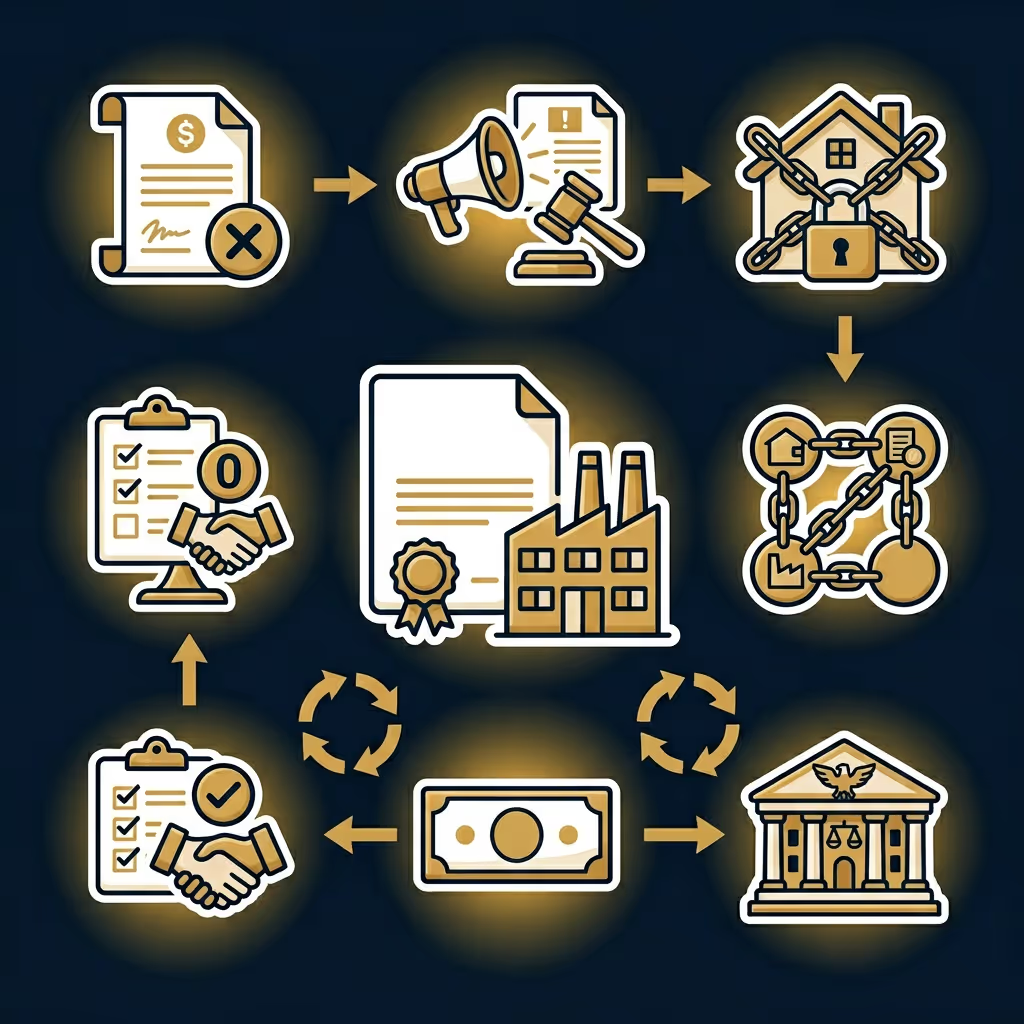
Gravámenes fiscales federales
Un gravamen tributario federal surge después de la evaluación, la notificación y la falta de pago. IRS.gov explica que el IRS puede presentar una notificación de gravamen tributario federal para alertar a los acreedores. Una vez presentado, el gravamen se aplica a su propiedad y a sus derechos sobre ella.
Embargo salarial
El IRS explica que un gravamen puede incluir un embargo salarial. Esto significa que una parte de su cheque de pago puede enviarse directamente al IRS en cada período de pago hasta que se resuelva el saldo o se tomen medidas alternativas.
Los gravámenes bancarios y el período de retención de 21 días
IRS.gov explica que cuando el IRS impone impuestos a una cuenta bancaria, el banco generalmente debe retener los fondos durante 21 días antes de enviarlos al IRS. Este período de espera da tiempo para ponerse en contacto con el IRS o solucionar los errores. Es fundamental actuar con rapidez durante este período.
Protecciones del acuerdo de pago a plazos
IRS.gov explica que cuando solicita un acuerdo de pago a plazos, con ciertas excepciones, generalmente se prohíbe al IRS recaudar mientras la solicitud esté pendiente y, por lo general, no aceptará el cobro forzoso mientras el plan esté en vigor, durante 30 días después del rechazo o la terminación, o durante una apelación. Restablecer este estatus puede reducir significativamente la presión para hacer cumplir la ley.

Para quién es este servicio
- Pagos atrasados en cuotas: Lo necesita si no hizo uno o más pagos del IRS y recibió un aviso de incumplimiento o terminación en el que se le advertía que su acuerdo podría cancelarse.
- Acuerdos de domiciliación bancaria fallidos: Lo necesita si su giro bancario automático falló debido a cambios en la cuenta, fondos insuficientes o errores bancarios que provocaron que el IRS rescindiera su contrato.
- Nueva deuda tributaria agregada a su cuenta: Lo necesita si incurrió en nuevos saldos después de que comenzó su plan de pago y el IRS incumplió su acuerdo porque ya no cumplía con los requisitos.
- Advertencias de embargo o gravamen: La necesita si recibió la Notificación CP504 u otras cartas en las que se le advertía sobre una acción recaudatoria o la presentación de un gravamen tributario federal.
- Cambios en el flujo de caja de las pequeñas empresas: Lo necesita si los ingresos de su empresa han disminuido y el importe de pago actual ya no es realista, lo que aumenta el riesgo de incumplimientos repetidos.
- Miedo a los impuestos salariales o bancarios: Necesita esta notificación si le preocupa que el IRS pueda embargar su salario o embargar su cuenta bancaria debido al incumplimiento del acuerdo.
Errores comunes que cometen las personas
Muchos contribuyentes empeoran su situación al cometer errores evitables:
Nuestro proceso de representación
Revisión inicial del caso
Comenzamos con una revisión detallada de sus avisos del IRS, el estado de su cuenta y el cronograma. Esto nos permite determinar hasta qué punto ha avanzado el proceso de cobro y si hay acciones pendientes de embargo o gravamen. Al identificar los riesgos de aplicación de la ley de forma temprana, podemos priorizar los problemas urgentes y desarrollar una estrategia diseñada para estabilizar tu cuenta lo antes posible.
Autorización de poder notarial
Preparamos y presentamos el formulario 2848 del IRS, un poder notarial, para representarlo legalmente ante el IRS. Una vez que el IRS procese esta autorización, nos comunicaremos directamente con la agencia en su nombre. Esto hace que el contacto con el IRS deje de estar en manos de usted y garantiza que todas las conversaciones, la documentación y las negociaciones se gestionen de manera profesional y coherente.


Transcripción y análisis de cuentas del IRS
Una vez que se otorgue la autorización, obtendremos las transcripciones de su cuenta del IRS para confirmar los saldos, las multas, los códigos de incumplimiento y los indicadores de cumplimiento. Verificamos el motivo exacto por el que se rescindió el acuerdo de pago a plazos y si existe algún problema de cumplimiento adicional. Este paso evita suposiciones y garantiza que nuestra estrategia de negociación se base en registros precisos y completos del IRS.
Corrección de cumplimiento y documentación
Si la falta de declaración de impuestos, los nuevos saldos o la falta de documentación fueron la causa del incumplimiento, trabajamos con usted para resolverlo de inmediato. Por lo general, el IRS exige el cumplimiento total de los requisitos de presentación antes de restablecer o modificar un acuerdo. Al resolver los problemas de cumplimiento de manera temprana, eliminamos las barreras que podrían retrasar el restablecimiento y reducimos la probabilidad de que se produzca otra rescisión.
Gestión de riesgos de cumplimiento
Si tu cuenta muestra advertencias de embargos o indicadores de embargos, actuamos con rapidez para abordar esos riesgos. Esto puede implicar una comunicación inmediata con el IRS para aclarar la situación, solicitar suspensiones cuando proceda y presentar tu caso para su restablecimiento o revisión. El momento oportuno es fundamental cuando se acercan las medidas de cumplimiento, y la intervención temprana puede evitar una interrupción financiera significativa.
Negociación para el restablecimiento o modificación de los términos
Una vez que restablezcamos el cumplimiento y abordemos los riesgos de cumplimiento, nos esforzaremos por restablecer tu acuerdo de pago a plazos anterior siempre que sea posible. Si sus circunstancias financieras han cambiado, negociamos condiciones revisadas que reflejen su capacidad real de pago. Nuestro objetivo es garantizar un acuerdo sostenible que reduzca el riesgo de que se produzcan incumplimientos y medidas coercitivas en el futuro.


Supervisión continua y orientación de cumplimiento
Nuestro trabajo continúa incluso después de obtener un nuevo acuerdo. Brindamos orientación sobre cómo mantenerse al día con las obligaciones de presentación y pago a fin de evitar problemas futuros. El cumplimiento continuo es fundamental porque la nueva deuda tributaria o la falta de declaraciones pueden provocar otro incumplimiento. Le ayudamos a entender los requisitos para que pueda mantener la estabilidad en el futuro.
Qué pasa si no haces nada
Incremento de los avisos de cobro: Es posible que reciba cartas adicionales en las que se advierta de la acción de la tasa y del aumento de la urgencia.
Aviso de intención de gravar: Es posible que se emita el aviso CP504 del IRS en el que se advierta que el IRS tiene la intención de imponer un embargo si no se realiza el pago.
Flexibilidad reducida: Es posible que las primeras oportunidades para resolver el problema de forma voluntaria comiencen a reducirse.
Presentación de gravámenes fiscales federales: El IRS puede presentar una notificación de gravamen fiscal federal, creando un registro público de la reclamación legal del gobierno.
Impacto crediticio y financiero: Un gravamen archivado puede afectar la capacidad de endeudamiento y las relaciones comerciales.
Mayor preparación para la aplicación de la ley: Es posible que se revise su cuenta para detectar posibles medidas de embargo.
Riesgo de embargo salarial: El IRS puede iniciar un gravamen salarial, redirigiendo una parte de su cheque de pago.
Acción recaudadora bancaria: Los fondos de su cuenta bancaria pueden congelarse y retenerse durante 21 días antes de enviarlos al IRS.
Multas e intereses continuos: Su saldo sigue creciendo, lo que hace que la resolución sea más cara con el tiempo.
Preguntas frecuentes (FAQ)
Actúe ahora
Un plan de pago del IRS en mora es un punto de inflexión importante. Cuanto más espere, mayor será el riesgo de embargos, gravámenes y saldos crecientes. La intervención temprana preserva las opciones y reduce la presión de cumplimiento.
Manejamos la comunicación con el IRS, corregimos los problemas de cumplimiento y negociamos términos realistas diseñados para evitar que se repitan los incumplimientos. Si recibió una notificación de incumplimiento, una advertencia de embargo o una notificación de embargo, contacta con nosotros ahora. Tomar medidas hoy puede evitar la recolección forzosa mañana.
Los resultados dependen de las circunstancias individuales y de las determinaciones del IRS. No se garantiza ningún resultado. La representación está sujeta a las normas y procedimientos del IRS. Se aplica la divulgación de la Circular 230 del IRS.