Gracias por contactar
Obtenga TaxReliefNow.com!
o embargo de salario: llámenos ahora al + (88) 260 941 para obtener ayuda inmediata.



Actualmente no es coleccionable | Immediate Relief
El estado actual de no coleccionable puede suspender los esfuerzos de cobro del IRS cuando demuestre dificultades económicas. Preparamos una declaración de información de cobro mediante el formulario 433-F y documentamos su estado financiero como su representante autorizado.

Qué hace este servicio
La condición de no cobrable actualmente es una determinación formal del IRS que suspende temporalmente el cobro forzoso porque pagar crearía dificultades económicas. Según el artículo 6343 del Código de Impuestos Internos, el IRS debe liberar un embargo si está causando dificultades financieras inmediatas. Según IRS.gov, existen dificultades cuando un contribuyente no puede pagar los gastos básicos de subsistencia razonables.
Este servicio no es una condonación de impuestos. Aún debes la deuda. Los intereses y las multas siguen acumulándose. Sin embargo, mientras su cuenta esté en estado CNC, el IRS detiene las acciones de cobro forzoso. Cuando nos contrata, gestionamos todo el proceso de principio a fin.
Comenzamos por presentar el formulario 2848 del IRS, poder notarial y declaración de representante. Una vez aceptado, el IRS debe comunicarse con nosotros en lugar de contactarlo directamente. Las llamadas de cobro se detienen. Las cartas de cumplimiento llegan a nuestra oficina. Usted obtiene protección legal a través de la representación.
- Verificación de saldo: Confirmamos el importe total adeudado, incluidas las multas y los intereses.
- Revisión del cronograma de la colección: Determinamos cuánto tiempo le queda al IRS para cobrar según la sección 6502 del IRC.
- Evaluación del riesgo de cumplimiento: Identificamos los gravámenes pendientes, las declaraciones de gravámenes o las asignaciones de funcionarios de ingresos.
- Evaluación del riesgo del pasaporte: Revisamos si se puede aplicar la certificación según el artículo 7345 del IRC.
A continuación, preparamos la declaración de información de recopilación requerida mediante el formulario 433-A o 433-F. Este documento es la base de su solicitud de ayuda económica.
El IRS evalúa sus ingresos, gastos permitidos, activos y capital. El IRS utiliza las normas nacionales y las normas locales publicadas en IRS.gov para determinar los montos de gastos permitidos. Si sus gastos superan esos estándares, debemos justificarlos. El IRS puede negarle la condición de persona con dificultades económicas si no documenta adecuadamente los costos permitidos.
Recopilamos documentación de respaldo, incluidos talones de pago, estados de beneficios, registros bancarios, contratos de arrendamiento, estados de cuenta hipotecarios, facturas médicas, pagos de seguros y obligaciones ordenadas por la corte. Nos aseguramos de que todos los gastos legítimos se presenten y respalden adecuadamente.
Solicitamos formalmente la condición de no cobrable actualmente y enviamos su documentación financiera al representante del IRS o al oficial de ingresos asignado. Si surgen objeciones, respondemos con documentación y referencias a las políticas.
- El embargo salarial se detiene: El IRS publica impuestos salariales continuos.
- Se detienen los impuestos bancarios: Se evitan nuevos gravámenes bancarios.
- Finaliza la incautación de activos: Cesa la acción de ejecución activa.
- Paradas de contacto de recolección: Se suspenden los esfuerzos de recaudación de los oficiales de ingresos.
Mientras esté en estado CNC, el estatuto de recaudación de 10 años continúa vigente. El IRS no suspende la ley simplemente porque usted se encuentre en una situación difícil.
Continuamos monitoreando su cuenta para garantizar el cumplimiento y gestionar futuras revisiones del IRS.
Por qué esto empeora sin ayuda
El cobro del IRS sigue un proceso de escalamiento estructurado. Ignorar las notificaciones no hace que el problema desaparezca. Acelera la aplicación.
El proceso normalmente comienza con las notificaciones CP14, CP501 y CP503. Se convierte en una notificación final de intención de embargo (carta 1058, LT11 o CP90). Según IRS.gov, después de emitir la notificación final, el IRS debe esperar 30 días antes de imponer el embargo.
Sin representación profesional, los contribuyentes suelen cometer errores críticos:
- Plazos de apelación incumplidos: No solicitar una audiencia de debido proceso de cobro en un plazo de 30 días lo priva de importantes protecciones.
- Negociación desinformada: Hablar directamente con el IRS sin entender los gastos permitidos a menudo debilita las reclamaciones por dificultades económicas.
- Divulgación financiera incompleta: La falta de documentos o la presentación de informes inexactos con frecuencia resultan en la denegación.
- Acuerdos de pago inasequibles: La aceptación de pagos en cuotas insostenibles desencadena el incumplimiento y acelera la ejecución posterior.
Los funcionarios de ingresos son responsables de recaudar los ingresos. No tienen la tarea de estructurar los casos difíciles en su nombre. La presentación adecuada de las dificultades económicas requiere estrategia y experiencia. La intervención temprana preserva el apalancamiento. Una vez que comiencen los impuestos, aún podemos actuar, pero el proceso se vuelve más urgente y estresante.
Cómo el IRS hace cumplir esto
El IRS tiene una amplia autoridad para recaudar los impuestos impagos sin presentar una demanda.
Autoridad legal
Según el artículo 6331 del IRC, el IRS puede embargar salarios, cuentas bancarias, beneficios del Seguro Social, cuentas de jubilación y otros bienes con la debida notificación. Según IRS.gov, la autoridad de embargo comienza después de:
No se requiere sentencia judicial.
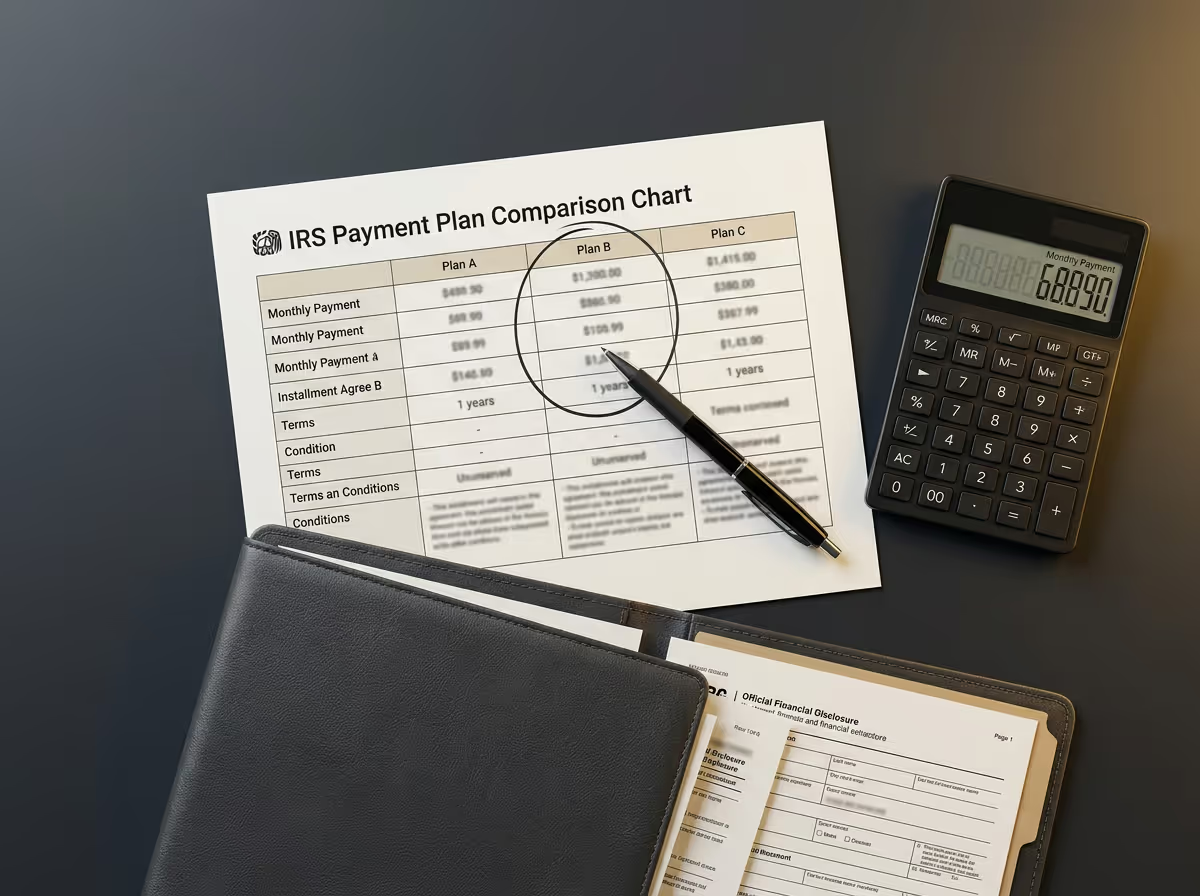

Embargo salarial
La tasa salarial es continua. El IRS le indica a su empleador que retenga una parte de su cheque de pago. El embargo permanece en vigor hasta que se libere o se resuelva la deuda.
Tasa bancaria
El IRS puede congelar su cuenta bancaria. En IRS.gov se explica que los bancos deben retener los fondos durante 21 días antes de enviarlos al IRS. Este período da tiempo para solicitar la exención por dificultades económicas.
Programa federal de impuestos sobre pagos
Según el artículo 6331 (h) del IRC, el IRS puede imponer ciertos pagos federales, incluidos los beneficios del Seguro Social.
Aviso de gravamen fiscal federal
Según el artículo 6323 del IRC, el IRS puede presentar una notificación de gravamen fiscal federal. Este registro público se adjunta a todos los bienes que posea o adquiera.


Certificación de pasaportes
Según el artículo 7345 del IRC, una deuda tributaria gravemente morosa puede llevar a la certificación ante el Departamento de Estado, lo que podría resultar en la denegación o revocación del pasaporte. Actualmente no es cobrable
Currently Not Collectible status halts active enforcement when hardship is properly documented.
Para quién es este servicio
Necesita este servicio si:
- Sin ingresos disponibles: Necesita este servicio si pagar al IRS le impide cubrir los gastos esenciales, como la vivienda, los servicios públicos, la comida o el transporte.
- Beneficios gubernamentales fijos: Puede reunir los requisitos si sus únicos ingresos provienen de beneficios del Seguro Social, incapacidad, desempleo o similares, y sus gastos superan los ingresos.
- Notificación final de embargo recibida: Debe solicitar representación si recibió una notificación final de intención de embargar y no puede pagar el saldo.
- Embargo salarial activo: Necesita este servicio si le embargan el salario y no puede cubrir los gastos de manutención necesarios.
- Cuenta bancaria congelada: Si su cuenta bancaria fue embargada y no puede acceder a los fondos para las facturas esenciales, es posible que se aplique una ayuda por dificultades económicas.
- Oficial de ingresos asignado: Necesita representación si un oficial de ingresos del IRS exige el pago o la divulgación financiera.
- Acuerdo de pago a plazos fallido: Es posible que necesite el estatus de CNC si ingresó a un plan de pago pero no puede pagar el monto mensual.
- Dificultades financieras graves: Puede reunir los requisitos si el desempleo, la enfermedad o las dificultades familiares recientes han eliminado su capacidad de pagar cualquier parte de la deuda.
Errores comunes que cometen las personas
Muchos contribuyentes empeoran su situación al cometer errores evitables:
Nuestro proceso de representación
Evaluación inicial del caso
Comenzamos con una consulta detallada y confidencial para comprender su situación financiera, el historial del IRS y el riesgo de cumplimiento. Revisamos todos los avisos del IRS, determinamos si hay un oficial de ingresos asignado, analizamos su saldo total e identificamos los plazos críticos. También examinamos sus ingresos, gastos de manutención necesarios, activos y pasivos para determinar si la estrategia más adecuada es mantener la condición de no cobrable actualmente o si otra opción de resolución es más eficaz.
Durante esta etapa, evaluamos la urgencia. Si se enfrenta a una tasa activa o a una fecha límite de notificación final, priorizamos la intervención inmediata. Si la aplicación aún no ha comenzado, estructuramos estratégicamente el caso para evitar una escalada.
Presentar un poder notarial
Una vez que comience la representación, preparamos y presentamos el formulario 2848 del IRS, poder notarial y declaración de representante. Esto nos autoriza legalmente a actuar en su nombre ante el IRS. Una vez que el IRS procese el formulario, todas las comunicaciones deben pasar por nuestra oficina.
Este paso cambia inmediatamente la dinámica de su caso. Ya no habla con los representantes de cobro del IRS. Ya no responde a las llamadas policiales. Los avisos del IRS se nos redirigen. Obtenemos las transcripciones de sus cuentas del IRS, confirmamos los saldos, revisamos las fechas de evaluación y verificamos la fecha de vencimiento de la ley de cobro según el IRC § 6502. Esta función garantiza que comprendamos exactamente durante cuánto tiempo el IRS tiene el derecho legal de cobrar.


Protección inmediata de cobros
Si la acción de embargo está pendiente o ya está en vigor, actuamos de inmediato. Nos ponemos en contacto con la unidad asignada del IRS (ya sea el Sistema Automatizado de Recaudación o un funcionario de Hacienda) para solicitar que suspenda temporalmente la ejecución de la ley mientras se prepara su declaración financiera. Si ha transcurrido un plazo de 30 días desde la recepción de la última notificación de intención de embargar, podemos iniciar una solicitud de cobro con el debido proceso para preservar el derecho a apelar.
Si ya hay una tasa salarial o bancaria activa, solicitamos una exención por dificultades en virtud del artículo 6343 del IRC. La rapidez es importante durante esta fase, especialmente en situaciones de embargo bancario, en las que los fondos se retienen durante 21 días antes de la transferencia.
Nuestro objetivo es estabilizar la situación antes de que el daño financiero se agrave.
Preparación de estados financieros
La declaración de información de cobro (formulario 433-A o 433-F) es la base de una solicitud por dificultades económicas. El IRS examina cada cifra. Los errores, la falta de documentación o los gastos mal clasificados con frecuencia conducen a la denegación.
Trabajamos en estrecha colaboración con usted para recopilar y organizar la documentación requerida, que incluye:
Calculamos los gastos de manutención permitidos utilizando las normas nacionales y locales del IRS publicadas en IRS.gov. Cuando los gastos reales superan las asignaciones estándar, preparamos la documentación y la justificación. También evaluamos la equidad de los activos para determinar si el IRS puede cuestionar su capacidad de obtener préstamos con garantía hipotecaria.
La presentación financiera debe ser precisa, completa y defendible.


Presentación formal por dificultades
Una vez que la documentación esté completa, presentaremos formalmente su solicitud de divulgación financiera y dificultades financieras al IRS. Si se asigna un oficial de ingresos, nos coordinamos directamente con ese funcionario. Si su caso se tramita a través del sistema de cobro automatizado, enviamos la documentación a través de los canales aprobados y confirmamos la recepción.
Indicamos claramente la solicitud del estado actualmente no coleccionable en función de las dificultades económicas. Hacemos referencia a los procedimientos aplicables del IRS y explicamos por qué el cobro forzoso le impediría cubrir los gastos de manutención necesarios.
La formulación adecuada de la solicitud aumenta la probabilidad de aprobación.
Negociación del IRS
El IRS a menudo responde con preguntas u objeciones de seguimiento. Pueden cuestionar ciertos gastos, cuestionar la estabilidad de los ingresos o preguntar sobre la equidad de los activos.
Nos encargamos de toda la comunicación y la negociación. Si el IRS cuestiona una categoría de gastos, proporcionamos documentación adicional o apoyo en materia de políticas. Cuando surgen dudas sobre la equidad de los activos, evaluamos si la liquidación empeoraría la situación y ajustamos nuestra respuesta en consecuencia.
Nuestra función es abogar por su realidad financiera y, al mismo tiempo, garantizar el cumplimiento de las normas del IRS. Mantenemos el profesionalismo y la persistencia durante todo el proceso de revisión

Confirmación de dificultades
Cuando el IRS acepta que existen dificultades económicas, actualiza su cuenta al estado Actualmente no cobrable, comúnmente codificado como estado 53. Confirmamos esta codificación mediante una revisión del expediente académico y, cuando esté disponible, una verificación por escrito.
Nos aseguramos de que se liberen todos los gravámenes salariales activos y confirmamos que las acciones de recaudación bancaria se han detenido. También verificamos que cesen las llamadas de cobro y las actividades de aplicación de la ley.
En esta etapa, recuperas la estabilidad. La presión por hacer cumplir la ley desaparece y usted puede centrarse en mantener el cumplimiento y la recuperación financiera.
Supervisión continua del cumplimiento
El estado actualmente no coleccionable requiere un cumplimiento continuo. Debe presentar las declaraciones de impuestos futuras a tiempo y evitar incurrir en nuevos saldos impagos. Si no cumple con los requisitos, el IRS puede eliminar la situación de dificultad económica.
Brindamos orientación sobre la retención adecuada o los pagos estimados para evitar nuevas responsabilidades. Explicamos cómo funcionan los ciclos de revisión del IRS y qué desencadena la reevaluación.
Si el IRS solicita más adelante información financiera actualizada, nos ocuparemos de esa revisión en su nombre y abogaremos por la situación de dificultades económicas continuas, si corresponde.
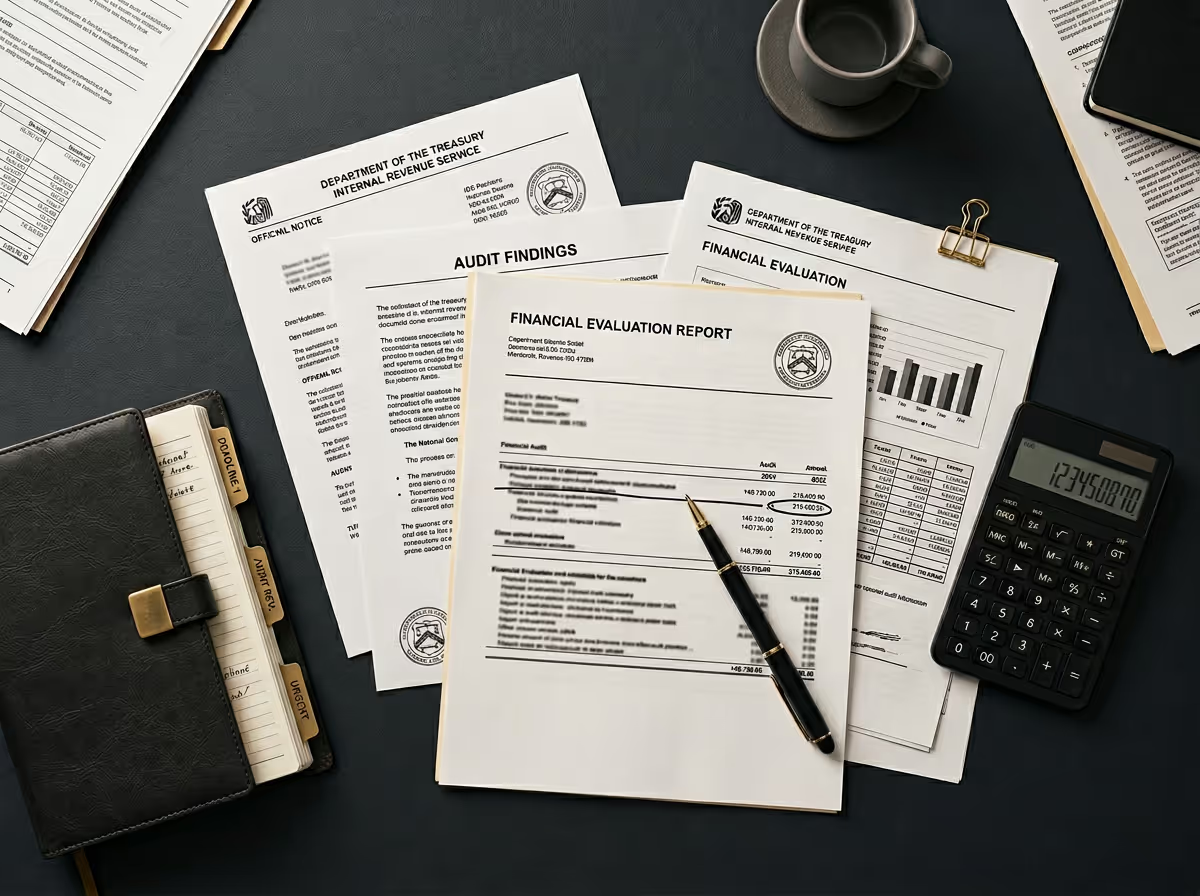

Seguimiento del estatuto de la colección
Según el artículo 6502 del IRC, el IRS generalmente tiene diez años a partir de la fecha de la evaluación para cobrar una deuda tributaria. Si bien actualmente se encuentra en estado no cobrable, este estatuto sigue en vigor.
Hacemos un seguimiento de la fecha de vencimiento de su estatuto de cobro y le explicamos cómo afecta a su estrategia a largo plazo. En algunos casos, permanecer en situación difícil hasta que expire la ley es un resultado realista. En otras situaciones, la mejora de las finanzas puede requerir una reevaluación de las opciones.
Brindamos claridad para que comprenda tanto su protección a corto plazo como su posición a largo plazo.
Durante todo este proceso, no estás solo. Gestionamos la comunicación, la documentación, la negociación y el cumplimiento del IRS para que pueda recuperar el control de su situación financiera sin la presión constante de hacer cumplir la ley.
Qué pasa si no haces nada
Levy Authority comienza: Una vez que venza el Aviso final, el IRS puede emitir impuestos salariales o bancarios sin previo aviso.
Pérdida inmediata de ingresos: Es posible que se embargue su cheque de pago o que se congele su cuenta bancaria, lo que interrumpirá su capacidad de pagar las facturas básicas.
Embargo salarial continuo: El IRS continúa reteniendo los ingresos en cada período de pago hasta que se libere o resuelva el embargo.
Presentación de gravámenes fiscales: El IRS puede presentar una notificación de gravamen fiscal federal que afecte las transacciones crediticias y de propiedad.
El riesgo de incautación de activos aumenta: El IRS puede embargar los activos si el cobro sigue sin resolverse.
Daño financiero a largo plazo: Los gravámenes y gravámenes públicos continuos pueden tener consecuencias financieras duraderas.
Preguntas frecuentes (FAQ)
Actúe ahora
IRS enforcement does not cease on its own. If you cannot afford to pay and are facing collection pressure, representation changes the outcome. We take over communication, prepare your hardship documentation correctly, and negotiate directly with the IRS to secure protection.
Call today. The sooner we intervene, the more control you regain.
Results depend on individual circumstances and IRS determinations. No outcome is guaranteed. Representation is subject to IRS rules and procedures. IRS Circular 230 Disclosure applies.