


Tax Planning for Individuals | Immediate Relief
This is where we step in. We manage IRS communication through the power of attorney, stabilize your situation, and create a clear plan based on your taxable income, tax deductions, and filing status. Our goal is to reduce tax exposure, improve tax withholding and estimated tax payments, and keep your financial plan aligned with current tax laws—so you can stay compliant and avoid future tax debt.

What This Service Does
Tax planning for individuals under IRS pressure must be practical, structured, and compliant with federal tax laws. This is not general wealth advice. It is enforcement-aware planning designed to reduce future tax liability while we stabilize your current situation.
We manage these tasks from start to finish on your behalf.
We Take Over IRS Communication and Protect Your Position
Once engaged, we file a power of attorney so we can communicate directly with the Internal Revenue Service on your behalf. We obtain account transcripts, confirm balances, review penalties, and assess enforcement status. This prevents misstatements, missed deadlines, or rushed agreements that could increase your tax liability. While you focus on your income and family, we manage the federal income tax side strategically and professionally.
We Analyze Your Taxable Income and True Tax Liability
Effective tax planning starts with understanding your taxable income, adjusted gross income, filing status, and overall tax liability. We review income from W-2 wages, Form 1099 income, business revenue, capital gains, retirement distributions, Social Security benefits, and digital assets such as virtual currency. We evaluate how your tax brackets and rates apply to your situation and identify legally permissible ways to reduce exposure under current tax laws.
We Adjust Withholding and Estimated Payments
Many IRS problems begin with incorrect withholding or missed estimated payments. We review your Form W-4, calculate projected federal income tax, and design estimated payment strategies if you are self-employed or receive investment income. We prevent new underpayment penalties while resolving existing balances. Proper withholding is one of the most important tax planning strategies for stopping repeat debt cycles.
We Optimize Deductions and Credits
We evaluate available tax deductions and tax credits that may reduce your overall tax liability. This includes reviewing itemized deductions such as mortgage interest, charitable contributions to a public charity, medical expenses, and the SALT deduction, where applicable. We also analyze eligibility for credits that may apply to dependents, education expenses, or energy-related tax incentives. Every legitimate reduction matters when enforcement pressure exists.
We Coordinate Retirement and Investment Tax Planning
Retirement planning has direct tax implications. We evaluate contributions to traditional IRAs, Roth IRAs, solo 401(k)s, and other qualified retirement plans to determine how they affect adjusted gross income and taxable income. We also review capital gains, long-term capital gains, capital gains rates, and potential tax-loss harvesting opportunities. Strategic asset allocation and tax-efficient investments can reduce future exposure while keeping you compliant.
We Address Investment and Asset Transactions
If you are selling real property, appreciated stock, or qualified small business stock under Section 1202, we analyze the tax implications before the transaction closes. We review Schedule D reporting requirements and consider whether tax-smart investing strategies such as municipal bonds, municipal bond funds, or opportunity zone investments are appropriate. We also evaluate wash-sale rule risks when harvesting losses to avoid disallowed deductions.
We Integrate Business Income Planning
For small business owners, tax planning includes reviewing qualified business income, S corporation or C corporation considerations, worker classification risks, and potential Section 179 or bonus depreciation opportunities. We analyze whether you materially participate in business activities and how passive activity rules may affect your tax liability. Proper planning reduces surprises, keeps business owners compliant, and resolves IRS balances.
We Align Estate and Long-Term Planning With Tax Compliance
Estate taxes, estate planning structures, revocable trusts, life insurance policies, and intra-family loans all have tax implications. While enforcement matters remain the priority, we consider how your estate plan interacts with federal tax obligations. This process ensures that long-term wealth management decisions do not unintentionally increase short-term tax risk.
We Improve Recordkeeping and Filing Structure
Strong documentation supports compliance. We help you organize tax records using electronic recordkeeping methods and structured processes. We review filing status options, such as head of household, where applicable, and ensure address updates using Form 8822 if necessary. Clean documentation strengthens your position and reduces audit and enforcement risk.
We Build a Sustainable, Enforcement-Aware Plan
Most importantly, we design a plan you can actually follow. We combine adjusted withholding, estimated payments, deduction planning, retirement contributions, and investment strategies into one clear structure. The goal is simple: prevent new tax debt, reduce ongoing exposure, and keep you compliant with federal tax laws while we resolve existing IRS issues.
Our solution is not generic advice. It is strategic tax planning built around your real income, real obligations, and real enforcement risk.
Why This Gets Worse Without Help
IRS problems rarely stay the same. In most cases, they grow more complicated and more expensive over time. Many taxpayers intend to fix the issue later, but without structured planning and professional guidance, delays often reduce options and increase enforcement risk.
Interest And Penalties Continue To Grow
Unpaid tax does not remain static. Interest generally accrues daily on outstanding balances, and penalties may continue to apply under certain circumstances. Even if you plan to address the debt later, the total amount owed can increase significantly in the meantime. What starts as a manageable balance can quickly become overwhelming.
The Collection Process Escalates
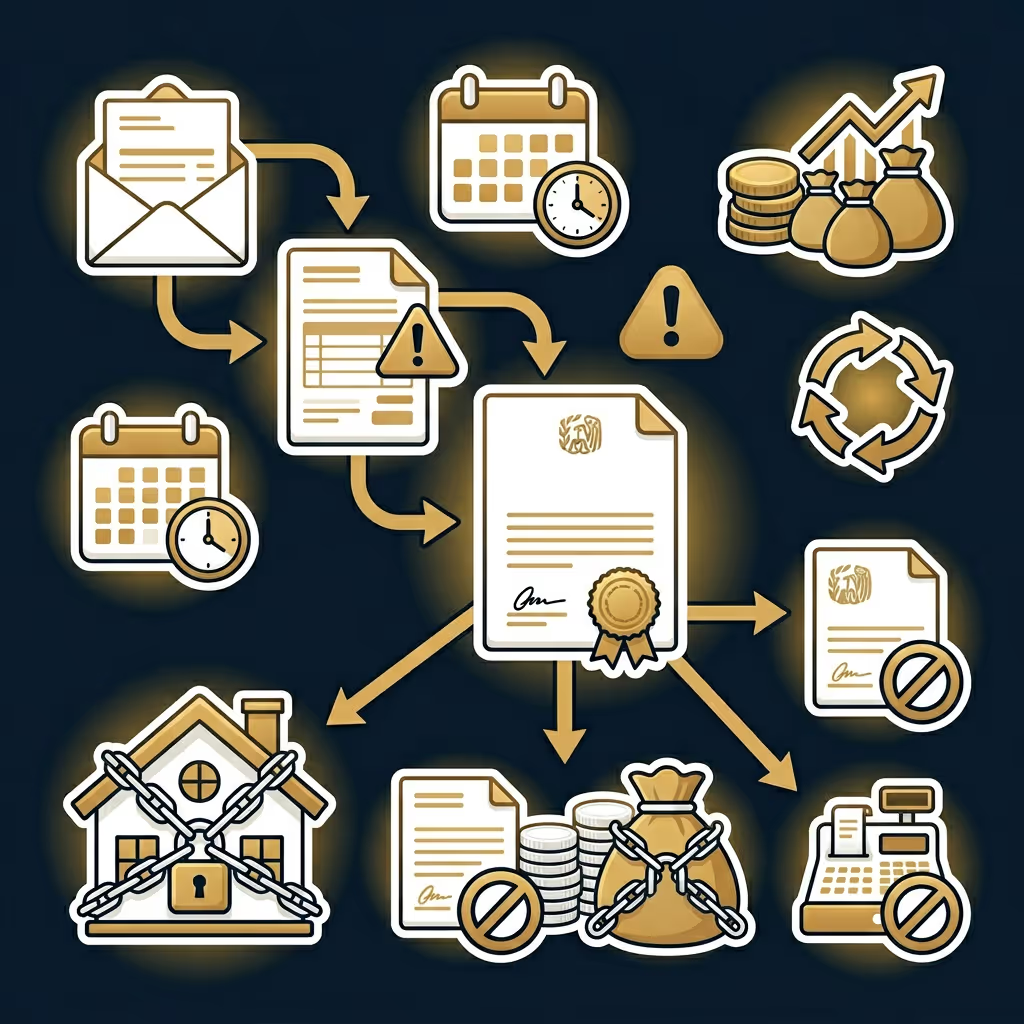
The IRS follows a structured collection process. It typically begins with notices and billing letters, but may escalate to more serious enforcement actions if the balance remains unresolved. As time passes, your account may advance to stages that involve lien filings or levy warnings. The longer the delay, the fewer informal solutions may remain available.
Payment Options Become Harder To Maintain
If you enter into a payment arrangement without correcting current tax compliance, you may create new balances while paying old ones. This procedure often leads to default. Once a payment agreement is terminated, the IRS can return your account to active collection status, which increases pressure and limits flexibility.
Financial Stress Affects Decision-Making
When enforcement risk increases, financial stress usually follows. Taxpayers under pressure may agree to unrealistic payment terms or ignore important deadlines. Decisions made under stress are often not sustainable. Having a structured representation reduces emotional decision-making and replaces it with a clear, strategic plan.
Loss Of Negotiation Flexibility
Early in the process, there may be more room to respond to notices and organize compliance. As enforcement actions become more imminent, options can narrow. Once a lien is filed or a levy is issued, resolving the matter becomes more urgent and often more complex. Acting sooner generally provides greater control and better planning opportunities.
Without professional guidance and forward tax planning, small issues tend to compound. Early intervention protects your income, preserves options, and helps prevent the cycle from repeating.
How the IRS Enforces This
When tax balances remain unpaid or compliance issues continue, the IRS has broad legal authority to collect what is owed. Enforcement does not usually begin immediately, but the process is structured and can escalate over time if action is not taken. Understanding how enforcement works helps explain why proactive tax planning and representation matter.
Collection Notices And Escalating Letters
The enforcement process typically begins with a series of written notices. These letters inform you of the balance due, penalties, and interest. If the account remains unresolved, the tone of the notices becomes more urgent. Each letter provides a deadline to respond or pay. Ignoring these notices can advance your account further into the collection process and limit your available resolution options.
Federal Tax Lien Filing
Should the balance remain unresolved, the IRS has the authority to initiate a federal tax lien notification. A lien is the government’s legal claim against your property due to unpaid tax debt. It can attach to real estate, personal property, and financial assets. A lien does not immediately seize property, but it protects the government’s interest and can complicate refinancing, property sales, and certain financial transactions.

Levy Action On Wages And Bank Accounts
The IRS can issue a levy if the unpaid balance persists despite prior notices. A levy is an actual seizure of property to satisfy the debt. Wage levies can take a portion of each paycheck until the debt is resolved. Bank levies can freeze and seize funds in your account. These actions can disrupt your daily finances and create immediate hardship.
Seizure Of Assets In Serious Cases
In more difficult situations, and after required notices, the IRS has the authority to seize and sell certain assets to satisfy a tax debt. This can include vehicles, business assets, or other valuable property. Although asset seizure is less common than wage or bank levies, the IRS has the authority to use it in cases of prolonged noncompliance.
Ongoing Accrual Of Interest And Penalties
Even before aggressive enforcement begins, the financial impact continues. Interest generally accrues daily on unpaid tax and penalties until the balance is fully paid. This means the longer a balance remains unresolved, the larger it becomes. Without structured planning and timely intervention, the total amount owed can grow significantly.
Termination Of Installment Agreements
If you are on a payment plan and fail to remain compliant with current tax obligations, the IRS can terminate the agreement. Once terminated, the account can return to active collection status, including possible lien or levy action. This is why forward tax planning is critical to maintaining any negotiated resolution.
IRS enforcement follows a predictable path, but it does not pause on its own. Early action, structured compliance, and professional representation help reduce the risk of escalation and protect your financial stability.

Who This Service Is For
- Ongoing IRS balance: You need this if you currently owe the IRS and are concerned about repeating the same problem next year without a structured tax plan.
- Self-employment income: You need this if you earn 1099 or business income and struggle to calculate accurate estimated payments throughout the year.
- Installment agreement risk: You need this treatment if you are on a payment plan and want to prevent default by staying compliant with current tax obligations.
- Collection notices received: You need this assistance if you have received IRS notices referencing possible liens or levies and want professional representation.
- Multi-year tax issues: You need this if you have several unplanned tax years and want structured compliance moving forward.
- Fear of wage or bank levy: You need this if you are concerned about wage garnishment or bank account seizure and want to reduce enforcement risk.
- Overwhelmed by IRS communication: You need this if dealing directly with the IRS causes stress, and you want professional control of the situation.
Common Mistakes People Make
- Waiting until next year: Waiting until the next filing season to correct planning often results in additional underpayment penalties and growing interest.
- Guessing estimated payments: Relying on rough estimates rather than structured calculations often leads to underpayment and renewed IRS debt.
- Starting a payment plan without forward compliance: Entering an installment agreement without fixing current-year withholding or estimates often results in default.
- Ignoring IRS notices: Ignoring collection letters reduces available options and increases enforcement risk under the process described in Publication 594.
- Agreeing to unaffordable terms: Accepting payment amounts that are not sustainable often leads to default and renewed enforcement.
- Mixing tax funds with operating funds: Failing to separate tax savings from business operating cash frequently creates recurring debt cycles.
- Waiting for a levy before acting: Delaying action until a levy occurs significantly limits negotiation flexibility and financial control.
Our Representation Process
Initial Case Assessment
We begin with a detailed review of your entire IRS situation. This includes analyzing notices, account balances, filing history, penalty exposure, and any signs of enforcement activity. We determine where you are in the collection process and identify immediate risks such as lien filing or levy action. This assessment allows us to build a strategy based on facts, not assumptions, and prioritize the most urgent issues first.
Power Of Attorney Filing
Next, we prepare and file a power of attorney authorization so we can legally represent you before the IRS. Once approved, we communicate directly with the IRS on your behalf, request transcripts, verify balances, and confirm enforcement status. This removes you from high-pressure conversations and ensures all communication is handled strategically and professionally.


Compliance Stabilization
The IRS requires taxpayers to comply with filing requirements before considering most resolution options. We review which returns must be filed and ensure all the necessary documents are prepared and submitted properly. We also confirm that current-year withholding or estimated payments are on track. Stabilizing compliance strengthens your position and keeps additional penalties from building.
Forward Tax Planning Design
We then design a structured tax plan tailored to your income type, cash flow, and financial obligations. This may include adjusting withholding, calculating estimated payments, or setting up a consistent tax savings structure. The goal is to prevent new balances from developing while we resolve existing debt. A realistic plan protects you from repeating the same tax cycle.
Resolution Coordination
If you owe the IRS and cannot pay in full, we evaluate appropriate resolution options such as installment agreements or other available programs. We align your repayment strategy with your forward tax plan to ensure sustainability. This coordination reduces the risk of default and helps maintain compliance while payments are being made.
Ongoing Monitoring And Adjustment
Tax planning is not a one-time event. We establish structured follow-up checkpoints to confirm that withholding, estimated payments, and filing deadlines remain on track. If your income changes or circumstances shift, we adjust the plan accordingly. Ongoing monitoring helps prevent surprises and keeps you protected from renewed IRS enforcement pressure.

What Happens If You Do Nothing
You may continue receiving billing notices from the IRS.
Interest will continue to accrue daily on unpaid balances.
Penalties may increase depending on your account status.
Your account may move further into the collection process described in Publication 594.
You may receive stronger enforcement warnings.
The risk of lien filing may increase if balances remain unresolved.
Enforcement risk may become more immediate depending on account status.
The IRS may issue levy notices affecting wages or bank accounts.
Financial disruption may limit your ability to negotiate favorable terms.
Frequently Asked Questions (FAQs)
Take Action Now
IRS enforcement does not pause while you consider your options. Interest continues to accrue. Notices continue to arrive. Enforcement risk can increase over time.
We handle this process for you. We communicate with the IRS. We design structured tax planning aligned with your real income and obligations. We protect your compliance while pursuing resolution.
Call now to take control before the situation becomes harder to manage.
Results depend on individual circumstances and IRS determinations. No outcome is guaranteed. Representation is subject to IRS rules and procedures. IRS Circular 230 Disclosure applies.