Thank you for contacting
GetTaxReliefNow.com!
or wage garnishment — call us now at +(888) 260 9441 for immediate help.



Short-Term AFR Jumps to 3.82% for May
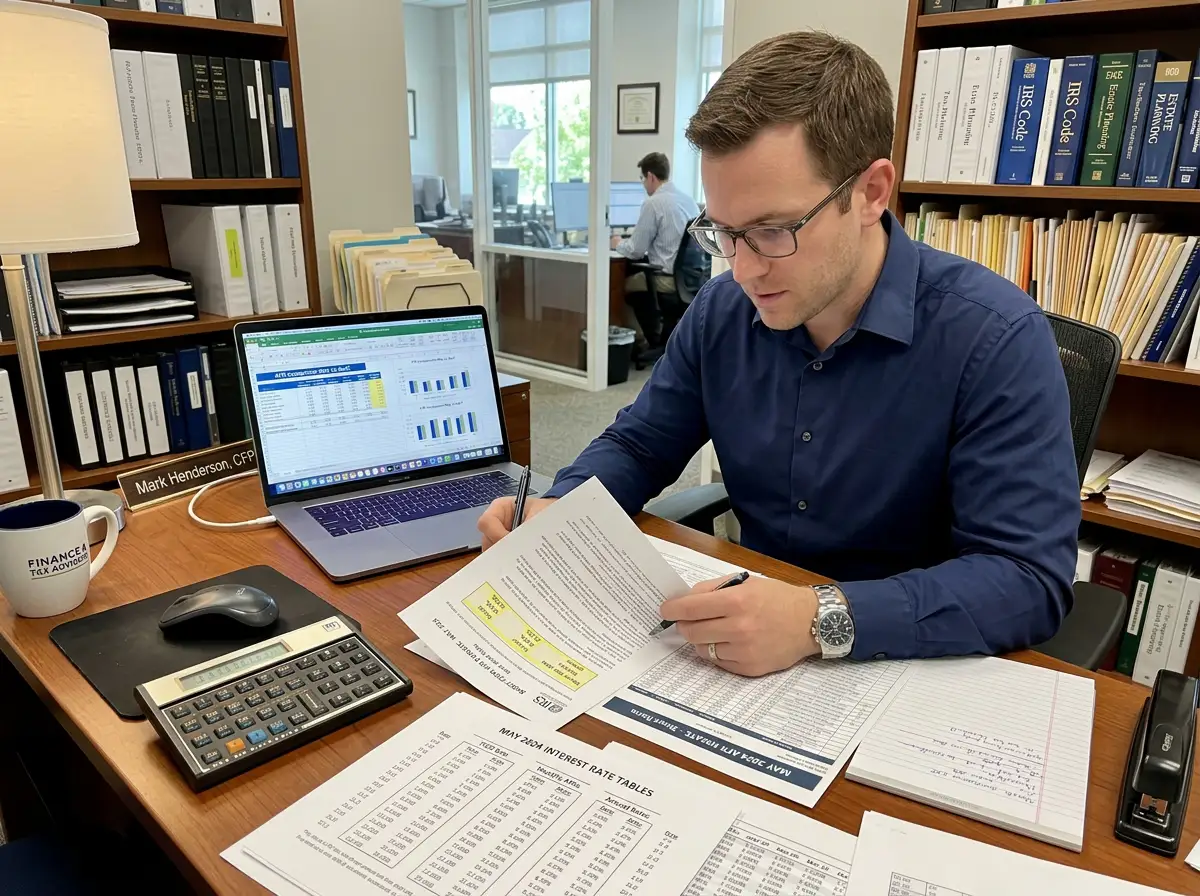
The IRS has raised the short-term AFR for May 2026, signaling a shift that could affect loans, estate planning, and tax strategies. The updated applicable federal rate reflects higher Treasury yields, which are increasing borrowing costs under tax rules. Tax professionals say the change may alter decisions around intra-family loans and installment sales.
IRS Releases Higher Applicable Federal Rate for May
The Internal Revenue Service published updated applicable federal rate figures in Rev. Rul. 2026-9, showing the short-term AFR climbing to 3.82% on an annual basis for May. The federal short-term rate also increased across other compounding periods, alongside higher mid-term AFR at 4.08% and long-term AFR at 4.83%.
This marks a noticeable increase from April’s 3.59% short-term AFR and continues a gradual upward trend seen earlier in 2026. The Section 7520 rate, commonly used in estate planning strategies, also rose to 5.0%, further tightening conditions for tax-efficient wealth transfers.
The IRS AFR figures are derived from Treasury interest rates and play a central role in determining minimum interest thresholds for financial arrangements that could otherwise be treated as below-market loans.
Higher AFR Pushes Up Costs for Below-Market Loans
The rise in the short-term AFR directly affects transactions governed by Section 7872, which applies to below-market loans such as intra-family loans, employer advances, and shareholder loans. When interest rates fall below the federal short-term rate, the IRS may impute interest, creating taxable income or gift tax exposure.
Taxpayers using promissory notes or structuring installment sales may face an increase in the amount of forgone interest that they must recognize due to the higher AFR. This may lead to additional tax liabilities, particularly in arrangements involving low-interest or interest-free loans.
Federal Rate System Drives Tax Planning Decisions
The applicable federal rate framework is based on Internal Revenue Code Sections 1274 and 7872, which govern the application of interest rates to various loan durations. Short-term AFR applies to obligations with maturities of three years or less, while mid-term and long-term AFRs apply to longer maturities.
These rates are updated monthly and are tied to Treasury market data, specifically constant maturity Treasury yields. The IRS converts those yields into AFR figures used for tax compliance, including rules governing imputed interest and original issue discount.
Estate Planning Strategies Face Pressure as Rates Increase
The increase in the Section 7520 rate, along with higher AFRs, may reduce the effectiveness of estate planning tools such as grantor retained annuity trusts (GRATs) and installment sale strategies. These structures often depend on lower interest assumptions to transfer wealth efficiently.
Tax advisers note that higher federal rates can shift the economics of these arrangements, making it more difficult to achieve favorable outcomes. As a result, taxpayers may need to reassess existing plans or accelerate transactions before further rate increases take effect.
Taxpayers Urged to Review Transactions as Rates Climb
Tax professionals recommend reviewing any transactions tied to the short-term AFR before finalizing agreements. This includes seller-financed deals, family loans, and other arrangements that rely on the IRS's minimum interest rules.
Careful documentation of the applicable federal rate and correct compounding method is essential to avoid compliance issues. In some cases, taxpayers may consider refinancing or restructuring existing agreements to align with current IRS AFR guidelines.
Sources
By William Mc Lee, Editor-in-Chief & Tax Expert—Get Tax Relief Now
If you need help with a tax issue discussed in this article, you can reach a licensed tax professional at Get Tax Relief Now at (888) 260-9441 or visit our contact page.
Thank you for submitting!
Start My Confidential, No-Judgment Case Review
Ready to stop penalties and garnishments? Complete the form or call/email us directly—our experts are standing by to assist.

Have a question?
+ (888) 260 9441
Write email
info@gettaxreliefnow.com
Address