Thank you for contacting
GetTaxReliefNow.com!
or wage garnishment — call us now at +(888) 260 9441 for immediate help.



North Carolina Penalty Notice Timing Affects 2025 Filers
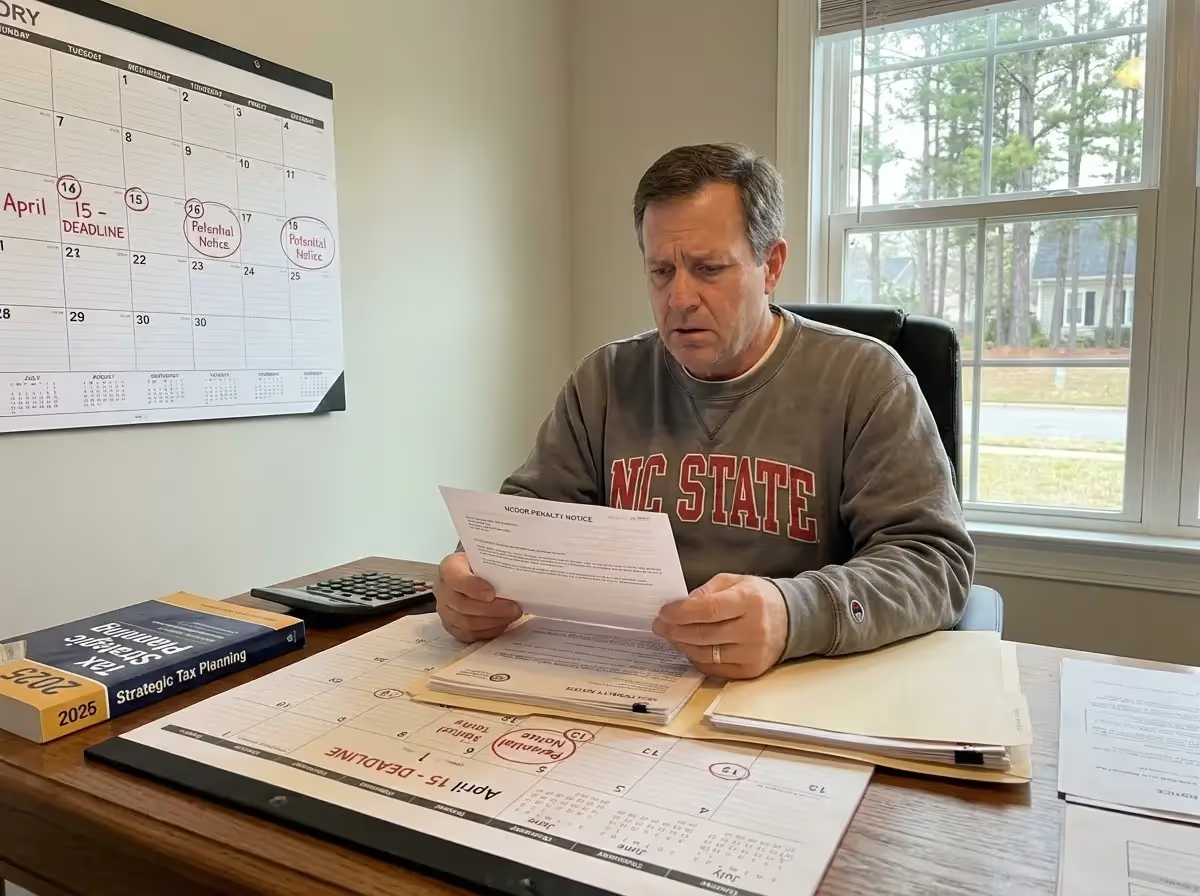
The timing of North Carolina penalty notices will shape how 2025 tax filers respond to late filings, unpaid balances, and assessment disputes. According to official guidance from the North Carolina Department of Revenue, penalties are assessed automatically in some instances, and strict deadlines apply once a notice is issued.
State Automatically Assesses Penalties for Late Filings and Payments
The North Carolina Department of Revenue automatically assesses penalties when taxpayers file individual income tax returns late or fail to pay tax owed by the due date. For 2025 tax filers, returns are due April 15, 2026, and penalties apply when returns are submitted after that date with a balance due.
Late filing penalties are calculated at five percent of the net tax due for each month or partial month the return is late, up to a maximum of 25 percent. Late payment penalties for taxes assessed after January 1, 2023, are set at 5% of the unpaid tax from the original due date.
These penalties are applied simultaneously when both late filing and late payment occur.
Department Triggers 45-Day Deadline After Issuing Assessments
Once the Department issues a Notice of Individual Income Tax Assessment, taxpayers enter a critical 45-day response period. During this window, taxpayers must either pay the full amount assessed or submit a Request for Departmental Review.
Deadline Starts When Notice Is Mailed or Delivered
For mailed notices, the 45-day period begins on the mailing date shown on the notice. For hand-delivered notices, the countdown starts on the delivery date. Taxpayers who miss the deadline lose the right to contest the assessment through administrative review.
Proposed assessments are also subject to additional late-payment penalties if payment is not received within 45 days, unless a timely review request is filed during that period.
Law Limits How Long the State Can Issue Assessments
North Carolina law generally gives the Department three years to issue a notice of assessment. This three-year window begins on the later of the return’s due date or the actual filing date of the return.
Federal Changes Reset the Assessment Clock
When the Internal Revenue Service notifies North Carolina of federal return adjustments, the Department has three years from the IRS notification date to assess additional state tax. Taxpayers who file amended North Carolina returns within six months of IRS notification reduce the assessment window to one year from the amended filing date.
Taxpayers Must File Waiver Requests Within Set Timeframes
Taxpayers seeking relief from assessed penalties may submit waiver requests using Form NC-5500 or Form NC-5501. Under the July 8, 2025, Penalty Waiver Policy, waiver requests must generally be filed within 45 days of the proposed assessment date to prevent penalties from continuing during the review of the underlying tax.
For penalties that have already been paid, waiver requests must fall within the refund statute of limitations. In most cases, this means three years from the return’s due date or two years from the payment date, whichever is later.
Disaster Relief Temporarily Alters Standard Penalty Timing
In April 2025, the Department issued special guidance following Hurricane Helene. The suspension of certain late-action penalties for affected taxpayers who completed qualifying transactions by September 25, 2025, took effect. The relief highlights how emergency declarations can temporarily alter the expected timing of North Carolina penalty notices.
Collection Notices Add Fees if Balances Remain Unpaid
After issuing a Notice of Collection, the Department allows 60 days for payment before applying a 20 percent collection assistance fee. Taxpayers can avoid this fee by entering into an installment agreement before the fee is imposed.
Penalty Timing Rules Shape How Filers Should Respond
For 2025 filers, understanding the timing of penalty notices is critical. Taxpayers should carefully review notice dates, confirm deadlines, and act promptly to preserve appeal rights or request relief. Missing required timeframes can result in additional penalties, collection fees, or loss of administrative review options.
Sources
- North Carolina Department of Revenue, Penalties and Fees Overview
- North Carolina Department of Revenue, Notice of Individual Income Tax Assessment
- North Carolina Department of Revenue, Penalty Waiver Policy (July 8, 2025)
By William Mc Lee, Editor-in-Chief & Tax Expert—Get Tax Relief Now
If you need help with a tax issue discussed in this article, you can reach a licensed tax professional at Get Tax Relief Now at (888) 260-9441 or visit our contact page.
Thank you for submitting!
Start My Confidential, No-Judgment Case Review
Ready to stop penalties and garnishments? Complete the form or call/email us directly—our experts are standing by to assist.

Have a question?
+ (888) 260 9441
Write email
info@gettaxreliefnow.com
Address