Thank you for contacting
GetTaxReliefNow.com!
or wage garnishment — call us now at +(888) 260 9441 for immediate help.



Low-Income Taxpayer Clinics See Rising Case Volume
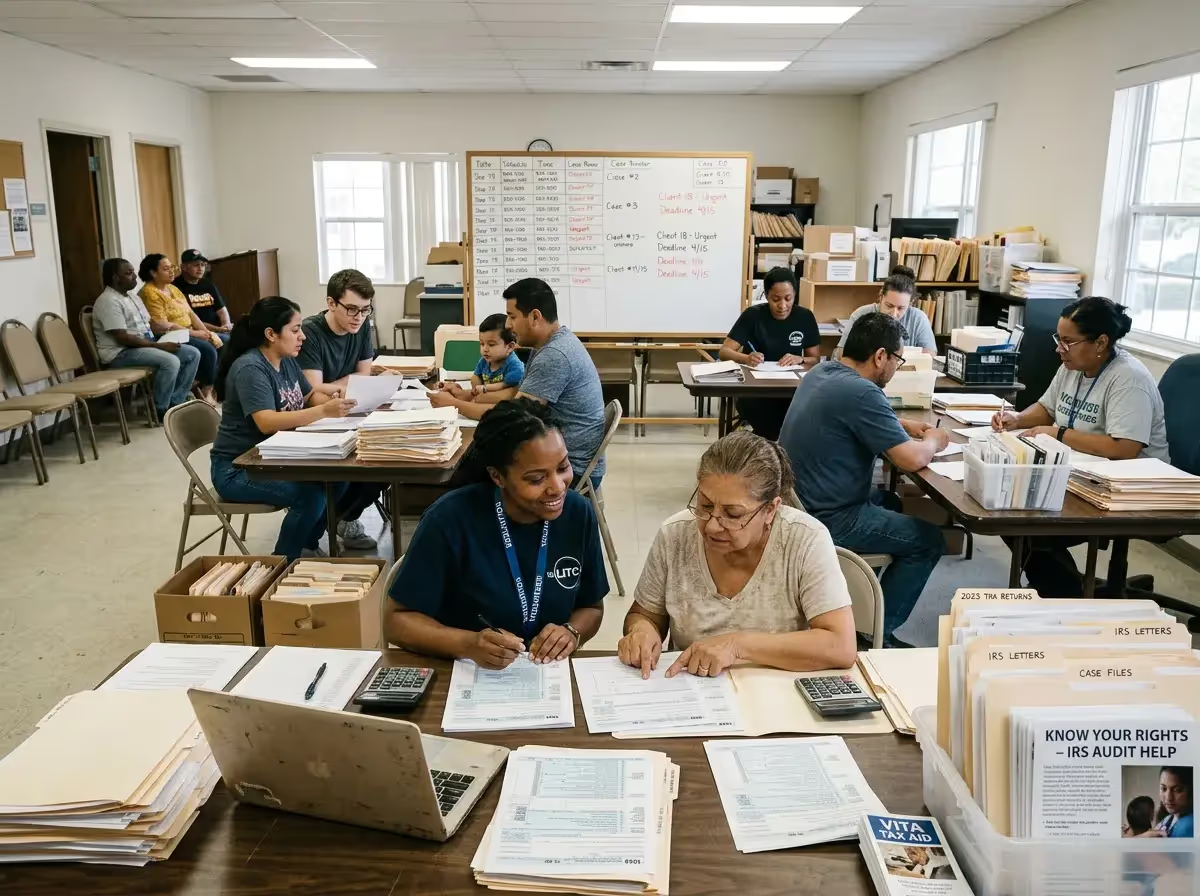
Low-income taxpayer clinics across the United States report a noticeable increase in requests for assistance during the 2025 tax filing season. Clinics say more taxpayers are seeking help with identity verification letters, tax collection problems, and complex tax disputes as compliance activity increases and delays in the tax system continue to affect refunds and return processing.
Demand for Tax Clinic Assistance Grows During Filing Season
Low Income Taxpayer Clinics say they are handling more calls, intake interviews, and active tax controversy cases than in previous filing seasons. Many taxpayers contacting a low-income taxpayer clinic are responding to Internal Revenue Service notices that require identity verification or documentation before their tax returns can proceed.
Identity theft and ID Theft reports remain a major driver of requests for help. Upon receiving Letter 4883C or CP5071 notices from the Internal Revenue Service, taxpayers must authenticate their identity before processing a return. Clinics frequently guide taxpayers through identity theft issues and documentation requests that delay refunds or trigger federal tax disputes.
Many clinics also assist taxpayers facing collection action. Tax collection matters often arise when a taxpayer receives balance-due notices or payment demands. For households with limited resources, these tax collection problems can escalate quickly, especially if liens or levies are threatened, and immediate responses are required.
Clinics Provide Representation in Federal Tax Controversy Cases
Low-income taxpayer clinics operate independently but may receive partial funding through a federal grant program authorized by Internal Revenue Code section 7526. These qualified low-income taxpayer clinics assist individuals who cannot afford professional tax preparers in federal tax controversy cases and may also guide taxpayers on how to file their taxes correctly.
Clinics often provide pro bono representation through volunteer attorneys or partners connected to programs like the Volunteer Income Tax Assistance (VITA program). While focused on disputes, they may coordinate with IRS-certified volunteers at nearby VITA sites to support tax return preparation, ensure a return is properly prepared, and help taxpayers access tools like IRS Free File or fillable forms.
Many clinics also coordinate with the Taxpayer Advocate Service and local offices when taxpayers face delays or hardship cases. Taxpayers can use the IRS locator tool or site locator tool to find nearby help, including options for filing, understanding direct deposit, and resolving issues tied to their returns.
Court Representation and Legal Support for Taxpayer Disputes
In certain situations, clinic staff and volunteer attorneys represent taxpayers in the United States Tax Court. Many clinics follow the Tax Court Clinic Guidelines when assisting taxpayers during Tax Court calendar calls, during which individuals appear before judges to address tax controversy cases.
Client representation may also include preparing taxpayers for court proceedings related to federal tax disputes. While most tax controversies are resolved administratively, some cases are litigated in the United States Tax Court or, less frequently, in federal district courts.
Low-Income and Vulnerable Taxpayers Seek Assistance
Eligibility for low-income taxpayer clinics generally depends on income levels and the size of disputes under the Internal Revenue Service guidelines. Many clinics provide free tax help, tax assistance, and support with income tax returns, especially when issues involve prior tax years, tax filing, or questions about the tax code.
Clinics often support immigrant taxpayers, workers facing classification issues, and individuals affected by domestic violence that impacts tax documents, Social Security numbers, or an Individual Taxpayer Identification Number. Taxpayers may also seek legal assistance and tax help resolving disputes with agencies while addressing concerns tied to a federal tax return or related tax preparation services.
University-based clinics also play a role in delivering tax help through community programs. Programs like the Cal Poly Low Income Taxpayer Clinic rely on volunteers to provide education, representation, and guidance, similar to other tax preparation programs that help taxpayers understand options such as the Earned Income Tax Credit and available tax credits.
Taxpayers Can Use IRS Publication 4134 to Find Clinics
Taxpayers seeking help with tax collection matters or federal tax controversy cases can use IRS Publication 4134 to find nearby clinics. The publication lists qualified low-income taxpayer clinics and provides details about eligibility and available services.
Before contacting a clinic, taxpayers should gather IRS notices, tax returns, and financial records. Having these documents ready enables clinics to quickly evaluate tax controversies and determine whether pro bono representation or legal assistance is available.
Sources
- Internal Revenue Service – Low Income Taxpayer Clinics
- Internal Revenue Service – Understanding Your Letter 4883C
- Internal Revenue Service – CP5071 Series Notice
By William Mc Lee, Editor-in-Chief & Tax Expert—Get Tax Relief Now
If you need help with a tax issue discussed in this article, you can reach a licensed tax professional at Get Tax Relief Now at (888) 260-9441 or visit our contact page.
Thank you for submitting!
Start My Confidential, No-Judgment Case Review
Ready to stop penalties and garnishments? Complete the form or call/email us directly—our experts are standing by to assist.

Have a question?
+ (888) 260 9441
Write email
info@gettaxreliefnow.com
Address