Thank you for contacting
GetTaxReliefNow.com!
or wage garnishment — call us now at +(888) 260 9441 for immediate help.



IRS ITIN Verification Backlog Delays Tax Refunds
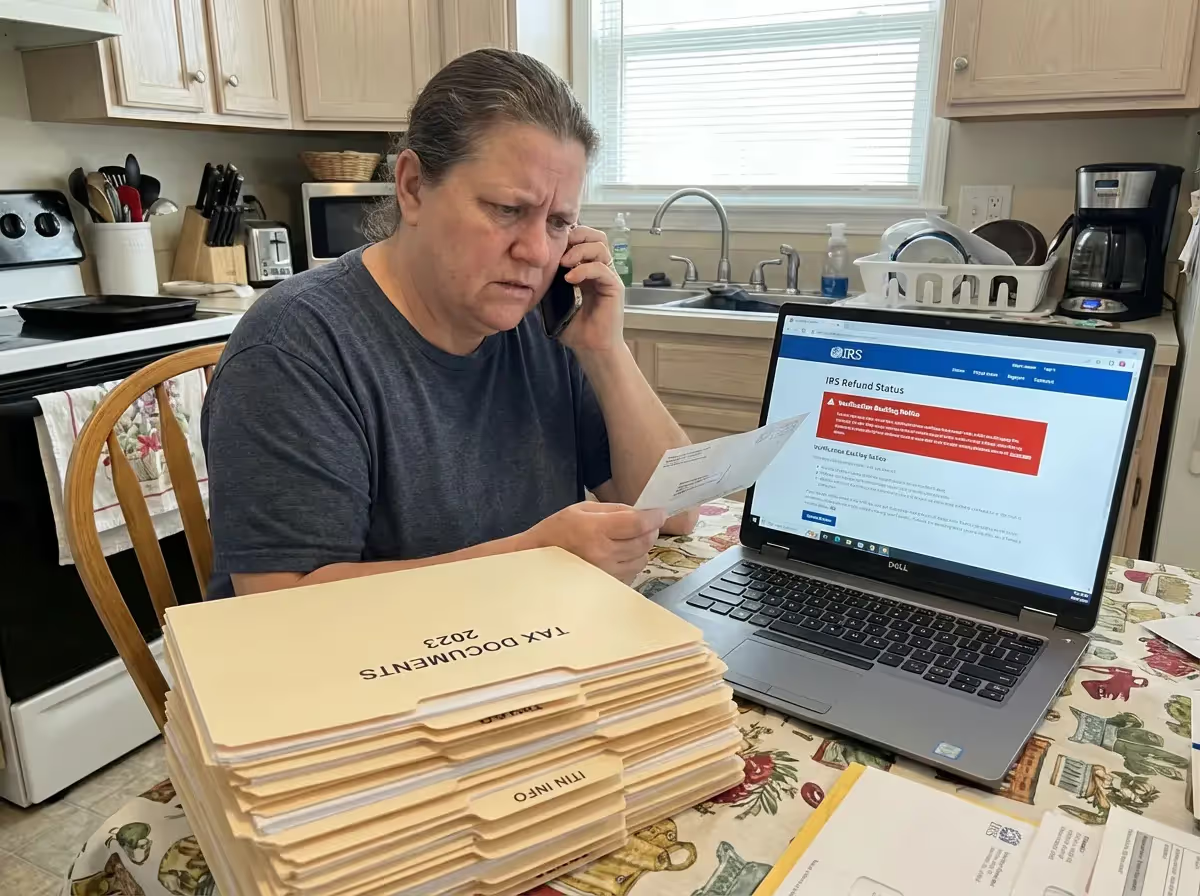
As the 2026 tax season approaches the filing deadline, taxpayers who rely on an Individual Taxpayer Identification Number are encountering delays. IRS specialized processing centers reviewing Form W-7 applications report a growing post-ITIN verification queue that is slowing tax return processing and refunds for some filers.
IRS Service Centers Report Slower ITIN Verification
An Individual Taxpayer Identification Number functions as a Taxpayer Identification Number for individuals who must file a tax return but cannot obtain a Social Security Number. Taxpayers apply using Form W-7 (W-7 form) and submit a paper tax return, such as Form 1040 or Form 1040NR, with tax documentation confirming personal details, immigration status, and application data.
During tax season, processing timelines can extend as applications undergo manual review at specialized processing centers. Files may include IRS Form W-2, Form W-2, Form 1116 for the Foreign Tax Credit, or additional filings such as Form 1065, Form 1120-S, Form 8865, Schedule K-2, Schedule K-3, and paper-filed business tax returns.
Mailing delays can also affect submissions delivered through USPS Priority Mail. In some cases, IRS staff must verify application data and supporting records before attaching the ITIN number to the return.
Manual Review and Verification Extend Processing Timelines
Because ITIN applications require physical documentation, examiners must manually review identity records and verification documents before approving the request. After approval, the IRS attaches the identification number to the filing through a re-association process so it can move through internal systems, such as the Tax Return Database View and Electronic Data Exchange.
The verification step may affect processing timelines for filings that involve amendments, such as Form 1040X, signature authorization forms, such as Form 8879, or document requests, such as Form 4506-T.
Backlogs Affect Refunds and Application Status
Returns remain in the post-ITIN verification queue until the ITIN number is assigned. During that time, refund-tracking tools such as Where's My Refund may not show the return in their systems.
The National Taxpayer Advocate and the Treasury Inspector General for Tax Administration have noted that delays can complicate tracking ITINs, application status, and eligibility for tax credits, including the Child Tax Credit or earlier programs such as stimulus payments tied to tax-year 2020 filings.
Oversight discussions among Congressional leaders and groups such as the Taxpayer Relief Coalition have also highlighted how processing backlogs affect immigrant tax return processing and taxpayers seeking updates during the filing cycle.
Steps Taxpayers Can Take
Taxpayers may confirm tax documentation before filing and ensure that personal details match records such as IRS Form W-2 and other income documents. Some applicants visit a Taxpayer Assistance Center, where staff review documentation before sending the application to processing centers.
Others work with Certified Acceptance Agents authorized through Form 13551, the acceptance agent application used in the ITIN program. If the identification number is delayed past the verification deadline, taxpayers may request a filing extension to avoid penalties such as a late payment penalty or estimated tax penalty.
Applicants can also contact the IRS by phone or mail—including the special ITIN line (1-800-908-9982)—and keep a case inquiry number to monitor verification status and receive ITIN program updates.
Sources
By William Mc Lee, Editor-in-Chief & Tax Expert—Get Tax Relief Now
If you need help with a tax issue discussed in this article, you can reach a licensed tax professional at Get Tax Relief Now at (888) 260-9441 or visit our contact page.
Thank you for submitting!
Start My Confidential, No-Judgment Case Review
Ready to stop penalties and garnishments? Complete the form or call/email us directly—our experts are standing by to assist.

Have a question?
+ (888) 260 9441
Write email
info@gettaxreliefnow.com
Address