Thank you for contacting
GetTaxReliefNow.com!
or wage garnishment — call us now at +(888) 260 9441 for immediate help.



Federal Authorities Crack Down on Tax Refund Fraud Ring
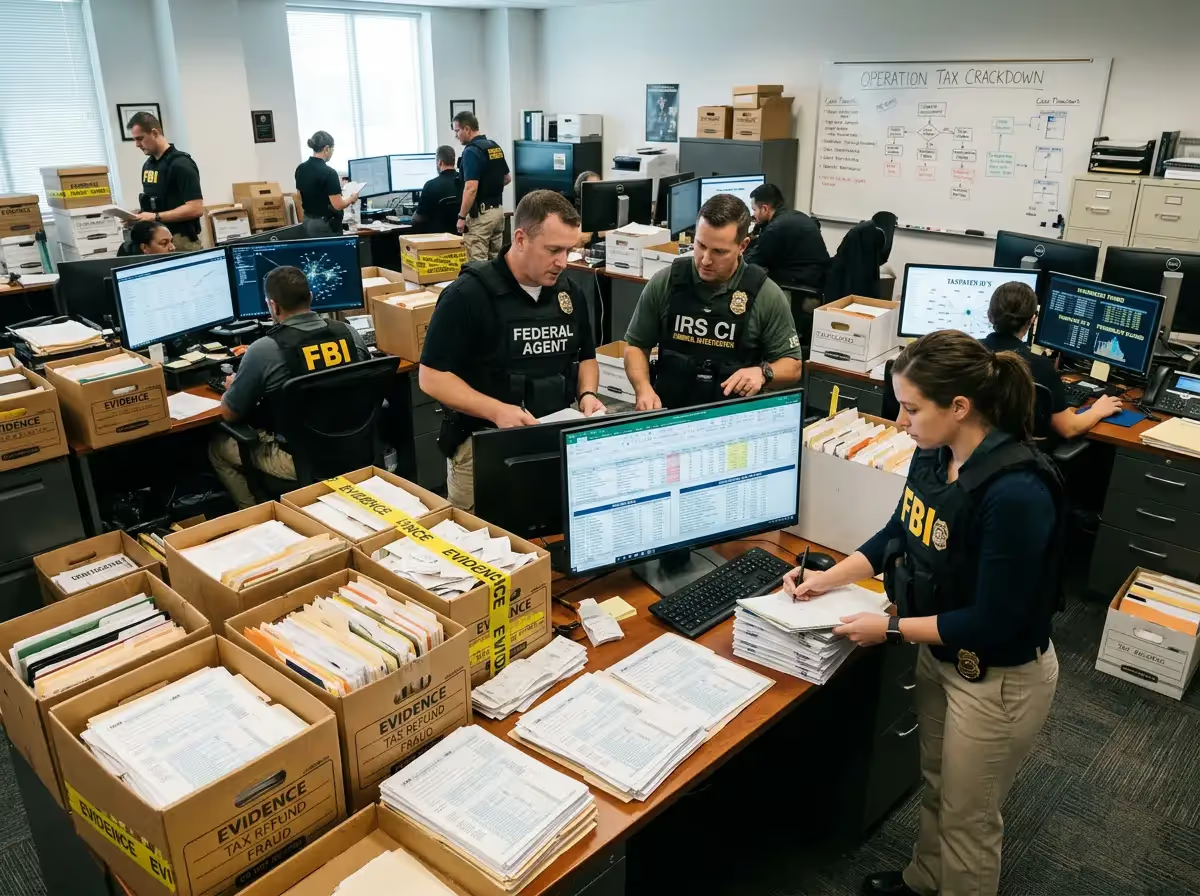
Federal prosecutors have charged multiple individuals tied to a tax refund fraud ring accused of filing fraudulent tax returns and claiming millions in false refunds. The case reflects a broader crackdown on stolen identity refund fraud as IRS Criminal Investigation intensifies enforcement efforts. Officials say the investigation underscores how organized schemes continue to exploit the federal tax system.
Prosecutors Detail Charges in Expanding Refund Fraud Case
Authorities say the fraud ring charged in this case used a coordinated scheme to file false claims for tax refund claims, launder proceeds, and exploit weaknesses in the federal tax system. Prosecutors allege that participants submitted thousands of fraudulent tax returns using stolen identities, resulting in millions in improper payments.
In one high-profile example cited by investigators, a suspect allegedly claimed tens of millions in refunds and received substantial payments before detection. The charges include wire fraud, bank fraud, and conspiracy, which are common in large-scale refund fraud prosecution efforts. Officials say these cases often involve multiple actors working together to obscure financial trails.
The case is part of a broader effort to dismantle organized tax fraud rings that rely on identity theft. These operations often stretch across state lines and involve preparers, intermediaries, and financial accounts used to move funds quickly and avoid detection.
Investigators Trace How the Tax Refund Scheme Operated
According to federal investigators, the tax refund scheme followed a familiar pattern seen in cases of stolen identity refund fraud. Criminals first obtained personal data such as Social Security numbers and dates of birth, often sourced from data breaches or underground marketplaces.
They then used this information to file fraudulent tax returns before legitimate taxpayers submitted their own filings. Many of the returns included fabricated income, inflated withholding, or false credits designed to generate large refunds. This method allows fraudsters to secure payments before detection systems flag irregularities.
Stolen Identities Drive Fraudulent Tax Returns
Investigators say stolen identities are central to most refund fraud investigation efforts. Once a return is filed using a victim’s information, the IRS system typically rejects any duplicate submission, leaving the legitimate taxpayer unable to file electronically.
Fraudulent refunds are often routed through prepaid debit cards, shell bank accounts, or digital wallets. These channels allow fraud rings to quickly access funds while making it more difficult for authorities to trace and recover stolen money.
IRS Criminal Investigation Expands Detection Efforts
IRS Criminal Investigation has increased its focus on identifying and disrupting tax refund identity theft schemes. The agency uses advanced detection systems to flag suspicious filing patterns, including multiple returns linked to a single address or unusual refund claims.
Officials claim that these tools prevent fraudulent payments before the agency issues funds. Returns flagged for review may be delayed or rejected, particularly when fraud indicators are present. The agency’s enforcement data shows a rise in financial crime investigations tied to tax refund schemes.
Financial Institutions Flag Suspicious Transactions
Banks and financial institutions also play a role in identifying fraud. Under federal reporting rules, they must flag suspicious transactions that may indicate money laundering or tax refund scams.
This collaboration between government agencies and financial institutions has improved early detection. Investigators say these reports are critical in tracking how fraud rings move funds and in building stronger cases for prosecution.
Victims Face Delays as Identity Theft Cases Rise
The impact of tax refund fraud extends beyond financial losses. Victims of tax refund identity theft often face extended delays in resolving their cases, including waiting months or even years to receive legitimate refunds.
When a fraudulent return is filed first, the IRS must investigate before releasing any funds to the rightful taxpayer. This process can also affect access to tax transcripts, loan approvals, and other financial records. Many victims experience ongoing administrative challenges during the resolution period.
Experts say the rise in identity theft and tax fraud has made early filing more important than ever. Filing promptly reduces the risk that a fraudster will submit a return first and trigger a lengthy investigation.
Authorities Urge Taxpayers to Take Preventive Steps
Federal officials continue to stress the importance of prevention in reducing refund fraud. Taxpayers are encouraged to protect personal information and monitor their IRS accounts for unusual activity throughout the year.
Using tools such as an IRS Identity Protection PIN can help block unauthorized filings. This security feature requires a unique code to be included with any return filed under a taxpayer’s Social Security number, adding an extra layer of protection.
Reporting Fraud Quickly Remains Critical
Authorities say anyone who suspects fraud should act quickly. Filing Form 14039, the Identity Theft Affidavit, allows the IRS to begin investigating and secure the taxpayer’s account.
Tax professionals also recommend checking refund status regularly and watching for signs of suspicious activity. Early reporting can reduce damage and help authorities identify broader refund fraud schemes.
Federal Crackdown Signals Broader Enforcement Push
The latest charges highlight a broader enforcement strategy aimed at dismantling organized refund fraud rings. Federal agencies have increased coordination to track fraudulent tax returns and prosecute offenders more aggressively.
Officials say stronger enforcement and increased penalties are designed to deter future schemes. As investigations expand, authorities expect more cases involving multi-million-dollar refund fraud to emerge.
Sources
- IRS Criminal Investigation details Bronx tax preparer sentenced for filing fraudulent tax returns
- IRS-CI Fiscal Year 2025 report highlights rise in tax fraud enforcement
- DOJ Tax Division outlines stolen identity refund fraud enforcement efforts
By William Mc Lee, Editor-in-Chief & Tax Expert—Get Tax Relief Now
If you need help with a tax issue discussed in this article, you can reach a licensed tax professional at Get Tax Relief Now at (888) 260-9441 or visit our contact page.
Thank you for submitting!
Start My Confidential, No-Judgment Case Review
Ready to stop penalties and garnishments? Complete the form or call/email us directly—our experts are standing by to assist.

Have a question?
+ (888) 260 9441
Write email
info@gettaxreliefnow.com
Address