Gracias por contactar
Obtenga TaxReliefNow.com!
o embargo de salario: llámenos ahora al + (88) 260 941 para obtener ayuda inmediata.



IRS amplía apoyo telefónico en español
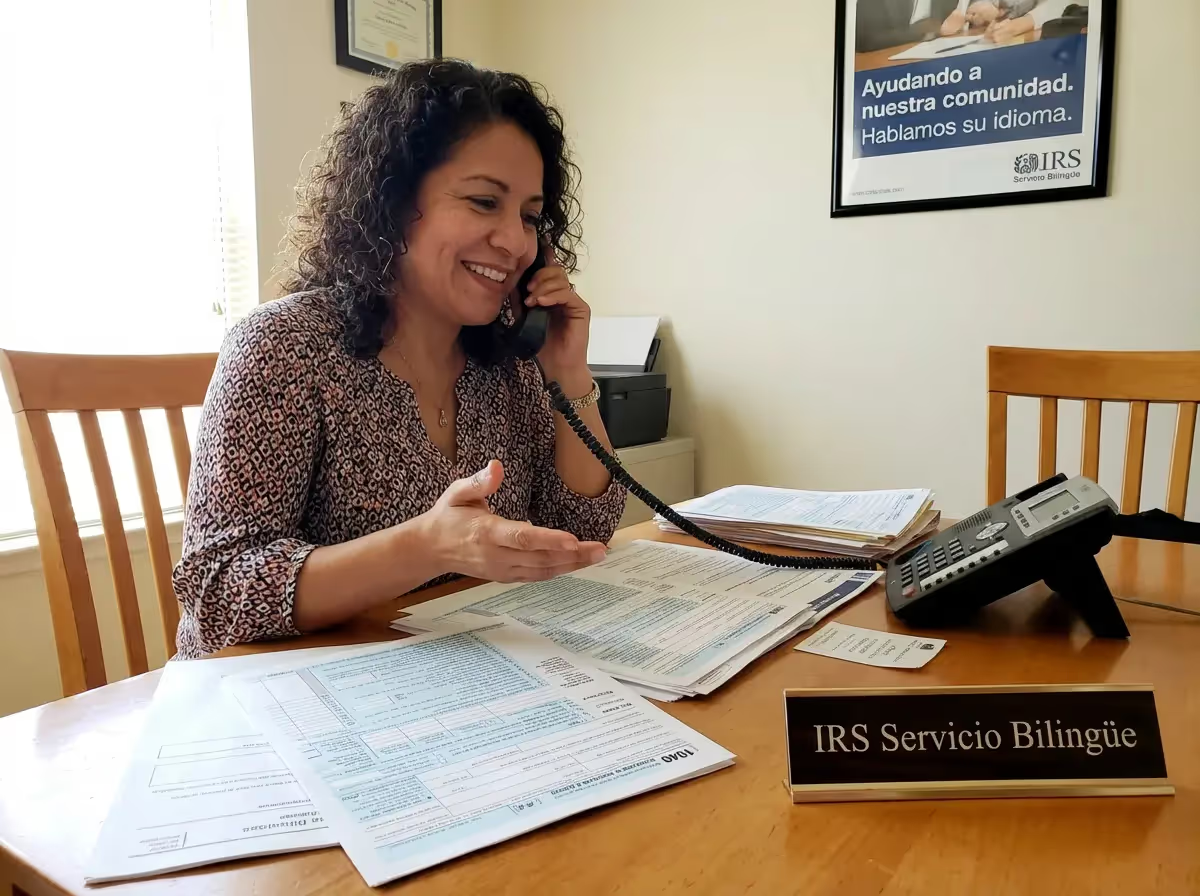
A medida que se acerca la fecha límite de presentación de impuestos de abril, los contribuyentes hispanohablantes de los Estados Unidos tienen más formas de obtener ayuda del Servicio de Impuestos Internos. La ampliación de la asistencia telefónica, los servicios en línea y los programas de asistencia bilingüe del IRS en español tienen como objetivo mejorar el acceso efectivo para los contribuyentes que no hablan inglés y necesitan ayuda para presentar una declaración de impuestos o resolver problemas tributarios.
La asistencia telefónica ampliada ayuda a los contribuyentes hispanohablantes a resolver sus problemas tributarios
Millones de contribuyentes se comunican con el IRS cada año para hacer preguntas sobre una declaración de impuestos, responder a avisos o resolver problemas tributarios. Los contribuyentes de habla hispana pueden llamar a la línea de ayuda individual para contribuyentes al 800-829-1040 para recibir asistencia en español o inglés.
A través de esta línea, los representantes ayudan a los contribuyentes a verificar el estado de los reembolsos, revisar los avisos de las cuentas, abordar los errores de presentación y aclarar las preguntas relacionadas con una declaración presentada electrónicamente. El servicio funciona de lunes a viernes de 7 a. m. a 7 p. m., hora local.
La asistencia telefónica ayuda a los contribuyentes a abordar problemas complejos de presentación
Los contribuyentes que llamen pueden recibir ayuda para comprender sus responsabilidades tributarias o corregir los errores de presentación. Los representantes también ayudan a los contribuyentes a gestionar los ajustes o compensaciones de los reembolsos.
Por ejemplo, es posible que los contribuyentes necesiten ayuda para completar el formulario 8379, Asignación por cónyuge lesionado, cuando un reembolso se reduce debido a la deuda del cónyuge mediante una compensación de reembolso. Otros pueden usar el formulario 8821 para autorizar a un representante a analizar la información de la cuenta con la agencia.
Estos servicios ayudan a los contribuyentes a comprender mejor sus derechos y responsabilidades en virtud de la Declaración de Derechos del Contribuyente al abordar los problemas tributarios.
Las líneas de apoyo empresarial ayudan a los emprendedores hispanohablantes
Los propietarios de pequeñas empresas y los contribuyentes que trabajan por cuenta propia que hablan español también pueden comunicarse con la línea de impuestos comerciales y especializados al 800-829-4933.
Esta línea proporciona orientación sobre los impuestos del empleador, los informes de nómina y las obligaciones de presentación empresarial. Para los empresarios que administran los ingresos de un trabajo por cuenta propia, el acceso a la asistencia lingüística puede evitar errores en la presentación de impuestos y resolver los problemas tributarios con mayor rapidez.
Los servicios lingüísticos amplían el acceso para personas que no hablan inglés
Si bien el español sigue siendo el servicio lingüístico más utilizado, hay interpretación disponible para muchos idiomas distintos del inglés.
Los contribuyentes que hablan otros idiomas además del inglés o el español pueden llamar al 833-553-9895 para acceder a la asistencia de un intérprete.
Los servicios de interpretación conectan a los contribuyentes en cientos de idiomas
El sistema de interpretación permite a los contribuyentes comunicarse con los representantes en más de 350 idiomas, incluido el criollo haitiano y otros idiomas ampliamente hablados.
Estos servicios de traducción permiten a los contribuyentes hablar sobre cuestiones tributarias, avisos o preguntas sobre cuentas sin tener que recurrir a intérpretes externos. La asistencia también está disponible en los centros de asistencia al contribuyente, donde los contribuyentes pueden reunirse con el personal de la agencia para resolver los problemas de presentación.
Los servicios lingüísticos funcionan bajo políticas de asistencia lingüística supervisadas por el Departamento del Tesoro e implementadas en todas las agencias del gobierno federal responsables de la administración tributaria.
Las herramientas en línea proporcionan recursos en español para la presentación y el seguimiento de reembolsos
Además de la asistencia telefónica, los servicios en línea en español se han ampliado a través de la sección en español de IRS.gov.
Estas herramientas digitales permiten a los contribuyentes revisar la información de la cuenta, presentar su declaración electrónicamente y acceder a la orientación tributaria en cualquier momento.
Las herramientas interactivas ayudan a los contribuyentes a entender las reglas de presentación
Los contribuyentes de habla hispana pueden usar el Asistente Tributario Interactivo para determinar si reúnen los requisitos para recibir créditos y deducciones antes de presentar una declaración de impuestos.
La versión en español de «¿Dónde está mi reembolso?» La herramienta ayuda a los contribuyentes a rastrear su reembolso de impuestos federales después de presentarlo. Los consejos tributarios y las actualizaciones de noticias tributarias en español también explican los plazos de presentación, los cambios tributarios y los problemas tributarios comunes que afectan a los contribuyentes cada año.
Los contribuyentes pueden revisar los registros a través de su cuenta en línea, que brinda acceso a los saldos, los pagos y las declaraciones anteriores.
Los formularios y publicaciones en español respaldan la presentación precisa
Hay alrededor de 100 formularios y publicaciones tributarias en español disponibles para los contribuyentes que prefieren la guía de presentación en español.
Los contribuyentes que respondan a las notificaciones pueden enviar documentos electrónicamente mediante la herramienta de carga de documentos del IRS. Los materiales educativos, como la Guía del contribuyente sobre el robo de identidad, explican cómo los contribuyentes pueden denunciar el fraude y proteger su información personal.
Algunos documentos provienen de las oficinas del programa, y los creadores de los documentos son responsables de garantizar que las traducciones sigan siendo precisas y accesibles.
Los formularios de preferencia de idioma permiten a los contribuyentes solicitar avisos traducidos
Los contribuyentes que desean una comunicación escrita en español pueden presentar el Anexo LEP junto con su declaración de impuestos.
Schedule LEP permite solicitudes de preferencia de idioma
El Anexo LEP permite a los contribuyentes solicitar avisos traducidos del IRS cuando estén disponibles. Al enviar el formulario, se crea una solicitud de traducción que informa a la agencia sobre la preferencia de idioma del contribuyente.
Los programas diseñados para apoyar los idiomas distintos del inglés tienen como objetivo mejorar el acceso significativo y garantizar que los contribuyentes entiendan las comunicaciones oficiales relacionadas con su declaración de impuestos.
Los programas comunitarios brindan ayuda tributaria multilingüe gratuita
Los programas comunitarios siguen desempeñando un papel importante en la prestación de asistencia lingüística.
Los programas de voluntariado ayudan a resolver problemas tributarios
El programa de asistencia voluntaria para la declaración de impuestos sobre la renta ofrece preparación gratuita de impuestos para personas que ganan $69,000 o menos, personas con discapacidades y contribuyentes con dominio limitado del inglés.
El programa de clínicas para contribuyentes de bajos ingresos ayuda a los contribuyentes a resolver disputas, auditorías u otros problemas tributarios. Las clínicas también educan a los contribuyentes sobre las protecciones que brinda la Declaración de Derechos del Contribuyente.
La asesoría fiscal para personas mayores ofrece asistencia multilingüe
El programa de asesoramiento tributario para personas mayores brinda preparación de impuestos gratuita principalmente a los contribuyentes de 60 años o más. Muchos sitios ofrecen voluntarios bilingües que ayudan a los contribuyentes a preparar una declaración de impuestos y a comprender los requisitos de presentación.
Estos programas suelen trabajar con organizaciones comunitarias para ampliar el acceso a la asistencia tributaria.
Continúan las discusiones sobre políticas y supervisión en torno al acceso a los idiomas
Los servicios lingüísticos y los programas de traducción funcionan bajo la supervisión de las oficinas de políticas federales y los grupos de defensa.
El Defensor Nacional del Contribuyente, que dirige el Servicio del Defensor del Contribuyente, informa regularmente al Congreso sobre las barreras que afectan a los contribuyentes, incluidos los desafíos lingüísticos y el acceso a los servicios.
Algunos funcionarios han expresado su preocupación por las limitaciones de recursos que afectan a los servicios de traducción y a la capacidad de las agencias para ampliar los programas de idiomas.
Las discusiones políticas también han hecho referencia al acceso al idioma en virtud de una orden ejecutiva reciente que afecta a las agencias del gobierno federal. Los administradores de programas, los propietarios del contenido y el personal de contratación trabajan con los proveedores y con el representante de un oficial de contratación para garantizar que los servicios de traducción sigan estando disponibles para los principales servicios de las agencias que ayudan a los contribuyentes.
Fuentes
- IRS — Permítanos ayudarlo
- IRS — Encuentre ayuda tributaria en varios idiomas
- IRS — Acerca del Anexo LEP
Por William McLee, editor en jefe y experto en impuestos: obtenga una desgravación fiscal ahora
Si necesita ayuda con un problema fiscal tratado en este artículo, puede comunicarse con un profesional fiscal con licencia en Get Tax Relief Now al (888) 260-9441 o visite nuestra página de contacto.
¡Gracias por enviarnos!
Iniciar mi revisión de caso confidencial y sin prejuicios
¿Listo para detener las multas y embargos? Complete el formulario o llámenos/envíenos un correo electrónico directamente; nuestros expertos están listos para ayudarle.

¿Tiene alguna pregunta?
+ (888) 260 9441
Escribir correo electrónico
info@gettaxreliefnow.com
Dirección