Para qué sirve el formulario 1099-A (2019)
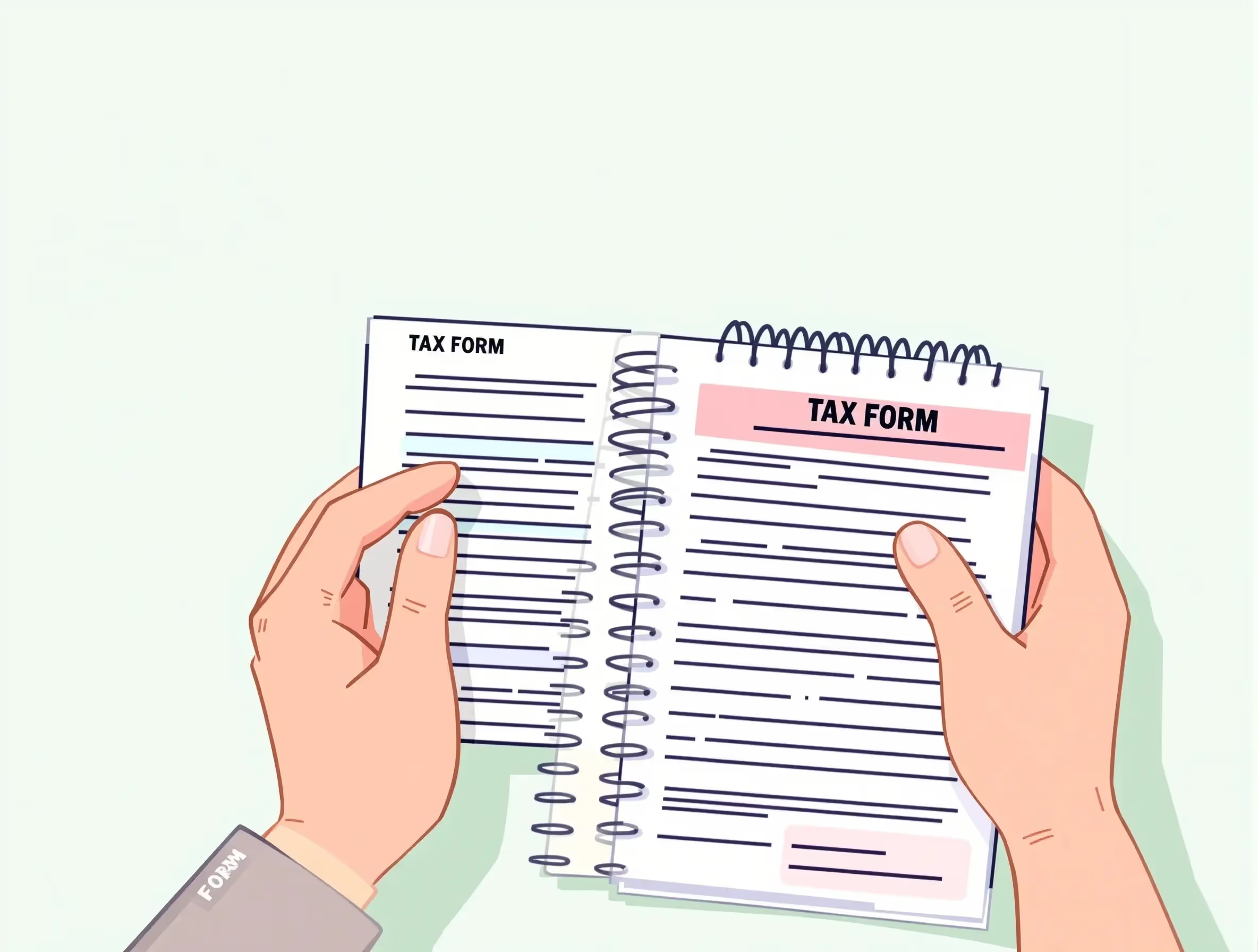
Formulario 1099-A (2019) es un formulario tributario oficial del Servicio de Impuestos Internos (IRS) que se utiliza para informar la adquisición o el abandono de una propiedad garantizada cuando un prestatario incumple o cede voluntariamente la propiedad que garantiza un préstamo. Cuando un prestamista ejecuta la hipoteca, recupera la posesión o se entera de que el prestatario ha abandonado bienes inmuebles o activos comerciales, este formulario documenta los detalles de la transacción para la declaración de impuestos.
Registra el valor justo de mercado, el saldo pendiente del préstamo y la fecha de adquisición, lo que permite que tanto el prestatario como el IRS determinen la ganancia o pérdida imponible resultante. ¿Necesita ayuda para informar o responder a una notificación del IRS? Comience la revisión de su caso con nuestro equipo hoy.
Cuándo utilizaría el formulario 1099-A (2019)
- Venta por ejecución hipotecaria: Cuando un prestamista ejecuta la hipoteca de un bien inmueble y adquiere la propiedad legal, el evento debe denunciarse al Servicio de Impuestos Internos como una adquisición o abandono de la propiedad.
- Abandono de propiedad asegurada: Cuando desaloja permanentemente una propiedad sin intención de devolverla, la institución financiera debe presentar el formulario 1099-A para reflejar el abandono de la propiedad asegurada.
- Escritura en lugar de ejecución hipotecaria: Cuando usted transfiere voluntariamente la propiedad al prestamista para satisfacer total o parcialmente la deuda, la transacción califica como adquisición por parte del prestamista.
- Disposición de propiedades comerciales o de inversión: Cuando se embargan o se entregan bienes personales tangibles o bienes inmuebles mantenidos con fines comerciales o de inversión, el requisito de presentación de informes se aplica según las normas del IRS.
- Presentaciones tardías o corregidas: Cuando se necesita un formulario corregido, el prestamista debe emitir un formulario 1099-A actualizado dentro del mismo año calendario o antes de la próxima temporada de impuestos para garantizar su precisión.
Si se enfrenta a un saldo tributario después de una ejecución hipotecaria o el abandono de una propiedad, puede calificar para varios plan de pago de impuestos opciones para ayudarlo a resolver lo que debe.
Reglas o detalles clave para el año tributario 2019
Los prestamistas y los prestatarios deben seguir varias reglas importantes para el formulario 1099-A (2019) para garantizar la presentación de informes tributarios precisos y el cumplimiento de los requisitos del IRS:
- Requisito de presentación de informes: El prestamista debe presentar el formulario 1099-A cuando adquiere o se entera de una propiedad abandonada que garantiza un préstamo, incluso si la deuda pendiente es mínima o está totalmente pagada.
- Préstamo con recurso versus préstamo sin recurso: Si el prestatario es personalmente responsable del reembolso, el valor justo de mercado de la propiedad se utiliza para determinar la ganancia o pérdida imponible; de lo contrario, el saldo total del préstamo se convierte en la cantidad obtenida.
- Coordinación del formulario 1099-C: Cuando la deuda se cancela en el mismo año calendario, el prestamista puede emitir el formulario 1099-C en lugar del formulario 1099-A para declarar la deuda cancelada y el valor justo de mercado de la propiedad.
- Determinación del valor justo de mercado: El valor justo de mercado (FMV) generalmente se basa en el precio de venta por ejecución hipotecaria o en una tasación profesional realizada cuando el prestamista adquirió la propiedad.
- Satisfacción parcial de la deuda: Cuando un prestatario transfiere una propiedad para la satisfacción total o parcial de la deuda restante, la transacción permanece sujeta a impuestos y declarable.
Si no informa sobre la disposición de su propiedad, el IRS podría recibir avisos o declaraciones individuales no presentadas, que debe resolverse para seguir cumpliendo con las normas.
Paso a paso (nivel alto)
Seguir estos pasos ayuda a garantizar que maneje correctamente el formulario 1099-A (2019) durante la temporada de impuestos:
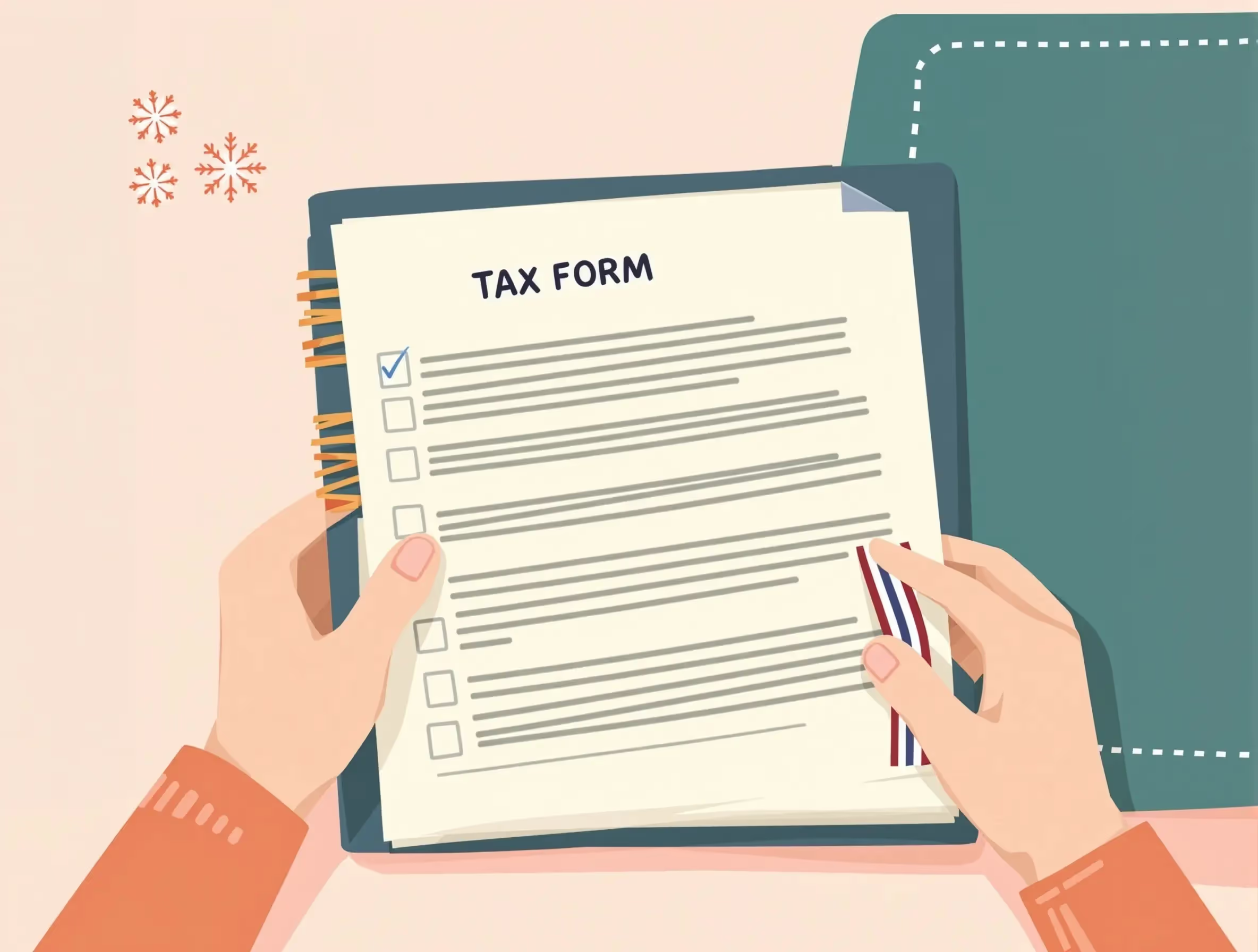
- Revise el formulario detenidamente: Confirme que el capital pendiente, la fecha de adquisición y el valor justo de mercado de la propiedad sean correctos antes de utilizar la información de su formulario de impuestos.
- Determine el tipo de propiedad: Identifique si la propiedad es propiedad real, propiedad personal tangible o propiedad intangible, ya que cada categoría tiene reglas tributarias únicas.
- Confirme el estado de la responsabilidad: Verifique si el prestatario es personalmente responsable del pago; esto afecta la forma de calcular las ganancias o pérdidas y si la deuda cancelada está sujeta a impuestos.
- Calcule la ganancia o la pérdida: Reste la base ajustada (el precio de compra original más las mejoras menos la depreciación) del valor justo de mercado o del saldo del préstamo para determinar su ganancia o pérdida imponible.
- Verifique si hay deuda cancelada: Si el prestamista cancela la deuda restante, declare la deuda cancelada como ingreso ordinario, a menos que se apliquen exclusiones como la deuda de residencia principal calificada.
- Preséntese correctamente en su declaración de impuestos: Use el Anexo D para propiedades de uso personal o el Formulario 4797 para propiedades comerciales, asegurándose de cumplir con los requisitos de presentación de informes del IRS para el estado de cada propiedad.
- Mantenga una documentación precisa: Guarde registros como el aviso de adquisición del prestamista, la prueba de los costos de la ejecución hipotecaria y los estados de deuda del año anterior para su verificación por parte del IRS, si es necesario.
Si prefiere que lo represente un profesional de impuestos, cree un Poder notarial para asuntos tributarios puede agilizar las comunicaciones con el IRS.
Errores comunes y cómo evitarlos
Comprender estos errores comunes puede ayudar a prevenir errores de presentación, reducir la obligación tributaria y garantizar el cumplimiento de los requisitos de presentación de informes del IRS para el formulario 1099-A (2019):
- Haciendo caso omiso del requisito de presentación de informes: No informar sobre la adquisición o el abandono puede provocar una notificación del IRS; siempre debe incluir la disposición de la propiedad en su declaración de impuestos.
- Olvidar los ajustes de depreciación: Si la propiedad se usó con fines comerciales o de inversión, reduzca la base ajustada según la depreciación relacionada con la deuda del año anterior para evitar exagerar su pérdida.
- Uso de un valor justo de mercado incorrecto: Utilice el valor justo de mercado (FMV) que figura en el formulario 1099-A, a menos que tenga pruebas claras y convincentes, como una tasación independiente, que demuestre un valor diferente.
- Omitir los ingresos por deudas canceladas: Si el prestamista cancela el capital pendiente, declare la deuda cancelada como ingreso ordinario, a menos que califique para una exclusión, como la deuda de residencia principal calificada.
Los contribuyentes que cometen errores pueden ser elegibles para el IRS programas de reducción de sanciones, reduciendo o suprimiendo las sanciones por causa razonable.
Qué sucede después de presentar el formulario 1099-A (2019)
Después de presentar el formulario 1099-A (2019), el Servicio de Impuestos Internos compara su declaración con los registros de adquisiciones del prestamista para verificar su exactitud. Si las cifras declaradas no coinciden, es posible que reciba una notificación solicitando una aclaración o un ajuste. Conservar toda la documentación justificativa, como el valor justo de mercado de la propiedad, el importe de la deuda cancelada y los estados de cuenta del préstamo relacionados, garantiza que puedes fundamentar tu declaración.
Si recibe una notificación del IRS después de presentar el formulario 1099-A, comprenda la Proceso de cobro del IRS puede ayudarlo a responder de manera adecuada.
Preguntas frecuentes
¿Tengo que presentar el formulario 1099-A (2019) si no adeudaba la deuda restante?
Sí, incluso si no existe ninguna deuda pendiente, debe informar el estado de la propiedad adquirida por el prestamista en su declaración de impuestos. El Servicio de Impuestos Internos utiliza esta información para confirmar la correcta declaración de las ganancias o pérdidas derivadas de la adquisición o el abandono.
¿Se pueden emitir el formulario 1099-A y el formulario 1099-C en el mismo año calendario?
Sí, ambos pueden emitirse si el prestamista ejecuta la hipoteca de la propiedad y luego cancela la deuda restante en el mismo año calendario. En ese caso, asegúrese de no declarar la transacción dos veces en su declaración de impuestos.
¿Cómo calculo las ganancias o pérdidas del formulario 1099-A (2019)?
Para calcular la ganancia o la pérdida, reste la base ajustada (precio de compra original más las mejoras menos la depreciación) del valor justo de mercado de la propiedad o del saldo pendiente del préstamo, según si el préstamo fue con recurso o sin recurso.
¿El formulario 1099-A se aplica tanto a propiedades personales como de inversión?
Sí, el formulario 1099-A se aplica a la propiedad personal, la propiedad comercial y la propiedad de inversión. El tratamiento tributario depende del uso de la propiedad, como la residencia personal, la deuda empresarial o de inversión, o los bienes inmuebles utilizados con fines comerciales.