


Problemas fiscales en New Hampshire: Listas de verificación de ejecución

Comienza tu
New Hampshire
Ruta de la lista de verificación fiscal
Si se enfrenta a un problema fiscal en New Hampshire, tomar medidas a tiempo puede ayudar a reducir las sanciones y evitar la ejecución. Utilice las listas de verificación anteriores para encontrar su camino, ya sea que su preocupación involucre facturas de impuestos sobre la propiedad, impuestos empresariales u otras obligaciones dentro del código fiscal estatal.
Cómo
New Hampshire
Aplicación de Impuestos (Panorama General)
El Departamento de Administración de Ingresos de New Hampshire (NHDRA) gestiona los impuestos a nivel estatal, incluyendo los impuestos empresariales y el Impuesto sobre Intereses y Dividendos. Los gobiernos locales se encargan de la recaudación de impuestos sobre la propiedad, incluyendo el establecimiento de las tasas de impuestos sobre la propiedad y la emisión de facturas de impuestos sobre la propiedad basadas en el valor tasado de la propiedad. En algunos casos, los problemas del IRS federal pueden superponerse, especialmente para las preocupaciones fiscales relacionadas con las empresas.
- Se emite una evaluación o notificación.
- El saldo entra en mora.
- Comienzan las acciones de cobro.
- Se aplican herramientas de ejecución.
- Gravámenes fiscales
- Embargos bancarios
- Embargo de bienes
- Suspensión de licencia o permiso
- Ventas de gravámenes de impuestos sobre la propiedad (a nivel local)
Los contribuyentes pueden impugnar las evaluaciones a través de una revisión administrativa, apelando ante la Junta de Apelaciones de Impuestos y Tierras de New Hampshire, o presentando una acción judicial. Estas listas de verificación le ayudan a comprender su situación y qué hacer a continuación.
Elige tu
New Hampshire
Tipo de problema fiscal
Seleccione la categoría que mejor se adapte a su situación. Cada camino conduce a una lista de verificación específica que refleja la estructura fiscal única de New Hampshire, incluyendo impuestos sobre la propiedad, empresariales y locales. Estos centros de listas de verificación le ayudan a actuar rápidamente sin complejidad innecesaria.

Problemas con los impuestos de nómina de New Hampshire (Empleadores)
Para:
- Empleadores
- Dueños de negocios
- Directivos corporativos
- Personas responsables
Nuevo Hampshire no impone un impuesto tradicional sobre la renta salarial, pero los empleadores aún enfrentan obligaciones relacionadas con los impuestos de desempleo y el cumplimiento de la nómina federal. Pueden surgir problemas por la clasificación errónea de trabajadores, errores en la presentación de informes o la falta de remisión de las cantidades requeridas. En ciertos casos, las personas responsables pueden incurrir en responsabilidad personal, especialmente cuando manejan incorrectamente o no declaran los fondos relacionados con la nómina.

Problemas con el Impuesto sobre las Ventas de Nuevo Hampshire (Comerciantes)
Para:
- Minoristas
- Restaurantes
- Vendedores en línea
- Negocios basados en servicios
Nuevo Hampshire no tiene un impuesto general sobre las ventas, lo cual es una parte clave de su estructura fiscal y su clasificación en el Índice de Competitividad Fiscal Estatal. Sin embargo, las empresas deben recaudar y remitir el Impuesto sobre Comidas y Habitaciones. Se pueden realizar auditorías si las declaraciones faltan o son inconsistentes, y se pueden emitir evaluaciones estimadas. El incumplimiento puede dar lugar a acciones de cumplimiento, incluidos embargos o consecuencias relacionadas con permisos.
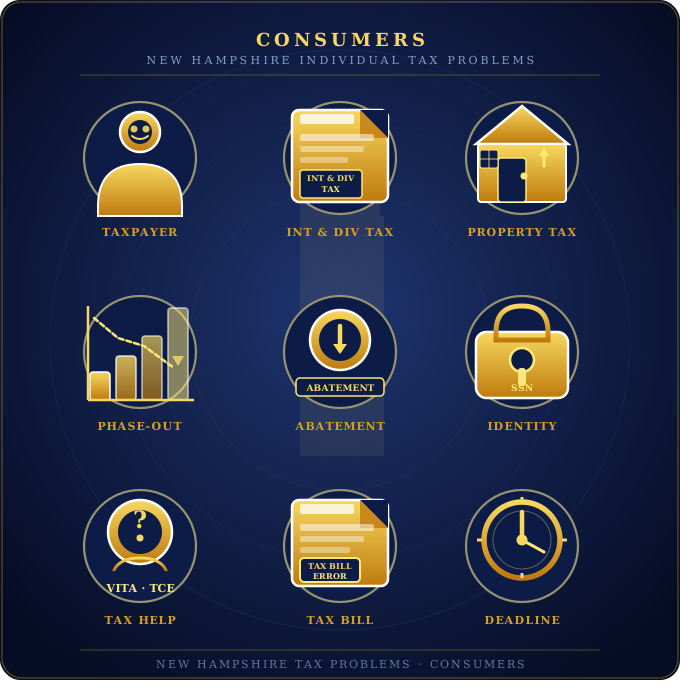
Problemas Fiscales Individuales de Nuevo Hampshire (Consumidores)
Para:
- Empleados W-2
- Jubilados
- Trabajadores autónomos y de plataformas
La mayoría de las personas no pagan un impuesto sobre la renta estándar en New Hampshire, pero algunas aún pueden estar sujetas al impuesto sobre intereses y dividendos, dependiendo del tipo de ingresos y del año fiscal. Los problemas a menudo incluyen declaraciones no presentadas, facturas de impuestos incorrectas o confusión durante la eliminación gradual del impuesto. Los impuestos sobre la propiedad también son una preocupación importante, especialmente para los propietarios que se enfrentan al aumento del valor de las propiedades y de las tasas de impuestos locales. Las opciones de alivio pueden incluir exenciones o programas locales de alivio del impuesto sobre la propiedad. Recursos de apoyo como la Asistencia Voluntaria para la Preparación de Impuestos (VITA) y el Asesoramiento Fiscal para Personas Mayores (TCE) pueden ayudar a los contribuyentes elegibles a gestionar los requisitos de cumplimiento.
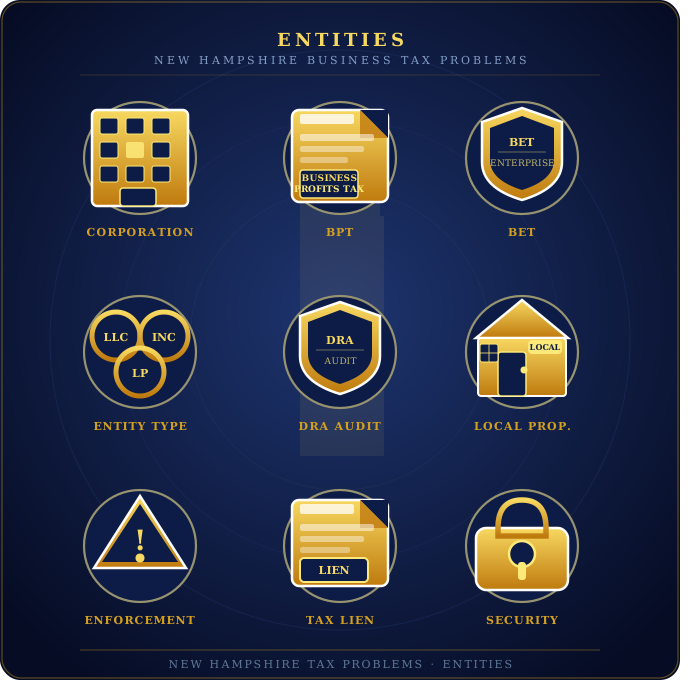
Problemas fiscales empresariales en New Hampshire (Entidades)
Para:
- LLC
- Corporaciones
- Sociedades
- Organizaciones sin fines de lucro
Las empresas en New Hampshire deben cumplir con el Impuesto sobre las Ganancias Empresariales (BPT) y el Impuesto sobre las Empresas (BET), además de los impuestos específicos de la industria. Si el Departamento de Administración de Ingresos encuentra inconsistencias, puede revisar las declaraciones o realizar auditorías. Los impuestos locales sobre la propiedad también pueden afectar las operaciones comerciales, especialmente para las empresas con importantes propiedades. El incumplimiento puede dar lugar a sanciones, intereses y acciones de cobro, lo que aumenta el riesgo financiero.