


Washington, D.C. Tax Problems: Enforcement Checklists
%20(1)%20(1).avif)
Start Your
Washington
Tax Checklist Path
Tax problems in Washington, D.C. can escalate quickly, especially during tax filing season or after a tax audit. Acting early allows taxpayers to explore payment plans, resolve disputes, or request relief before enforcement intensifies. Use the checklist paths above to identify your issue and take the next step toward resolving your D.C. tax situation.
How
Washington
Enforces Taxes (High-Level Overview)
The D.C. Office of Tax and Revenue (OTR), operating under the Office of the Chief Financial Officer, is responsible for administering and collecting taxes. Often, federal tax law and IRS enforcement may overlap, especially when income reporting or audit findings impact both federal and local tax obligations.
- An assessment or notice is issued.
- The balance becomes delinquent.
- Collection enforcement actions begin.
- Enforcement tools are applied.
- Tax lien
- Wage or bank levy
- Wage garnishment
- Property tax lien
- Business license revocation (Clean Hands requirement)
- Refund interception
Taxpayers may challenge assessments or enforcement actions through the D.C. Office of Administrative Hearings or the D.C. Tax Appeals Commission. Understanding your rights under D.C. tax law and using the correct checklist can help you respond before issues escalate into litigation.
Choose Your
Washington
Tax Problem Type
Select the category below that best matches your situation. Each section connects you to a checklist hub designed to guide Washington D.C. taxpayers through compliance issues, audits, and collection enforcement based on their specific tax problem.
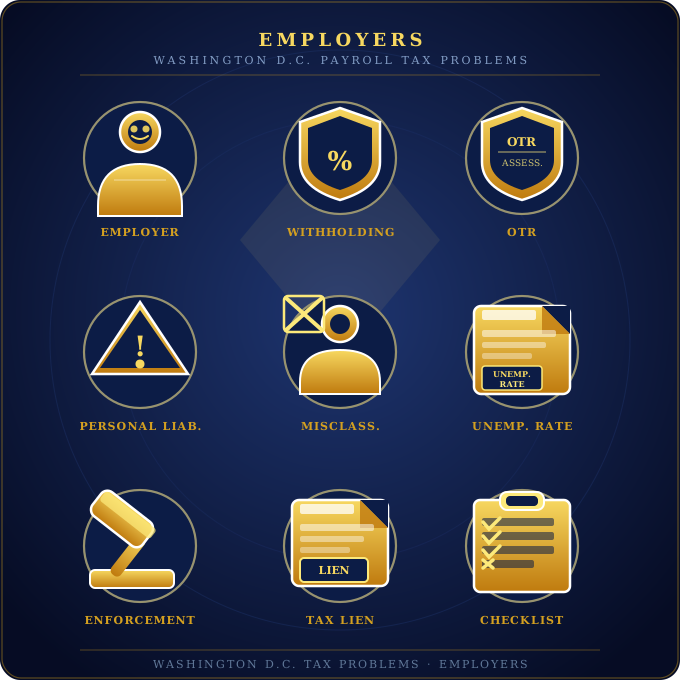
Washington, D.C. Payroll Tax Problems (Employers)
For:
- Employers
- Business owners
- Corporate officers
- Responsible persons
Employers in Washington, D.C., must withhold and remit income taxes through the D.C. Office of Tax and Revenue. Failure to comply can result in penalties and personal liability for responsible persons. Issues may also involve worker classification or unemployment insurance rate reporting. OTR can assess unpaid payroll tax liabilities and pursue collection enforcement actions directly against business owners or officers.
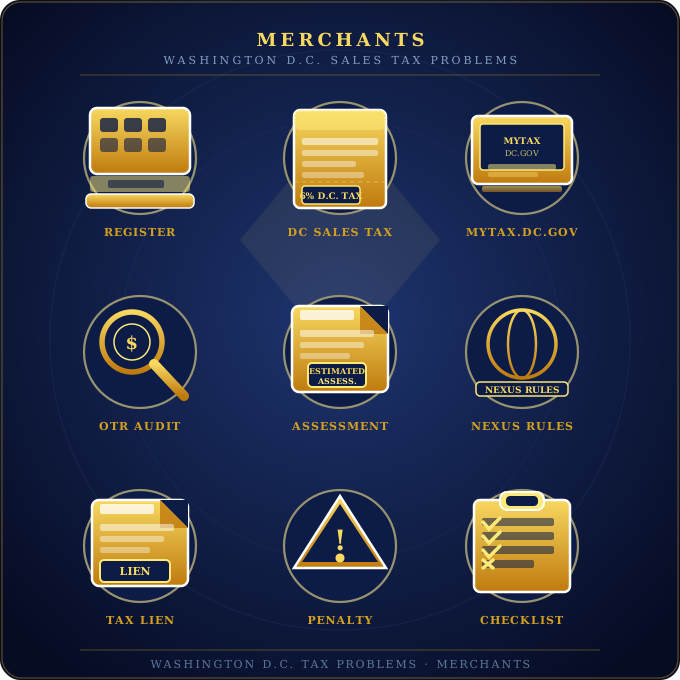
Washington, D.C. Sales Tax Problems (Merchants)
For:
- Retailers
- Restaurants
- Online sellers
- Service-based businesses
Businesses subject to D.C. sales and use taxes must collect and remit taxes accurately through systems like MyTax.D.C.gov. OTR may initiate a tax audit or issue estimated assessments if records are incomplete or filings are missing. Economic nexus or physical nexus rules may apply to online sellers. Noncompliance can lead to penalties, tax lien filings, and aggressive collection enforcement.
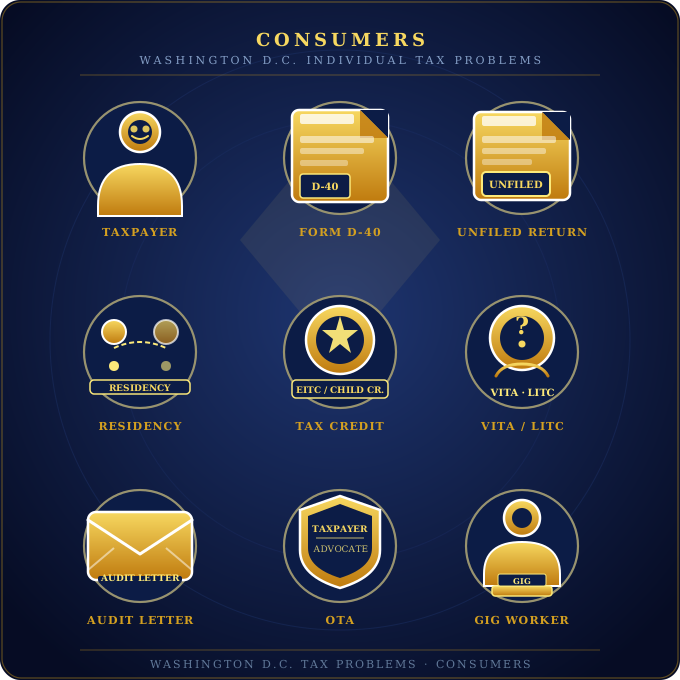
Washington, D.C. Individual Tax Problems (Consumers)
For:
- W-2 employees
- Retirees
- Freelancers and gig workers
Individual taxpayers in Washington, D.C. may face issues such as unfiled income tax returns, unpaid tax liabilities, or receiving a tax audit letter. Residency complications, especially for active-duty military members under federal guidance, can affect filings. The district offers tax credits such as the earned income tax credit and child tax credit, but eligibility depends on proper compliance. Support is available through VITA programs, Low-Income Taxpayer Clinics, and the Office of the Taxpayer Advocate
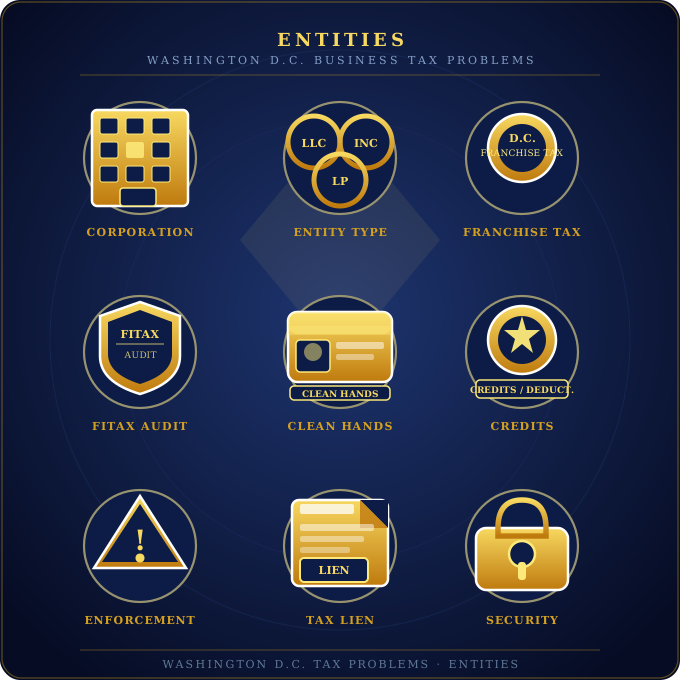
Washington, D.C. Business Tax Problems (Entities)
For:
- LLCs
- Corporations
- Partnerships
- Nonprofits
Business entities in Washington, D.C., must comply with D.C. franchise tax, sales tax, and other local tax obligations. The Office of Tax and Revenue may review FITAX during audits or compliance checks, especially when taxpayers claim tax credits or deductions. Failure to meet requirements can lead to increased tax liabilities, enforcement actions, and restrictions under Clean Hands rules that affect licensing and contracts.