


South Carolina Tax Problems: Enforcement Checklists

Start Your
South Carolina
Tax Checklist Path
South Carolina tax issues can escalate quickly once enforcement begins, especially when tax liability continues to grow. Acting early can help you explore tax relief options, resolve compliance issues, and avoid more severe collection actions. Use the checklist paths above to identify your situation and take the next step before enforcement becomes more aggressive.
How
South Carolina
Enforces Taxes (High-Level Overview)
The South Carolina Department of Revenue (SCDOR) is responsible for administering income, sales, and other state taxes. In some cases, enforcement may overlap with federal actions if your federal tax liability is also unresolved. Once an assessment is made, the agency begins tax return processing, reviews, and collection actions in accordance with state tax laws.
- An assessment or notice is issued.
- The balance becomes delinquent.
- Collection actions begin.
- Enforcement tools are applied.
- Tax liens
- Bank levies
- Wage garnishment
- Property seizure
- Retail license revocation
- State refund interception through setoff programs
If you disagree with an assessment, you may request a review or appeal through the South Carolina Administrative Law Court or seek help from a Taxpayer Advocate in cases of undue hardship. This page directs you to the right checklist so you can respond before enforcement actions escalate.
Choose Your
South Carolina
Tax Problem Type
Select the category that best matches your situation to access the appropriate checklist. Each path connects you to targeted tax relief options and guidance based on how the South Carolina Department of Revenue enforces different types of tax problems.
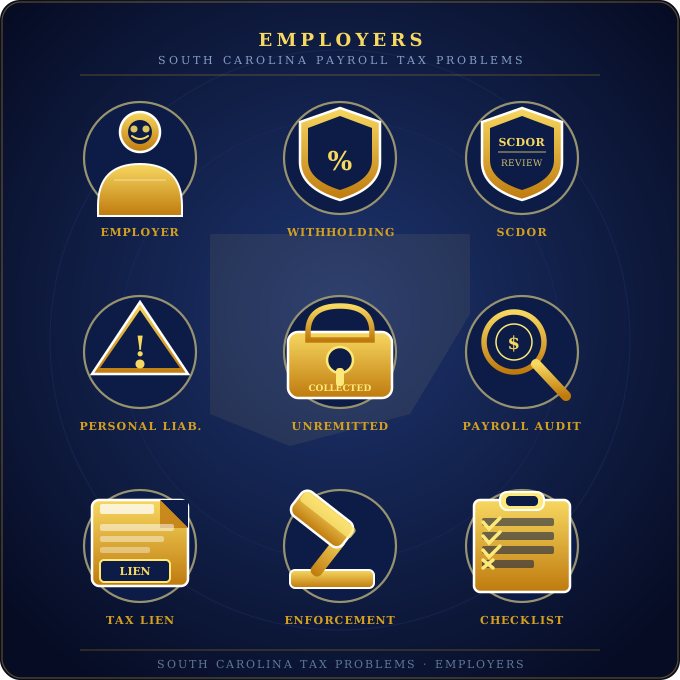
South Carolina Payroll Tax Problems (Employers)
For:
- Employers
- Business owners
- Corporate officers
- Responsible persons
South Carolina employers must withhold and remit employee income tax to the state. Failure to meet these obligations can result in significant tax liability and penalties. The South Carolina Department of Revenue may hold responsible individuals personally liable, especially when funds were collected but not remitted, and it may review payroll classifications during enforcement.
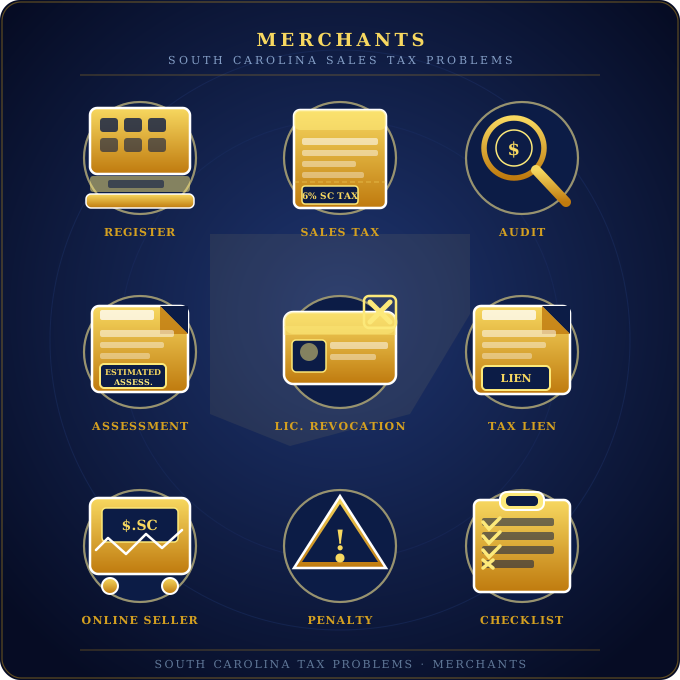
South Carolina Sales Tax Problems (Merchants)
For:
- Retailers
- Restaurants
- Online sellers
- Service-based businesses
Sales tax issues often arise from audits, incomplete records, or underreported tax revenue. The South Carolina Department of Revenue may issue estimated assessments if filings are missing or inaccurate. Businesses that fail to comply risk enforcement actions such as license revocation or collection efforts that can directly impact operations and cash flow.
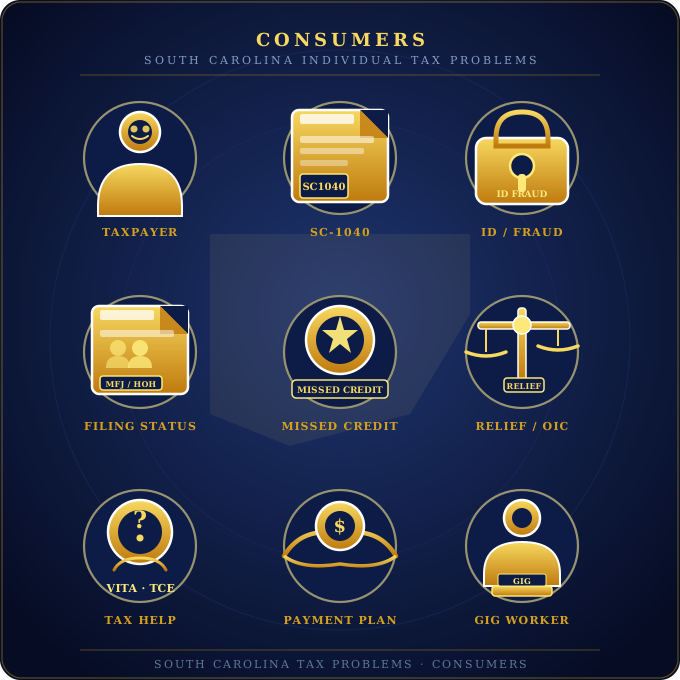
South Carolina Individual Tax Problems (Consumers)
For:
- W-2 employees
- Retirees
- Freelancers and gig workers
Individual taxpayers may face issues with unfiled returns, unpaid balances, or errors in reporting taxable income. Problems can also involve missed credits, incorrect filing statuses (such as Head of Household or Married Filing Jointly), or identity theft and tax refund fraud. Support may be available through VITA or TCE programs, and options such as Innocent Spouse Relief or an Offer in Compromise may apply in hardship situations.
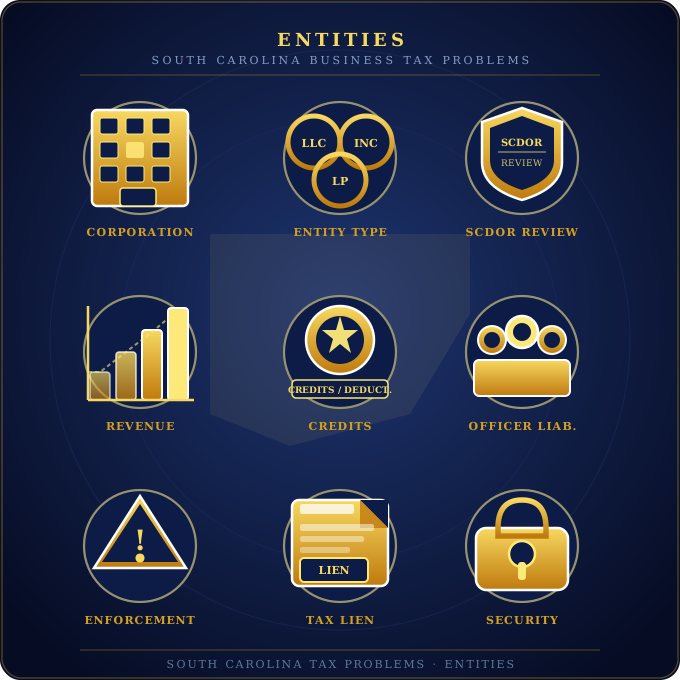
South Carolina Business Tax Problems (Entities)
For:
- LLCs
- Corporations
- Partnerships
- Nonprofits
Business entities must comply with multiple tax obligations, including income tax, sales tax, and withholding requirements. The South Carolina Department of Revenue may conduct audits or compliance reviews to verify the accuracy of reporting. While certain credits or deductions may reduce taxable income, failure to comply can lead to penalties, liens, and enforcement actions affecting both the business and its responsible parties.