Thank you for contacting
GetTaxReliefNow.com!
or wage garnishment — call us now at +(888) 260 9441 for immediate help.



Texas Freelance Taxes 2026 Bring New Federal Reporting Rules
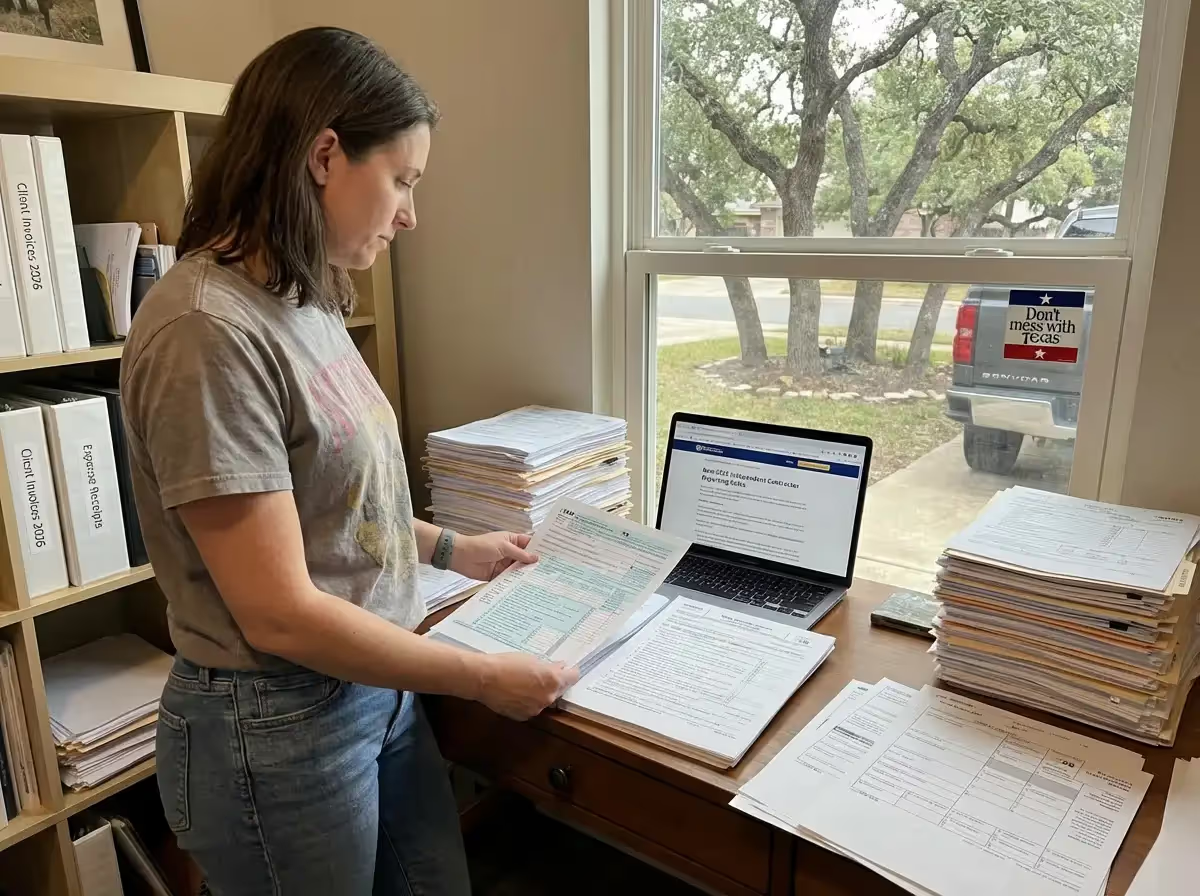
In 2026, Texas freelance taxes will introduce significant federal reporting changes for gig workers, independent contractors, and other self-employed individuals. While Texas residents still do not pay state income taxes, updated 1099 rules and unchanged self-employment tax requirements mean freelancers must continue to manage their federal income tax obligations carefully under US tax laws.
Federal Reporting Rules Change in 2026
Beginning with payments made in 2026, businesses will only be required to issue Form 1099-NEC to an independent contractor when total annual payments reach $2,000. This replaces the long-standing $600 reporting threshold and was enacted under the One Big Beautiful Bill Act. The rule applies nationwide, including to Texas-based freelancers and gig workers.
The higher threshold reduces paperwork for businesses but does not change tax responsibilities for workers. Freelancers must still report all gross income earned during the year, even if they do not receive any 1099 forms. This income remains subject to federal income tax and self-employment tax, regardless of how the client reports it on their tax return.
Income Reporting and Filing Requirements
Self-employed workers with net earnings of $400 or more must file a federal tax return using Form 1040. Most freelancers report freelance income and business expenses on Schedule C, which determines taxable income before deductions or credits are applied. Filing status and applicable federal income tax rates determine how income tax is calculated.
In addition to income tax, freelancers must pay self-employment taxes, which cover Social Security and Medicare taxes. The combined tax rate remains 15.3 percent, reflecting both the employee and employer shares. These taxes directly impact total tax liability and should be taken into account when estimating the total tax for the year.
Estimated Payments and Ongoing Obligations
Many Texas freelancers are required to make estimated tax payments during the year. Estimated tax generally applies when a taxpayer expects to owe $1,000 or more in taxes at the time of filing. These payments help cover income tax and self-employment tax, reducing the risk of penalties.
Although Texas does not impose state income taxes, freelancers may still face other state-level requirements. Those selling taxable goods or services may need to register with the Texas Comptroller and adjust payroll systems or accounting processes to handle sales tax collection when applicable.
Deductions, Credits, and Tax Planning
Business expenses remain one of the most effective ways to reduce taxable income. Standard deductions include the home office deduction, business meals, travel and lodging expenses, and the use of the standard mileage rate. Freelancers also have the option to choose between standard and itemized deductions when calculating their taxable income.
Some tax credits may be applicable depending on personal circumstances, and IRA distributions can also impact the total tax in retirement planning scenarios. Freelancers are encouraged to use IRS tools or financial calculators to estimate how deductions and credits affect their overall tax position.
What Texas Freelancers Should Do Now
The key takeaway from Texas freelance taxes 2026 is that fewer 1099 forms do not reduce federal tax obligations. Self-employed workers should continue to track income tied to their Social Security number, plan for estimated payments, and review deductions that affect their total tax owed.
Staying informed through official IRS guidance or working with a tax professional can help freelancers remain compliant as federal reporting rules change.
Sources
- Internal Revenue Service, Gig Economy Tax Center
- Internal Revenue Service, Self-Employed Tax Guide (Publication 334)
By William Mc Lee, Editor-in-Chief & Tax Expert—Get Tax Relief Now
If you need help with a tax issue discussed in this article, you can reach a licensed tax professional at Get Tax Relief Now at (888) 260-9441 or visit our contact page.
Thank you for submitting!
Start My Confidential, No-Judgment Case Review
Ready to stop penalties and garnishments? Complete the form or call/email us directly—our experts are standing by to assist.

Have a question?
+ (888) 260 9441
Write email
info@gettaxreliefnow.com
Address