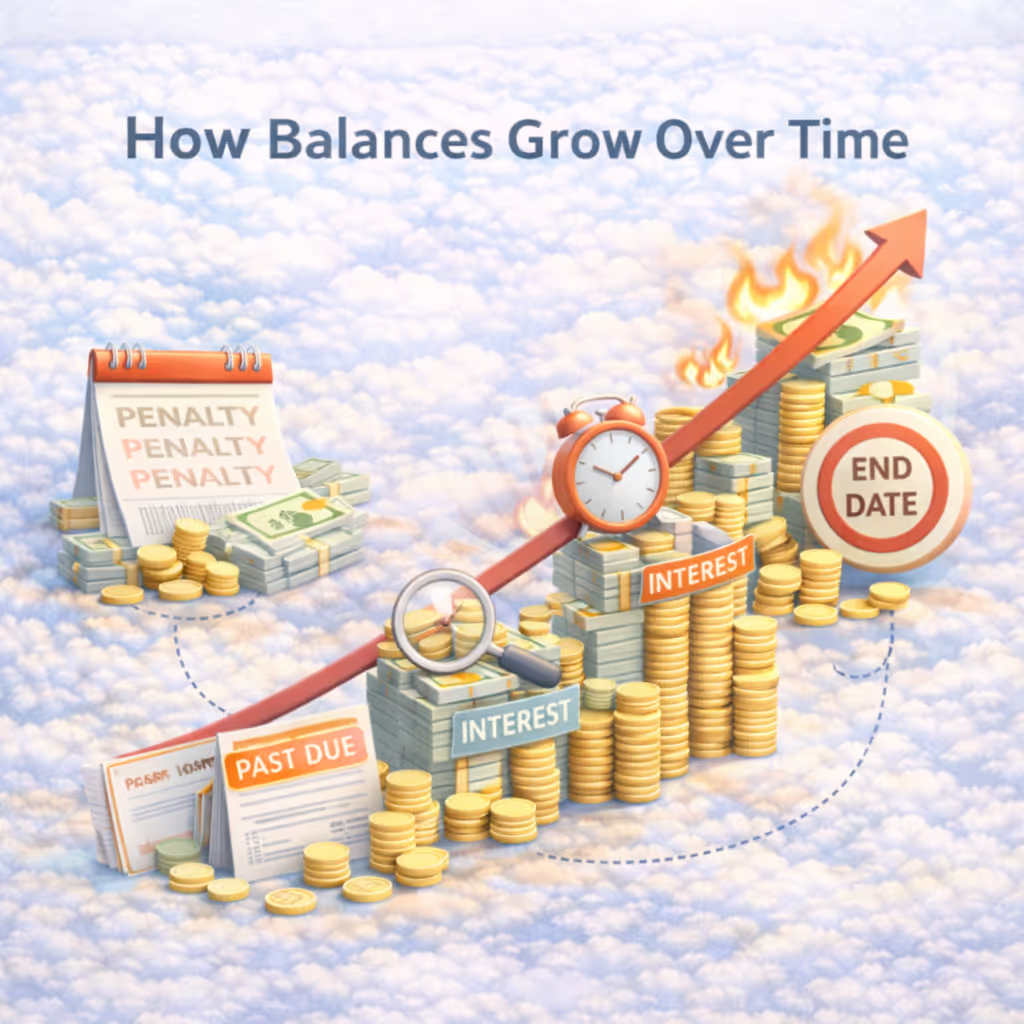
This means IRS penalties and interest may have begun accruing under federal tax law, including penalties for failure to file or pay, with interest compounding daily based on IRS rates set quarterly. While early-stage balances do not always trigger immediate enforcement, delays can significantly increase the total amount owed and raise the likelihood of future IRS notices or further review.
If you owed unpaid taxes for tax year 2024 and the balance from your tax return or income tax returns wasn’t fully resolved by the IRS due date, IRS penalties and interest may have begun to accrue. While most of the long-term financial impact is still preventable, penalties may already be applying, and IRS interest may be compounding automatically under the Internal Revenue Code. This Penalty and Interest Calculator provides an estimate of how penalties and interest on the past-due tax may be affecting your total federal tax debt for tax year 2024.


If your results show meaningful wage garnishment exposure, delaying action usually benefits the IRS — not you.
Understanding your numbers early helps you make informed decisions before each paycheck is affected.