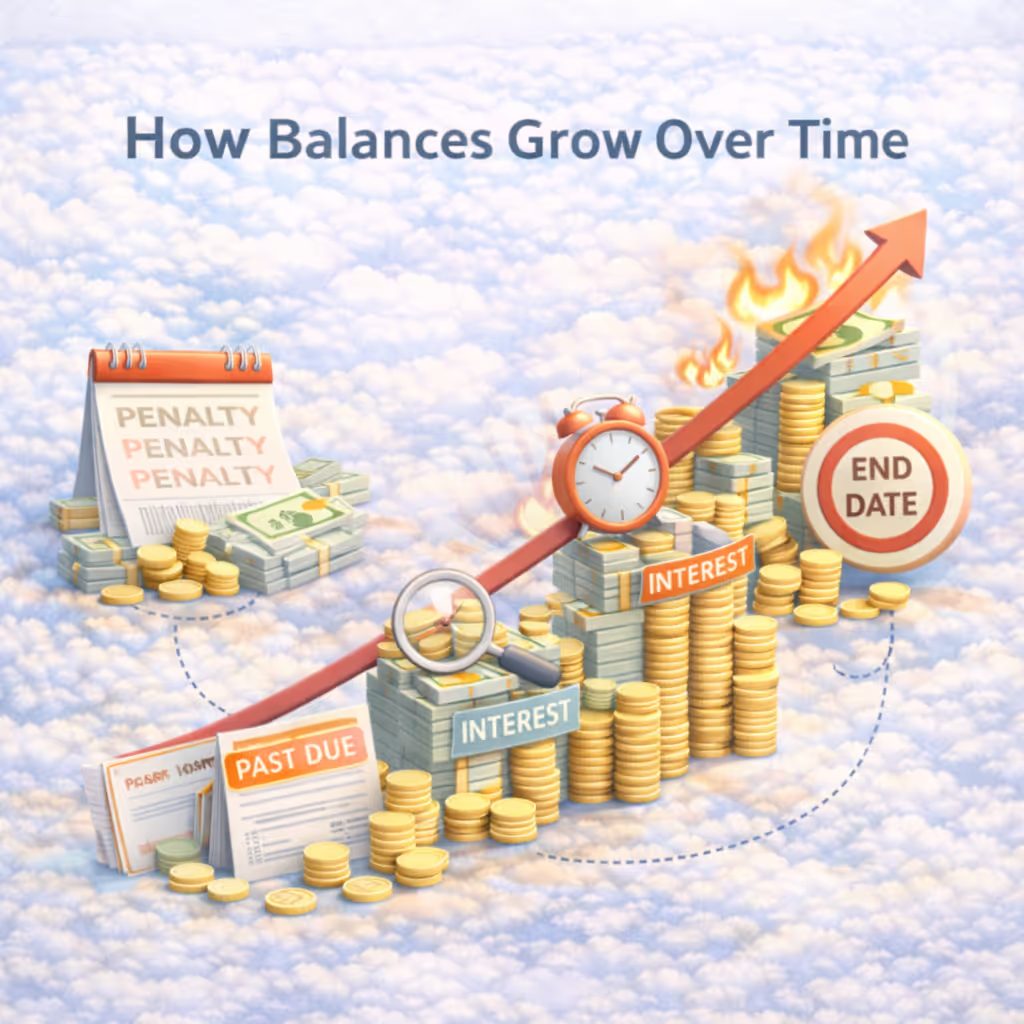
This means penalties and interest may have been assessed under federal tax law, including late-filing and failure-to-pay penalties, with interest accruing daily on unpaid taxes and penalties at rates set by the IRS. Over time, interest can become a significant portion of the balance, and while enforcement may not be immediate, leaving the year unresolved can reduce eligibility for penalty relief or other tax relief options.
If you owed unpaid taxes for tax year 2023 and the balance from your tax return or income tax return was not fully resolved by the tax filing deadline, penalties and interest may already be increasing the total tax due. Interest rates apply automatically under the Internal Revenue Code, and penalties may apply for failure to file or failure to pay, even when a tax extension or extension of time to file was requested.


If your results show meaningful wage garnishment exposure, delaying action usually benefits the IRS — not you.
Understanding your numbers early helps you make informed decisions before each paycheck is affected.