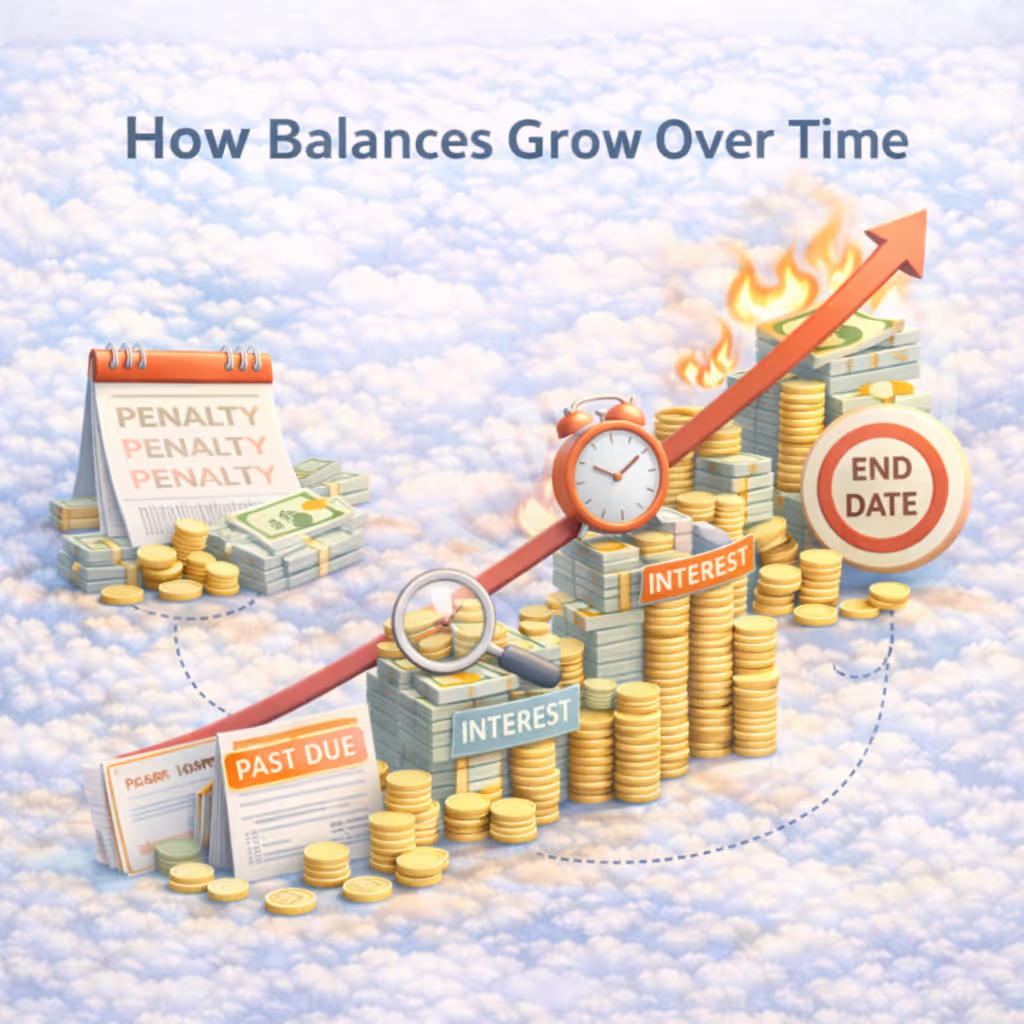
This means penalties and interest related to tax year 2022 may have been assessed under federal tax law and added to balances from earlier unresolved years, increasing the total amount owed. Interest may have continued accruing daily across multiple years at IRS rates updated quarterly, causing costs to grow faster than expected. Because 2022 is often reviewed as part of a consolidated account, unresolved balances from this year can affect compliance evaluations, eligibility for tax relief, and potential enforcement exposure.
If you owed unpaid taxes for tax year 2022 and the balance from your income tax return or other tax returns was not fully resolved by the tax filing deadline, penalties and interest may now carry more weight than expected. For many taxpayers, 2022 marked the point where unresolved balances from multiple years began to be evaluated together by the Internal Revenue Service rather than reviewed in isolation.


If your results show meaningful wage garnishment exposure, delaying action usually benefits the IRS — not you.
Understanding your numbers early helps you make informed decisions before each paycheck is affected.