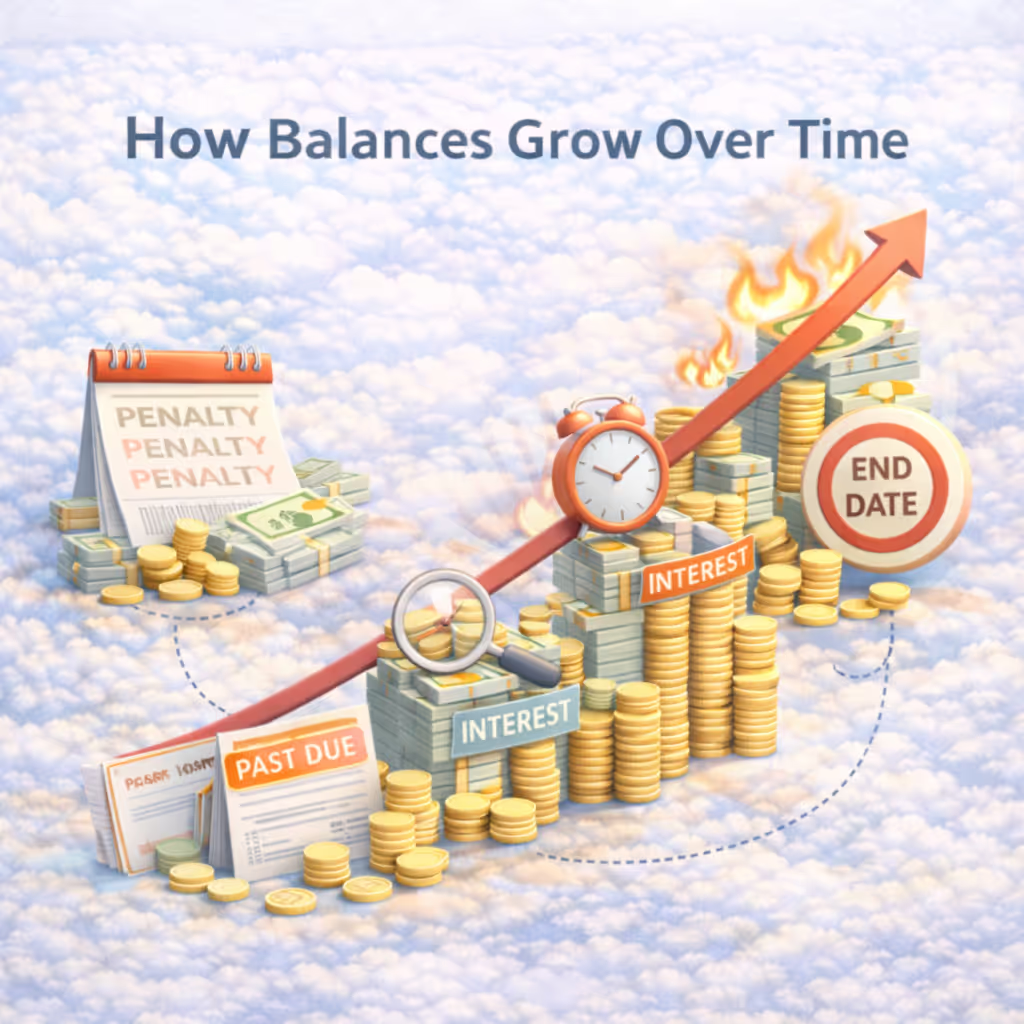
This means penalties and interest may have been applied to an unpaid 2015 tax balance even if the return was filed on time, as penalties begin once the payment due date passes. Interest accrued on both unpaid tax and assessed penalties regardless of enforcement activity, often causing balances to grow steadily without obvious warning. As a result, unresolved 2015 balances frequently appear much larger when reviewed later through IRS account records or transcripts.
Tax year 2015 is strongly associated with underpayment problems, especially among taxpayers whose withholding or estimated payments did not match their actual income tax liability. Many people believed they were close enough or planned to catch up later. Instead, penalties and interest began accruing early and continued quietly over time.
This page and calculator explain why 2015 balances often shocked taxpayers, how penalties and interest accumulate after underpayment, and why this year still matters when the Internal Revenue Service evaluates a tax account.


If your results show meaningful wage garnishment exposure, delaying action usually benefits the IRS — not you.
Understanding your numbers early helps you make informed decisions before each paycheck is affected.