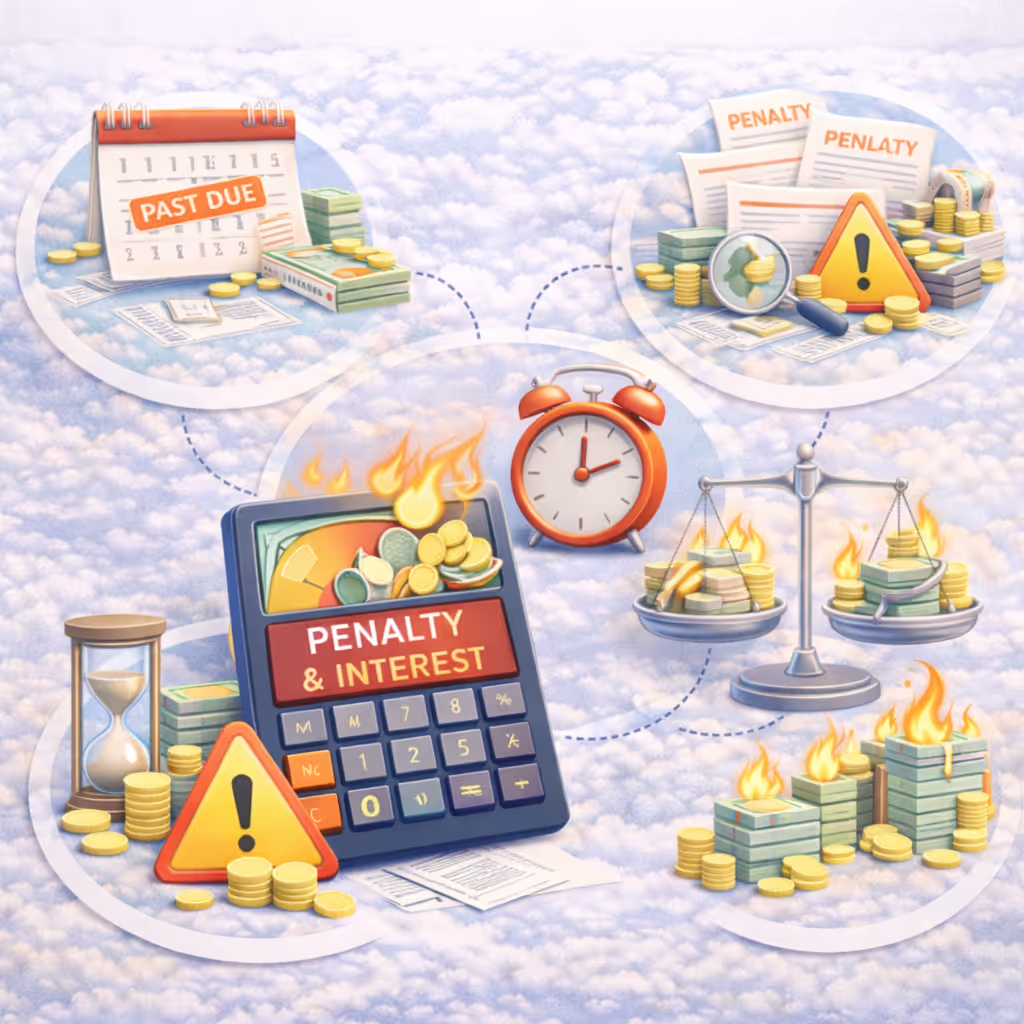
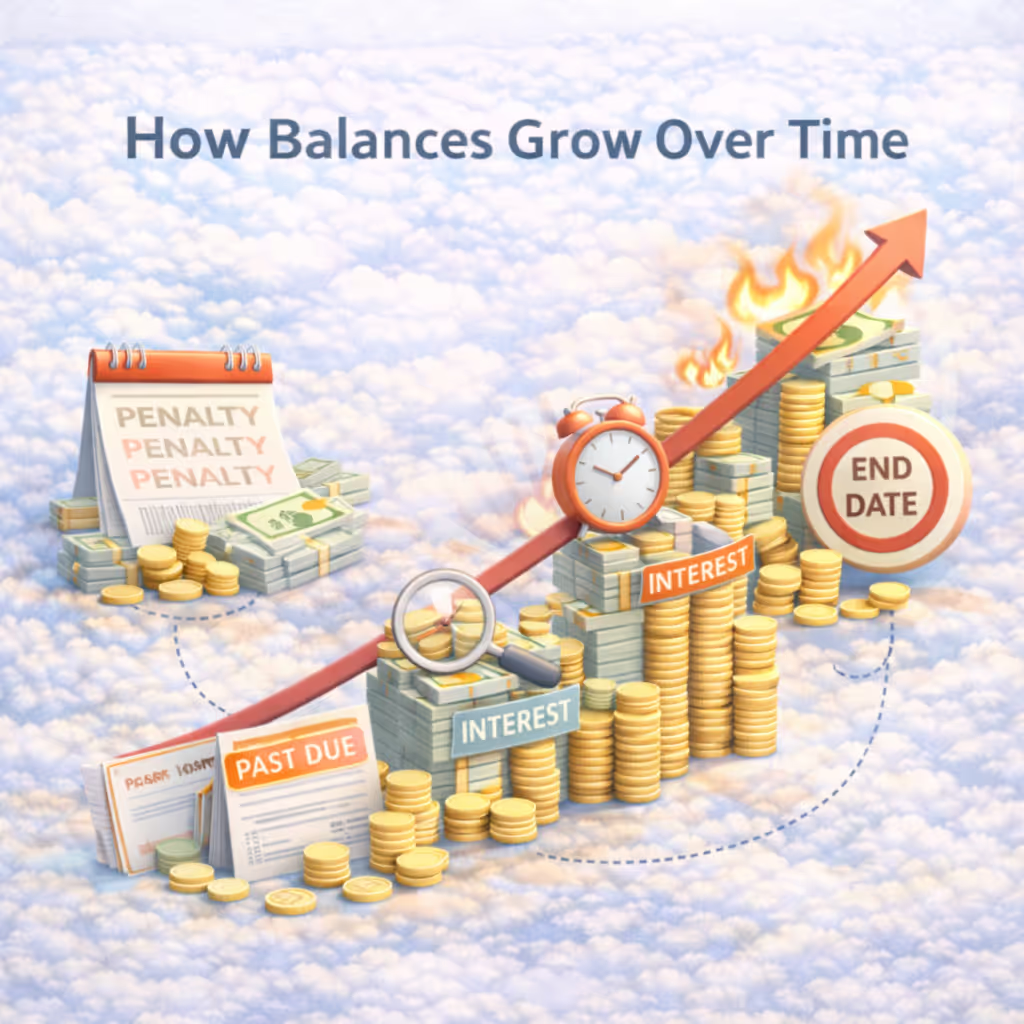
This means penalties and interest related to tax year 2019 may have been assessed under federal tax law once a liability existed, applying automatically regardless of the balance size or perceived urgency. Interest accrued continuously on both unpaid tax and assessed penalties at standard IRS rates, often increasing balances steadily without obvious warning signs. As a result, unresolved 2019 balances frequently carry significant weight in later account reviews because they reflect uninterrupted accrual under normal conditions.
Many taxpayers filed a tax return using Form 1040, relied on standard tax preparation methods, and applied familiar tax laws related to filing status, the standard deduction, and available tax credits, such as the Child Tax Credit or the Earned Income Tax Credit. Nothing about the year suggested elevated risk.
That normalcy is exactly why unresolved 2019 balances often became costly.
Tax year 2019 operated under standard Internal Revenue Service procedures. When an income tax return or other income tax returns from this year were not fully resolved, penalties and interest began accruing automatically. Because there were no major disruptions, penalties and interest accumulated quietly but consistently.


If your results show meaningful wage garnishment exposure, delaying action usually benefits the IRS — not you.
Understanding your numbers early helps you make informed decisions before each paycheck is affected.