IRS Penalties & Interest Calculator — Tax Year 2017
Why your 2017 tax balance may feel more serious than earlier years
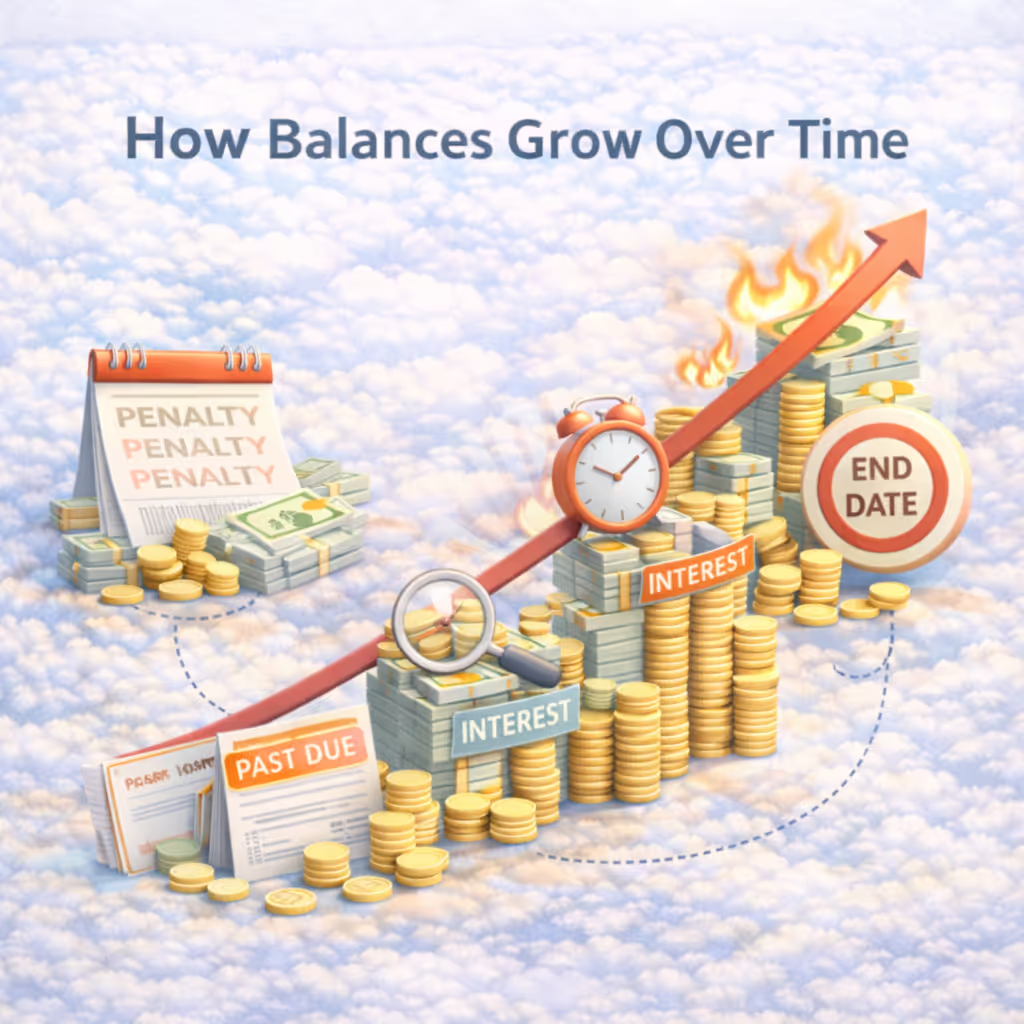
If you owed unpaid taxes for tax year 2017, this year often feels different from those before it. Many taxpayers describe 2017 as the point at which an IRS balance stopped feeling theoretical and became structurally positioned for enforcement, even when no levy or wage garnishment occurred right away. This IRS Penalties & Interest Calculator estimates how penalties and interest may have affected your 2017 balance, and why this year often plays a decisive role in the IRS's evaluation of collection options.
Takes about 60–90 seconds
No Social Security Number required
Estimate only
.avif)