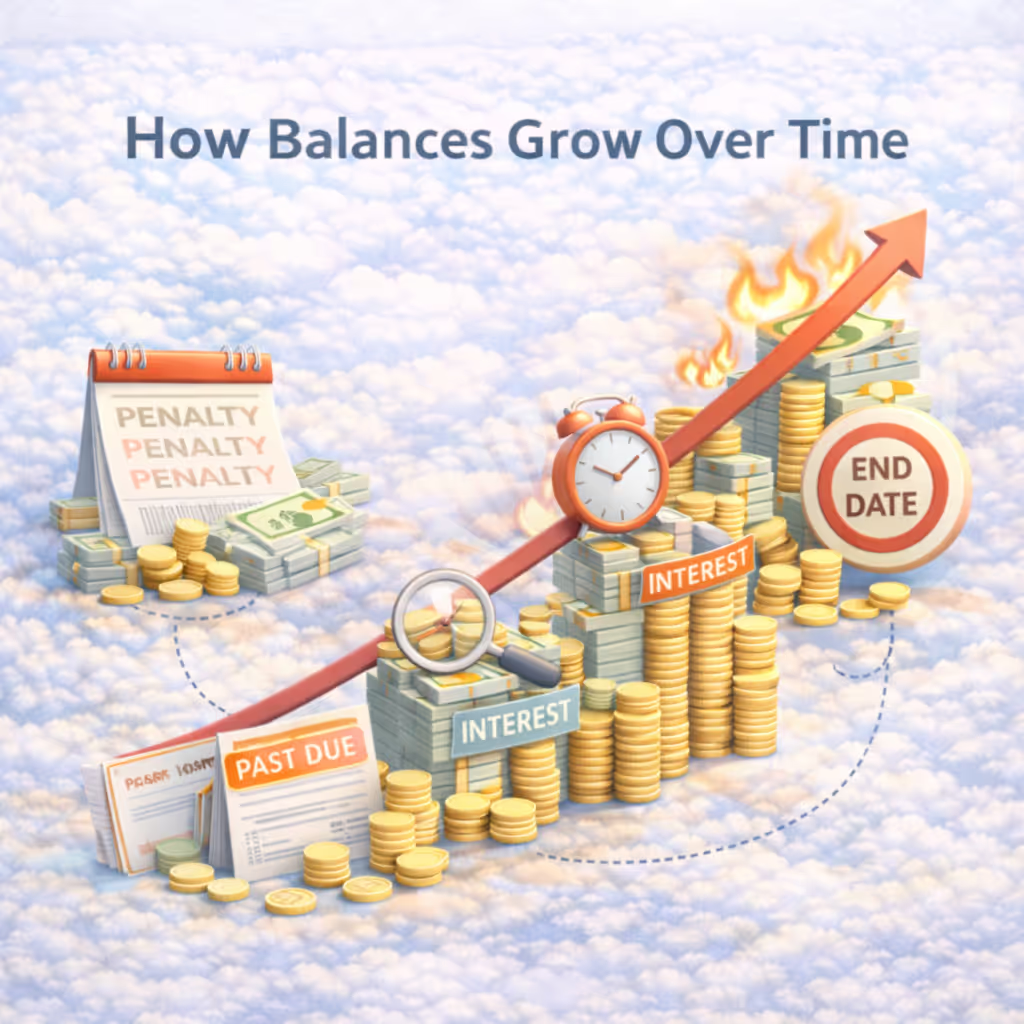
This means penalties and interest related to tax year 2016 may have been assessed under federal tax law once an unpaid balance existed, applying automatically regardless of filing method or intent. Interest accrued on both unpaid tax and assessed penalties at IRS rates tied to the federal short-term rate, often increasing balances steadily even without active enforcement. As a result, unresolved 2016 balances are typically well-documented and defensible in later IRS reviews, which can strengthen enforcement considerations.
Many taxpayers describe 2016 balances as methodical rather than chaotic, with interest and penalties applied cleanly and consistently. The 2016 tax year aligns with a period when IRS systems applied penalties and interest with fewer administrative delays. Penalties were assessed according to the rule, IRS interest accrued predictably, and balances grew steadily when left unresolved.


If your results show meaningful wage garnishment exposure, delaying action usually benefits the IRS — not you.
Understanding your numbers early helps you make informed decisions before each paycheck is affected.