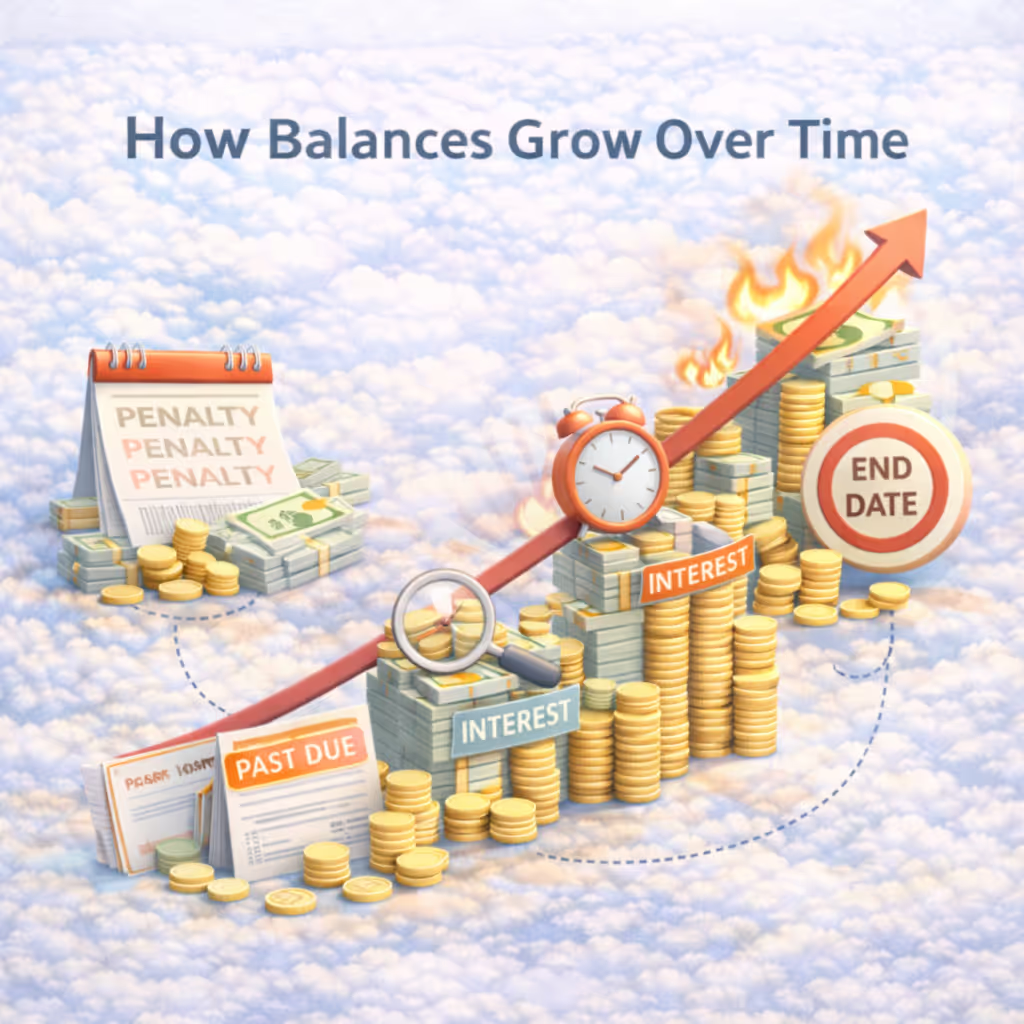
This means that if a balance remained unpaid for tax year 2013, penalties and interest may have been assessed automatically once the return showed a balance due, with interest continuing to accrue regardless of IRS notices or correspondence. While escalating letters often created urgency without immediate enforcement, interest and penalties continued accumulating internally under standard IRS procedures, increasing the total balance over time.
Tax year 2013 often marks a transition from quiet accumulation to escalation. Earlier fiscal years may have faded into the background, but 2013 is when unpaid individual income taxes began appearing in stronger IRS notice language, while penalties and interest continued to accumulate quietly under the Internal Revenue Code. This combination makes 2013 a year that still carries weight when accounts are reviewed later. This page and calculator explain why 2013 balances are often tied to escalation, how penalties and interest continued growing after notices slowed, and why this year still affects enforcement decisions long after the original federal income tax return was filed.


If your results show meaningful wage garnishment exposure, delaying action usually benefits the IRS — not you.
Understanding your numbers early helps you make informed decisions before each paycheck is affected.