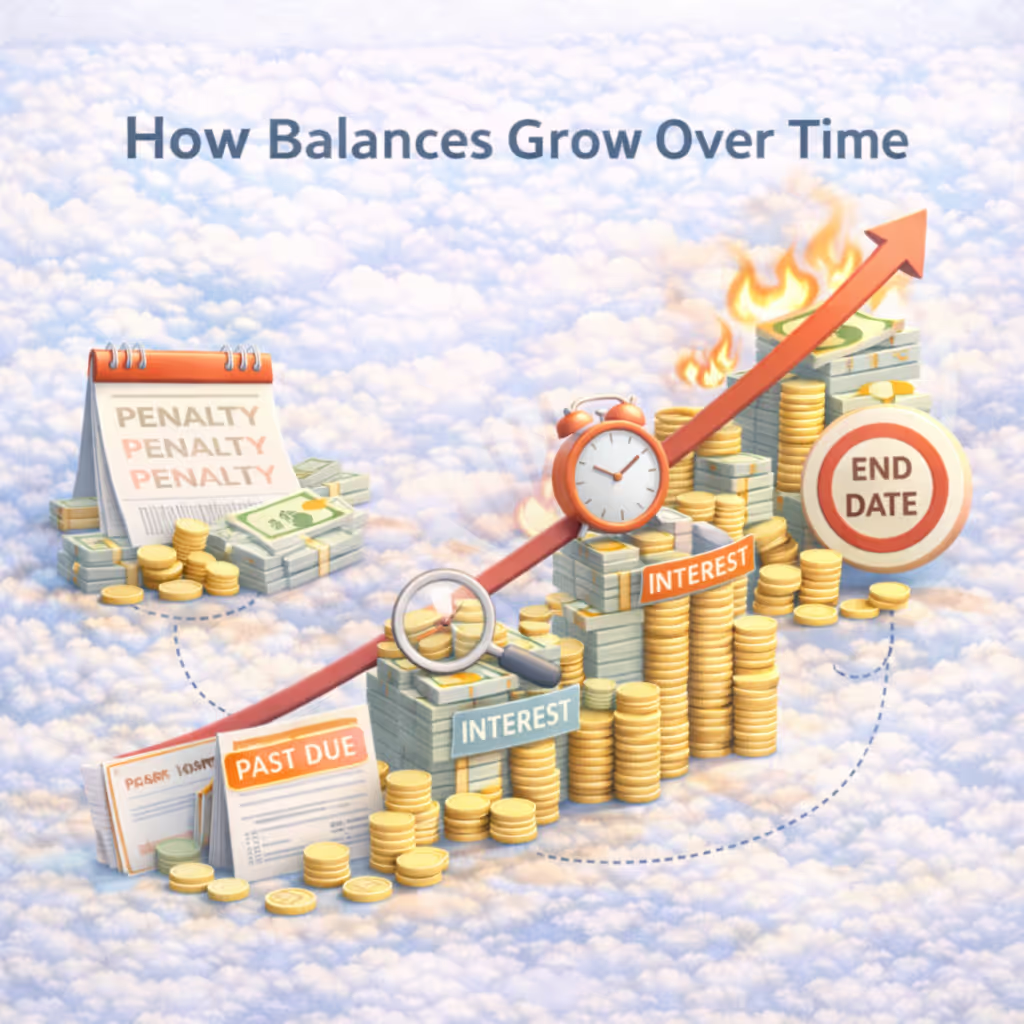
This means that if a balance remained unpaid after the original due date for tax year 2011, penalties and interest may still be part of the account today, even if the return was filed. Interest and penalties continue when the full balance is not paid by the due date, and later actions such as partial payments, payment plans, or other requests can pause or extend collection timelines, allowing additional accrual.
The 2011 tax year sits in a gray zone. It is old enough that people expect it to be irrelevant, but not old enough to be automatically dismissed. Confusion about IRS collection timelines, filing delays, estimated tax issues, and prior account activity often leads taxpayers to make incorrect assumptions about whether a 2011 balance still matters. This page and calculator explain how penalties and interest affect 2011 balances, why many of those balances remain active, and what factors determine whether collection action is still possible. This is not an official IRS payoff tool, but it can help clarify risk and decision-making for individuals, business owners, and those reviewing older tax exposure.


If your results show meaningful wage garnishment exposure, delaying action usually benefits the IRS — not you.
Understanding your numbers early helps you make informed decisions before each paycheck is affected.