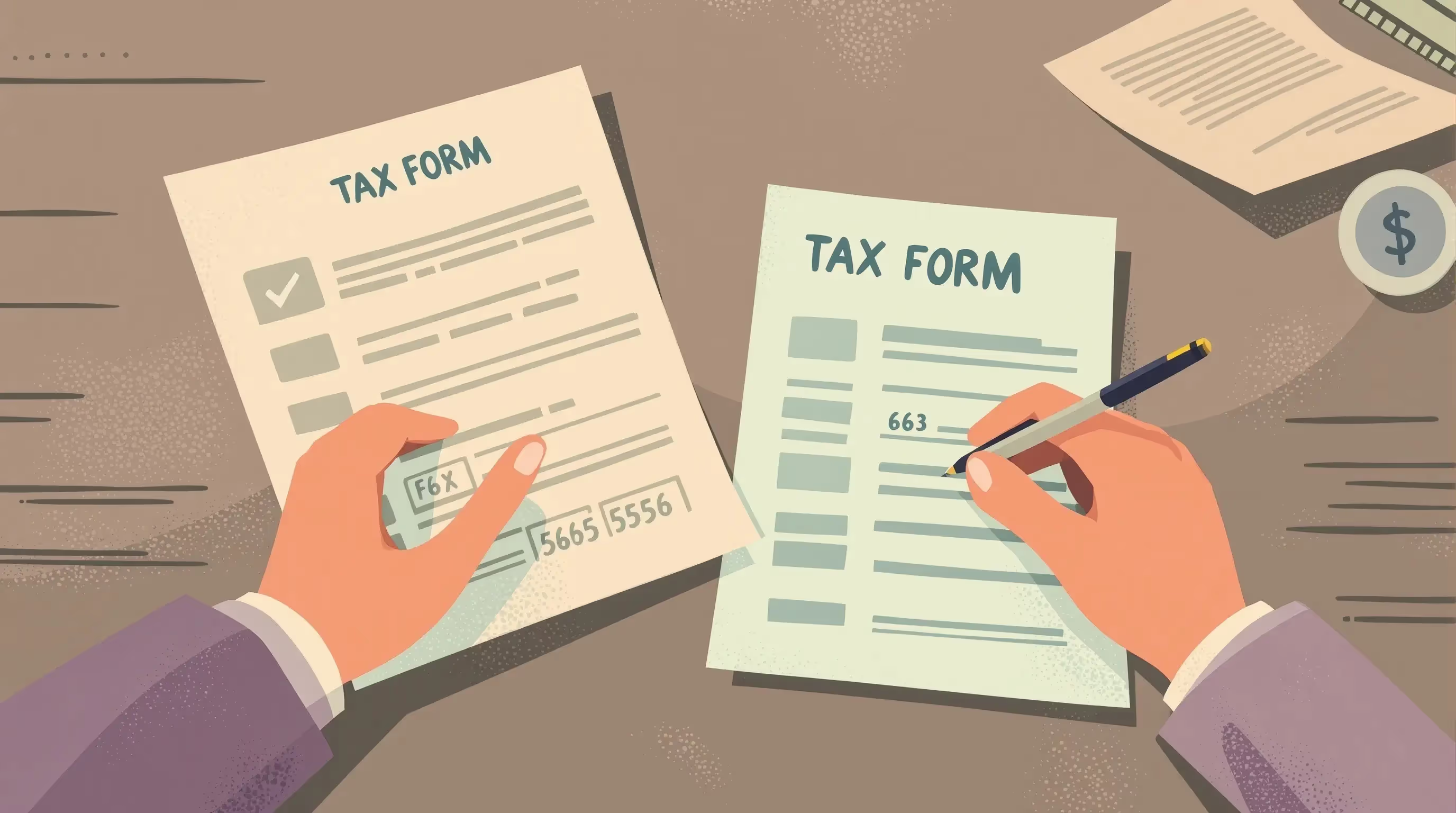
Para qué sirve el formulario 433-A (OIC)
El formulario 433-A (OIC) 2025 es la declaración oficial de información de recopilación del IRS que se utiliza para evaluar la capacidad de un contribuyente de pagar a través del programa Offer in Compromise. Exige una declaración financiera completa, que incluya los ingresos, los gastos del hogar y los activos personales, como las cuentas bancarias y los estados de cuenta de jubilación. El IRS revisa esta información financiera para determinar si un contribuyente reúne los requisitos para recibir una desgravación tributaria mediante opciones de pago único o mensual.
Este formulario tributario se aplica a los asalariados, las personas que trabajan por cuenta propia y los propietarios de pequeñas empresas que adeudan un saldo restante y buscan una plan de pago estructurado. Proporcionar información precisa sobre el empleo, los ingresos del hogar y los activos personales permite al IRS evaluar las opciones de pago razonables y decidir si la oferta se ajusta a las dificultades financieras del contribuyente.
Aprenda a completar su formularios de desgravación y recaudación de impuestos correctamente para evitar demoras.
Cuándo utilizaría el formulario 433-A (OIC)
Los contribuyentes que enfrentan una deuda tributaria continua a menudo usan el formulario 433-A (OIC) para demostrar sus dificultades financieras y solicitar un alivio mediante una oferta de compromiso. Este formulario del IRS ayuda a determinar si un contribuyente reúne los requisitos para una liquidación reducida o un plan de pago estructurado en función de su capacidad financiera actual. Se aplica tanto a los asalariados como a las personas que trabajan por cuenta propia que buscan una solución manejable a sus obligaciones tributarias.
Elegibilidad y propósito
El IRS evalúa el formulario para confirmar si usted reúne los requisitos para una oferta de compromiso u otro plan de pago. La presentación de informes precisos sobre los ingresos, los gastos comerciales y los activos permite al IRS evaluar su capacidad de pago.
Condiciones de presentación
Debe completar el formulario 433-A (OIC) cuando adeude más de lo que puede pagar, si exige un acuerdo de pago parcial a plazos o si necesita demostrar que cumple con las normas de presentación y pago.
Reglas o detalles clave para 2025
El formulario 433-A (OIC) de 2025 sigue las pautas específicas del IRS que determinan si una solicitud de oferta de compromiso es elegible para su revisión. Cada regla garantiza que los contribuyentes proporcionen información financiera transparente y verificable al IRS antes de que este evalúe su capacidad de pago.
- Cuota de solicitud y pago inicial: Cada presentación requiere una cuota de solicitud de 205$ y un pago inicial no reembolsable, a menos que el solicitante reúna los requisitos para obtener la certificación de bajos ingresos.
- Divulgación financiera: Los solicitantes deben revelar todos los ingresos del hogar, las cuentas bancarias, las cuentas de jubilación y la información comercial, así como cualquier otro activo personal y pólizas de seguro de vida.
- Estándares de gastos: El IRS aplica límites de gastos de manutención nacionales y locales para controlar las reclamaciones excesivas.
- Cumplimiento de cinco años: Una vez que el IRS acepta una oferta, el contribuyente debe presentar y pagar todos los impuestos a tiempo durante cinco años consecutivos.
Paso a paso (nivel alto)
Completar el formulario 433-A (OIC) implica varios pasos estructurados que ayudan al IRS a evaluar su divulgación financiera con precisión. Cada etapa garantiza que su solicitud cumpla con los estándares actuales de la oferta de compromiso y, al mismo tiempo, refleje sus verdaderas dificultades financieras. El suministro de datos precisos respalda la consideración justa de los planes de pago, los pagos mensuales o la liquidación de una suma global.
- Paso 1: Confirmar la elegibilidad
Use la herramienta de precalificación de ofertas en compromiso del IRS para confirmar si el contribuyente califica para el programa de ofertas en compromiso. Asegúrese de presentar todas las declaraciones de impuestos requeridas y de que los pagos estimados estén actualizados. - Paso 2: Reunir documentación
Recopile comprobantes de ingresos, cuentas bancarias, gastos comerciales, estados de cuentas de jubilación y otros activos personales. Mantenga todos los registros financieros en un formato organizado para una revisión precisa del IRS. - Paso 3: Complete el formulario
Introduzca con precisión la información de empleo, los ingresos mensuales, los gastos de manutención y la información de la empresa unipersonal. Verifique que todos los datos financieros coincidan claramente con la documentación de respaldo proporcionada. - Paso 4: Envía tu paquete
Adjunte todos los documentos de respaldo, designe los pagos correctamente y envíe su solicitud completa por correo o a su cuenta en línea del IRS para su procesamiento oportuno.
Errores comunes y cómo evitarlos
La presentación del formulario 433-A (OIC) exige precisión y coherencia. Los errores suelen ocurrir cuando los contribuyentes pasan por alto la información financiera o no cumplen con los requisitos de una oferta de compromiso. Comprender estos problemas y aplicar las medidas correctivas ayuda a garantizar que su presentación se mantenga completa y cumpla con los requisitos.
- Divulgación financiera incompleta: Los contribuyentes deben enumerar todas las cuentas bancarias, la información comercial y los activos personales, incluidos los estados de cuenta completos de todas las cuentas de jubilación y la documentación de los ingresos del hogar.
- Gastos inflados o no permitidos: Los contribuyentes deben cumplir con las normas nacionales y locales del IRS sobre gastos de manutención para evitar el rechazo.
- Pagos estimados atrasados: Los contribuyentes deben hacer todos los pagos estimados requeridos antes de enviar el formulario para mantener la elegibilidad.
- Documentos de respaldo faltantes: Los solicitantes deben adjuntar talones de pago, límites de crédito, pólizas de seguro de vida y otros comprobantes para respaldar cada reclamación financiera.
Qué sucede después de presentar la solicitud
La presentación del formulario 433-A (OIC) inicia el proceso de evaluación del IRS. La agencia revisa su información financiera, que incluye sus ingresos, cuentas bancarias, bienes personales y gastos de manutención mensuales. Durante este período, la mayoría de las actividades de cobro se detienen, aunque se siguen acumulando intereses y multas sobre el saldo restante. La revisión puede tardar varios meses, según la complejidad del caso y la integridad de la documentación acreditativa.
Su oferta comprometida puede aceptarse, rechazarse o devolverse si falta información. Si el IRS acepta su oferta, debe cumplir con los requisitos de presentación y pago durante un período de cinco años. Las solicitudes rechazadas se pueden apelar a través de la Oficina de Apelaciones Independiente del IRS.
Preguntas frecuentes
¿Cuál es el propósito del formulario 433-A (OIC)?
El formulario 433-A (OIC) sirve como la declaración de información de cobro del IRS que se utiliza para evaluar la capacidad de pago de un contribuyente. Reúne información financiera, como los ingresos, los gastos de manutención y los bienes personales, para determinar si un contribuyente reúne los requisitos para recibir una oferta de compromiso u otro plan de pago. Los asalariados y las personas que trabajan por cuenta propia deben presentar una declaración financiera completa para garantizar una evaluación precisa.
¿Puedo calificar para la desgravación fiscal si tengo dificultades financieras?
Los contribuyentes que enfrentan dificultades financieras importantes pueden calificar para una oferta de compromiso si no pueden pagar su deuda tributaria en su totalidad. El IRS evalúa los ingresos del hogar, los gastos comerciales mensuales y otros bienes personales al evaluar la elegibilidad. La documentación de respaldo, como los estados de cuenta de jubilación y los estados de cuenta bancarios, refuerza su argumento.
¿Cómo evalúa el IRS mi solicitud de oferta de compromiso?
El IRS evalúa cada oferta de compromiso comparando los ingresos, la información laboral y los gastos mensuales comparándolos con la obligación tributaria total. Un oficial de ingresos puede solicitar documentos de respaldo, como talones de pago, detalles de la póliza de seguro de vida o información comercial. El proceso de evaluación puede llevar varios meses, según la complejidad de su situación financiera.
¿Qué ocurre si mi oferta es aceptada o rechazada?
Si el IRS acepta su oferta, debe cumplir con las declaraciones y pagos de impuestos durante un período de cinco años. Las ofertas rechazadas pueden apelarse a través de la Oficina Independiente del IRS dentro del período de apelación. Los contribuyentes cuya situación laboral o ingresos cambien pueden solicitar una reconsideración con una declaración financiera actualizada.
¿Debo contratar a un profesional de impuestos o a un abogado tributario para que me ayude?
Un profesional de impuestos o un abogado tributario calificado pueden ayudarlo a completar el formulario 433 del IRS con precisión y evitar demoras. Se aseguran de que su documentación financiera, como los ingresos brutos y los gastos comerciales, cumpla con los requisitos del IRS. La orientación profesional también ayuda a aclarar las opciones de pago, como las sumas globales, los pagos mensuales bajos o los acuerdos de pago a plazos en el marco del programa de compromiso.